PRP and Exosomes Together: What the Combination Adds for Your Hair
Why combine PRP and exosomes in one hair protocol, how the session goes, and our programs that bring both together.

Hair PRP works best on recent or moderate loss, while the follicles are still alive. How to tell where you stand.
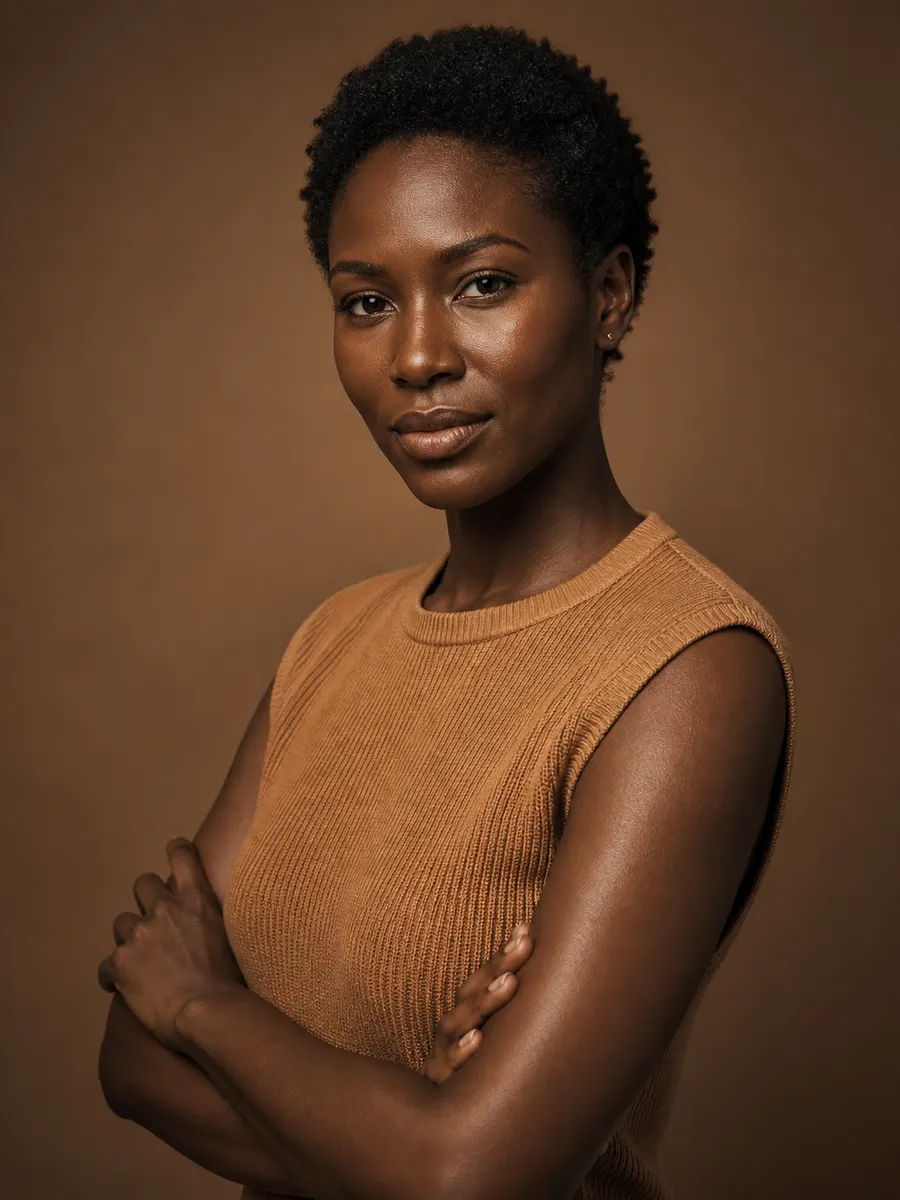
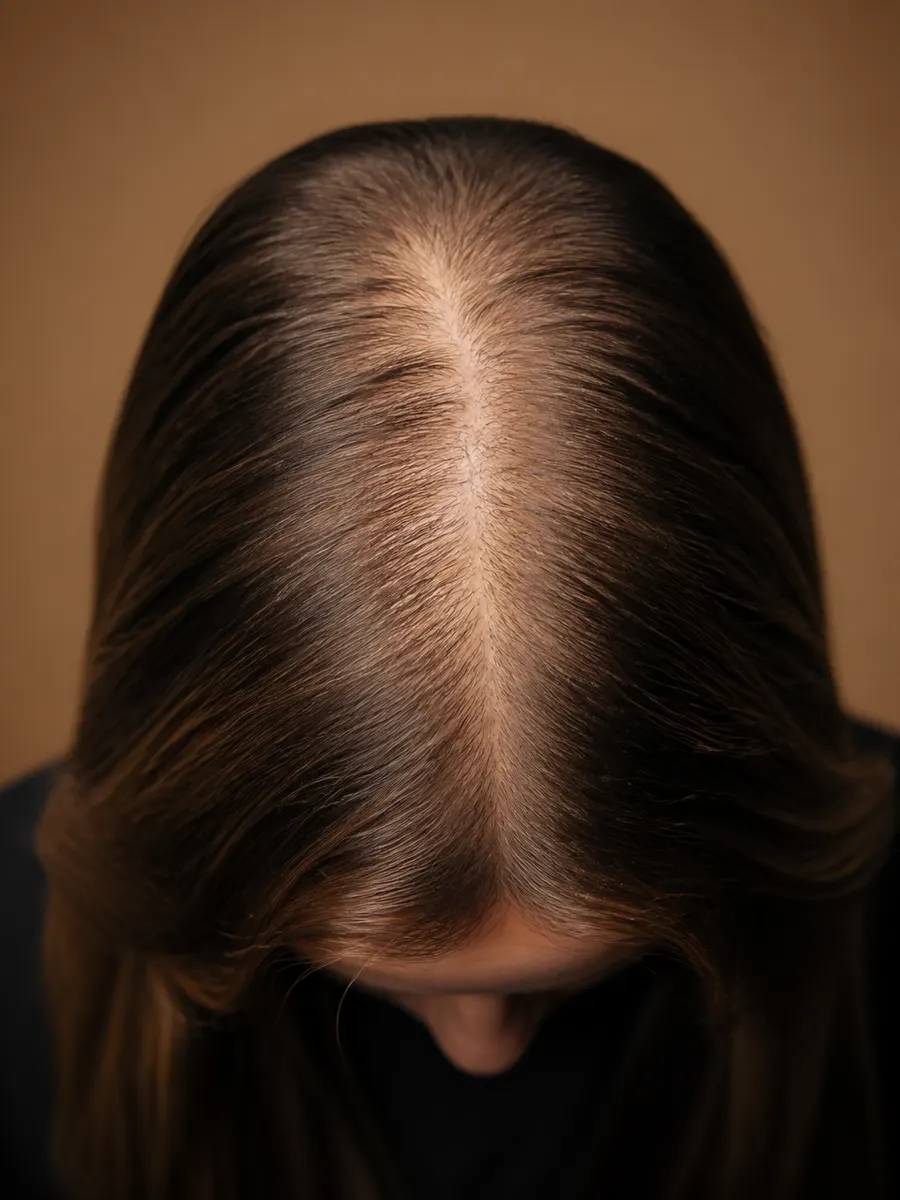
PRP gives its best results when hair loss is recent or moderate and the follicles are still alive. If your hair has started thinning recently, you're probably in the right window. If some areas have been completely bare for years, PRP alone won't be enough.
Maybe you look in the mirror and wonder whether you should have acted sooner, or whether it's your fault. No. Hair loss affects anyone, at any age, for reasons that almost never come down to willpower. No guilt needed.
Here we explain what a good PRP candidate looks like, the situations where we advise against it, and why it's better to come in early.
The best results are seen when loss is recent or moderate.
Recent loss, less than two or three years:
Moderate loss, at stages 1 to 3 on the Hamilton and Ludwig scales:
Why that window? PRP wakes dormant follicles and pushes back their miniaturization. So there need to be some left to wake.
Signs your follicles are still there:
Where PRP gives the best results:
In men:
In women:
People often think PRP is mostly for men. It suits women just as well, and they often respond very well.
Why:
For women, we first check iron, thyroid and hormones, because a follicle restarted without correcting the cause responds much less well. That's step 1 of our path for women.
What you notice:
What people close to you say:
What you live with:
Should you wait until it's more visible before coming in? No. A follicle that disappears doesn't come back, so we advise coming in as soon as you notice a change.
PRP uses your blood to restart your hair. The quality of your plasma therefore depends directly on your health.
Good-quality plasma contains:
What each habit contributes:
We figured, and that's the case for most people. PRP can still help you even if:
You just need to be willing to improve your habits a little during treatment. Nobody expects perfection.
On the blood side:
On the physiological side:
On the skin side:
Chronic conditions: poorly controlled diabetes, active autoimmune disease, uncontrolled hypertension, severe liver disease.
Medication: light anticoagulants, long-term corticosteroids, certain psychiatric treatments, chemotherapy in progress.
Habits: heavy smoking, problem drinking, severe chronic stress.
These lists aren't meant to be read alone at home. The nurse goes through them with you, with your list of medications in hand.
PRP isn't right if:
In those cases, we'll talk to you about:

Past 50, with long-standing loss, a thorough assessment is needed. Results are slower, but they exist, often by combining approaches.
If you smoke heavily, PRP loses effectiveness. Exosomes become a better option, since they don't depend on the quality of your blood.
With a stable chronic condition, like mild controlled diabetes or treated hypertension, PRP is often possible. The medical assessment remains essential.
With unmanaged chronic stress, effectiveness is limited. Sometimes we'll advise you to postpone treatment and work on something else first.
We'll tell you. We'd rather say no today than disappoint you in six months, and we'll explain where to turn:
We won't point you toward finasteride or minoxidil. It's not our approach: we'd rather bet early on your own follicles than on a drug taken every day, for life.
The longer you wait, the more you lose:
Acting early lets you:
Right now, if:
Without delay, if:
Your age, the type of loss, your health and your expectations all count. The whole picture determines whether PRP is right for you.
The scalp assessment includes the 3D skin analysis, at no charge, and ends with a clear answer: yes, no, or not yet. To place your case before coming in, start with our hair page.
Why combine PRP and exosomes in one hair protocol, how the session goes, and our programs that bring both together.

Hair PRP concentrates the growth factors in your platelets and places them back into the scalp to wake follicles that are still alive.

It depends mostly on the stage of the loss. What studies show on hair PRP, who it works best for, and when it isn't enough.
The best plan starts with an assessment. We look at your skin and answer your questions, no obligation.

Hi, I am Stella. Ask me about a treatment, a price or the clinic, and I will point you to the right place.
Stella answers from the site. She does not diagnose and does not book. The conversation stays 24 hours on this device, and the clinic keeps a copy.