


Tighten or Fill? Radiofrequency vs Filler, and How to Tell Which Your Face Needs
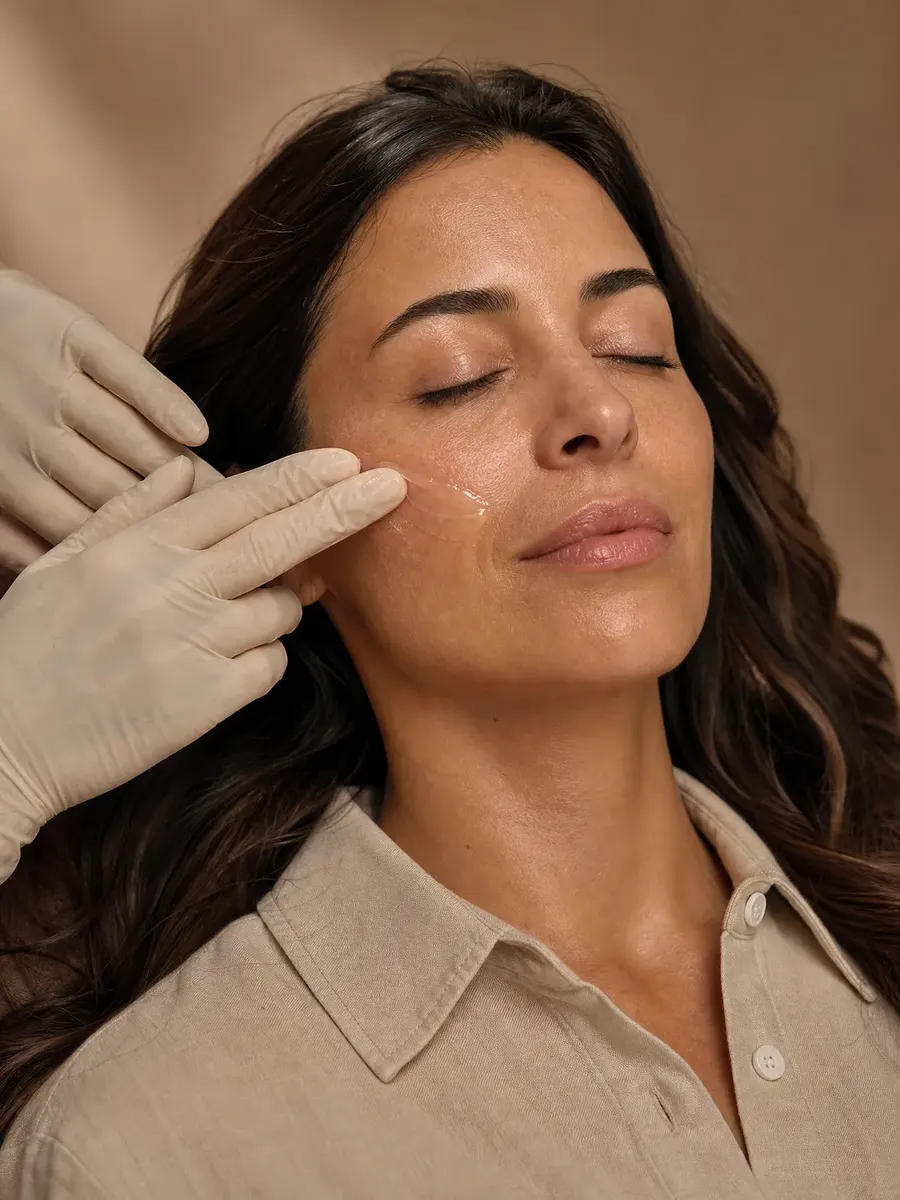
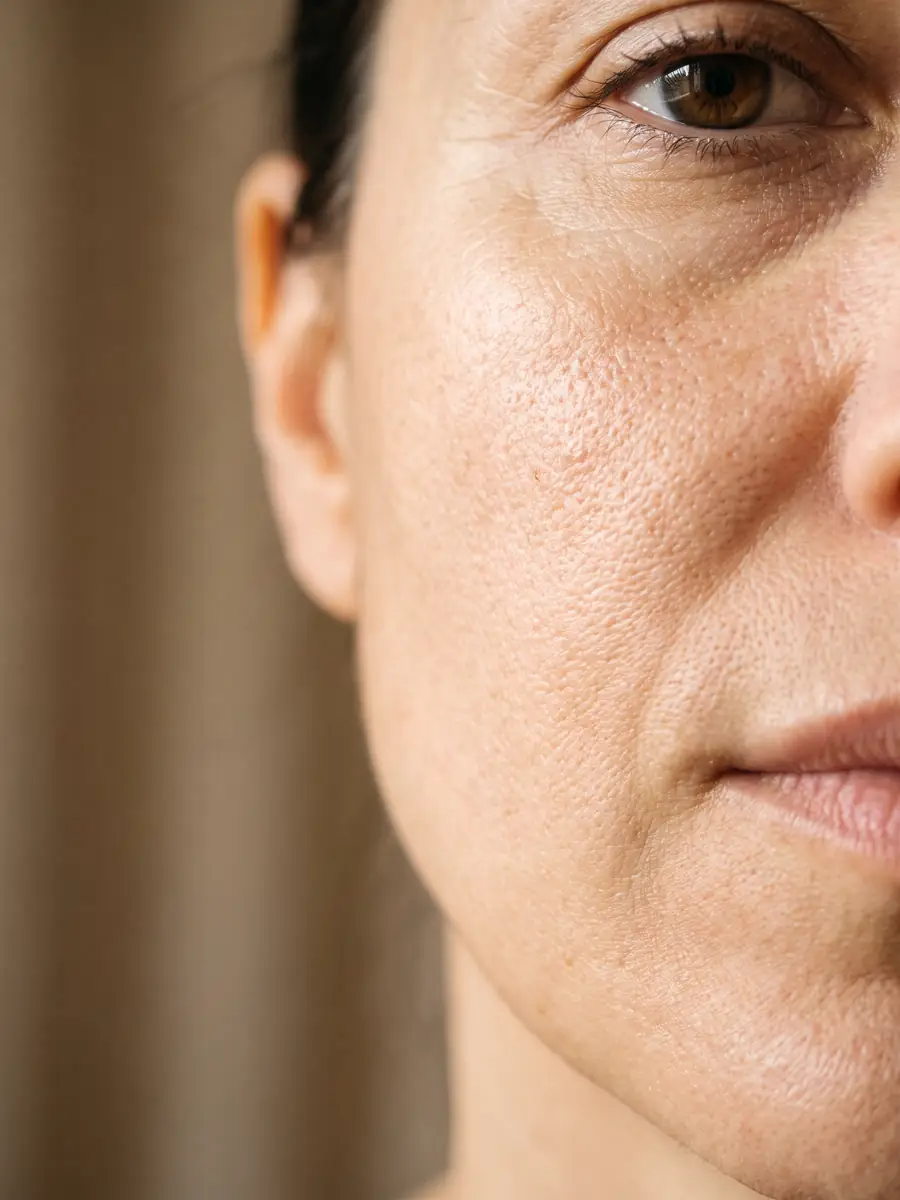
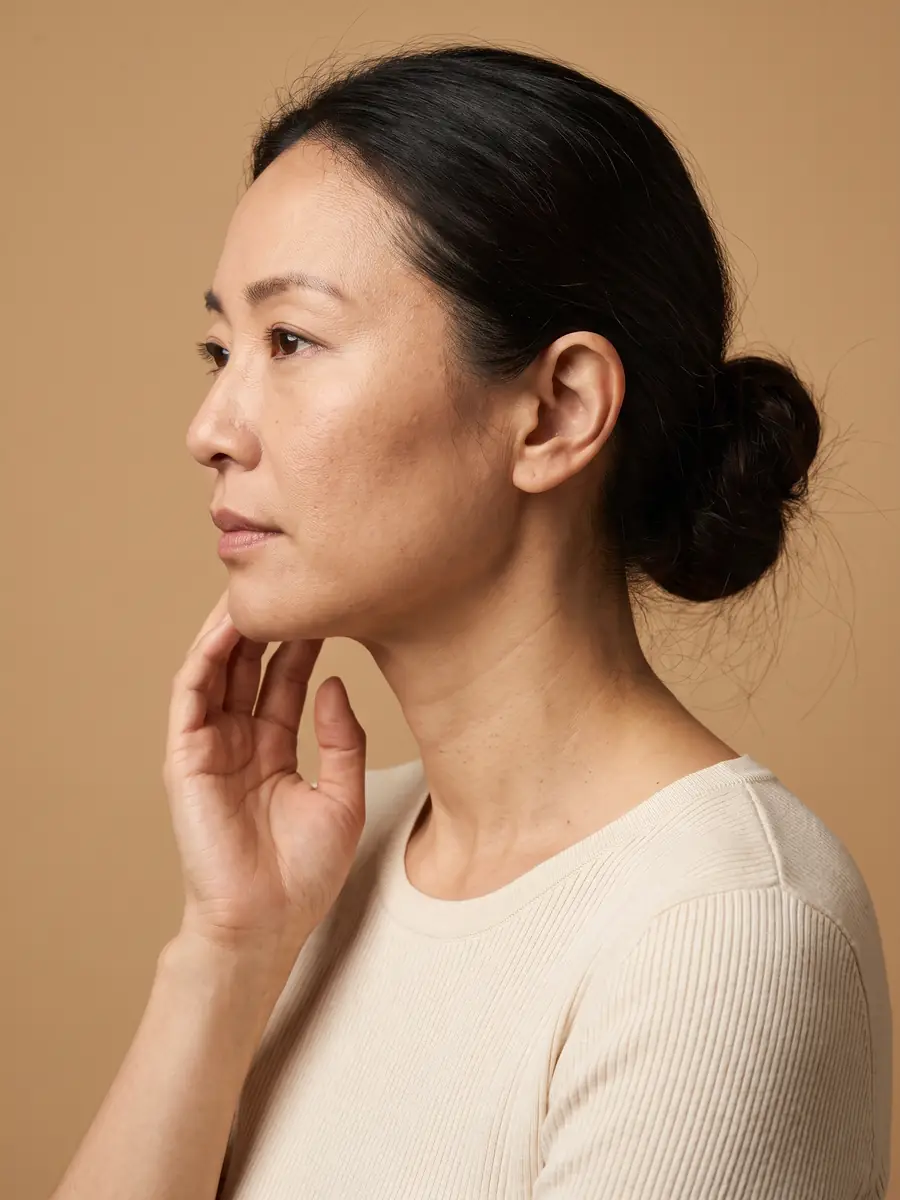
Radiofrequency or hyaluronic acid? Skin that has loosened and a face that has hollowed do not call for the same procedure. What each does, and what it does not.

Which treatment suits me? Which technology is best? Is this right for my age? You have already asked yourself these. The guide answers them, decade by decade, with the price of every treatment so you can compare before you pay.
The guide gives you the map. The articles below go into the detail, one subject at a time.

Hi, I am Stella. Ask me about a treatment, a price or the clinic, and I will point you to the right place.
Stella answers from the site. She does not diagnose and does not book. The conversation stays 24 hours on this device, and the clinic keeps a copy.
62 articles

Radiofrequency or hyaluronic acid? Skin that has loosened and a face that has hollowed do not call for the same procedure. What each does, and what it does not.

Tightening the neck without surgery: what XERF radiofrequency does to neck skin, and what needs something else, like vertical cords under the chin.

How long XERF radiofrequency results last: what the clinic and the Cleveland Clinic say, and how the yearly upkeep session helps keep the result.

Face laser before the holidays: how many weeks before December to start, what redness to expect, and how to count back from your first party.

Does facial radiofrequency hurt? What the XERF manufacturer says about comfort, what is particular about heat, and what we tell you up front.

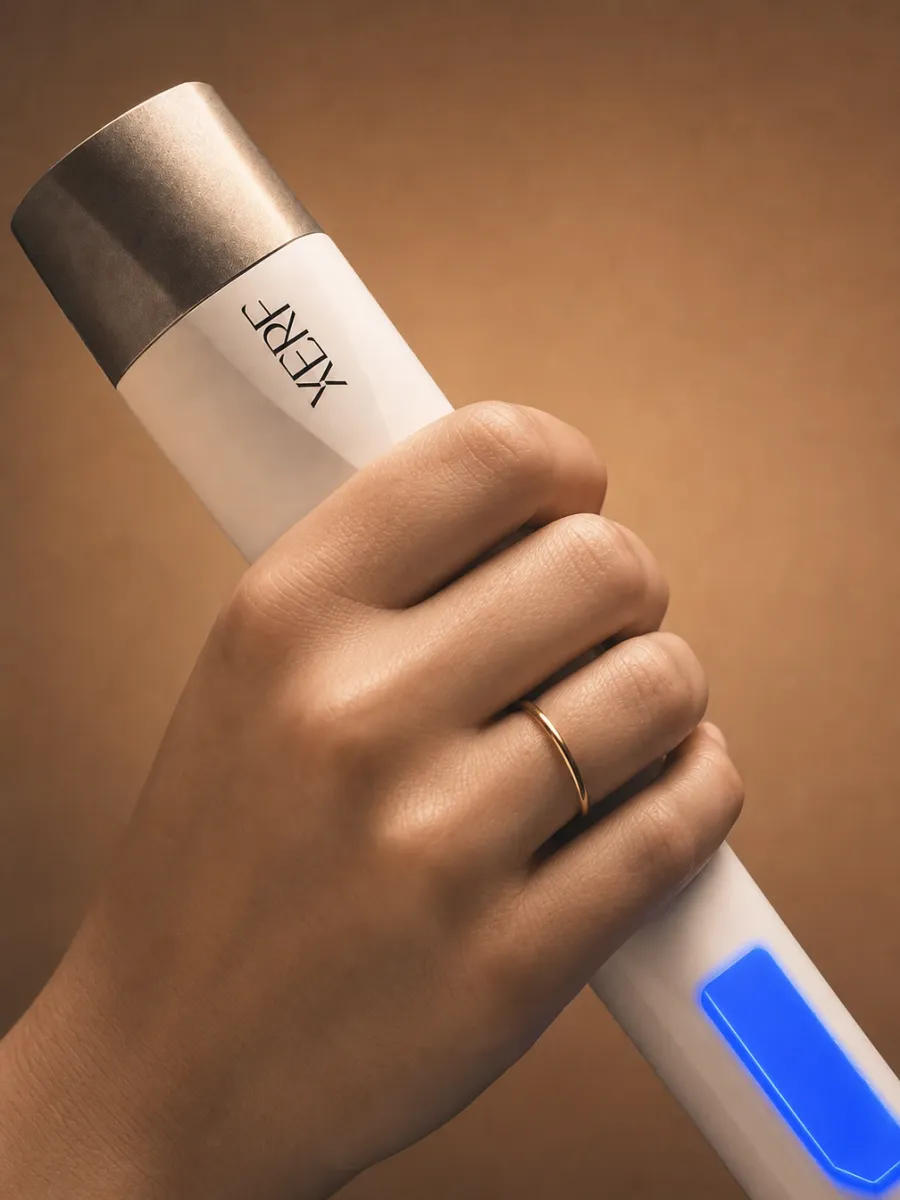
XERF radiofrequency firms without injecting anything: no muscle blocked, no volume added. What changes on your face, and what stays exactly as it is.

Too early, too late or right on time: how to tell whether facial radiofrequency suits you, and when only surgery answers.

What heat, light and ultrasound can tighten without injecting anything, what none of them does, and how to tell whether you are a good candidate.

Needle-free radiofrequency firms the jawline and neck; microneedling radiofrequency rebuilds skin texture. How to tell which one is for you.

Both prick the skin with fine needles, only one adds heat in the dermis. Which to choose for grain, pores, scarring or looseness, and where to start.

Five things to check before trusting a medical aesthetics clinic with your face. 2027 Consumer Choice Award, best aesthetics clinic in Laval.

One clinic says one session, another says eight, and both can be right. It depends on the type of radiofrequency. Our schedule for XERF.

Fractional laser works on the surface of the skin, radiofrequency on its support. How to tell which one answers what bothers you, and in what order.

Choosing a XERF clinic in Laval: what you can check before you book, from a price stated up front to the team that performs it.

HIFU concentrates heat into points, radiofrequency spreads it through a volume. What that changes during the session, and who each one is for.

Radiofrequency tightens skin that has lost its spring, but it doesn't remove skin. The signs that a surgical facelift is still the better option.

After years of neuromodulator, the product doesn’t build up and the effect stays reversible. The myths, and Health Canada’s safety benchmarks.

With us, filler starts from $325 for a half syringe, taxes extra. What drives the price, and what each amount covers.

Under the eye, it all depends on the type of line: there at rest, or only when you smile. A mirror test is often enough to tell.

What the neuromodulator can and can’t do, what keeps it safe, and how to keep a natural result instead of a frozen face.

The neuromodulator relaxes movement, filler restores volume. How we choose with you, without selling you both by reflex.

XERF radiofrequency firms mild to moderate laxity, with no needles. How it works, and when a facelift is still the better option.

How a neuromodulator works, the difference between Botox and Dysport, the right time to start, and why a frozen look comes from dosing.

Temples receding in your twenties? What the AAD says, what changes depending on the stage, and how DC Prime works while the follicle still responds.

Hair that falls out after childbirth usually grows back by itself. When to worry, what we check, and what DC Bloom can do if it doesn't.

Why combine PRP and exosomes in one hair protocol, how the session goes, and our programs that bring both together.

Hair PRP concentrates the growth factors in your platelets and places them back into the scalp to wake follicles that are still alive.

It depends mostly on the stage of the loss. What studies show on hair PRP, who it works best for, and when it isn't enough.

PRP comes from your blood, exosomes skip the blood draw. What sets them apart, what studies say, and how we choose with you.

Hair PRP works best on recent or moderate loss, while the follicles are still alive. How to tell where you stand.

A hair PRP session at Clinique DC takes 30 to 45 minutes. What happens at each step, from the blood draw to the aftercare instructions.

Hair PRP hurts very little: 2 to 4 out of 10 for most people. What you feel, numbing cream, and the days that follow.

The situations where we postpone or decline hair PRP, what we check at the assessment, and what we offer instead, such as exosomes.

Plan for 3 to 4 close sessions to kick-start regrowth, then about one maintenance session a year. Why a single session isn't enough.

Without maintenance, the gain from hair PRP holds 12 to 18 months, then fades. One session a year is usually enough to keep it. Here is why.

The price of a hair PRP session with us, our programs, and why prices vary from one clinic to another. Taxes extra.

First we rule out a correctable cause like low iron, then prepare your body around the sessions. What helps your PRP, and what holds it back.

Shedding slows by 4 to 8 weeks, new hairs show around 3 months, density peaks between 6 and 12 months. The timeline, step by step.

Exosomes are tiny cellular messengers. How they act on your follicles, explained in plain language and with no promise of results.

Exosomes for hair loss: what the early data shows, and what it doesn't show yet about effectiveness.

So far, the safety profile of hair exosomes is reassuring. Where the product comes from, possible effects, and what is not known yet.

No, most people tolerate it well. What you feel during the session, and why there’s no blood draw involved.

Hair exosomes: gradual changes over several months, hair that looks thicker, results that vary. Why it takes this long.

What we see in clinic: hair exosome gains hold for roughly a year, then fade gently without maintenance.

Exosomes for hair loss: a starter series of 4 sessions, then maintenance. The rhythm to follow, and why regularity matters.

Yes, combining exosomes, PRP and the LaseMD Ultra laser can improve the look of your hair (results vary). What each one brings, and how we choose the right mix for you.

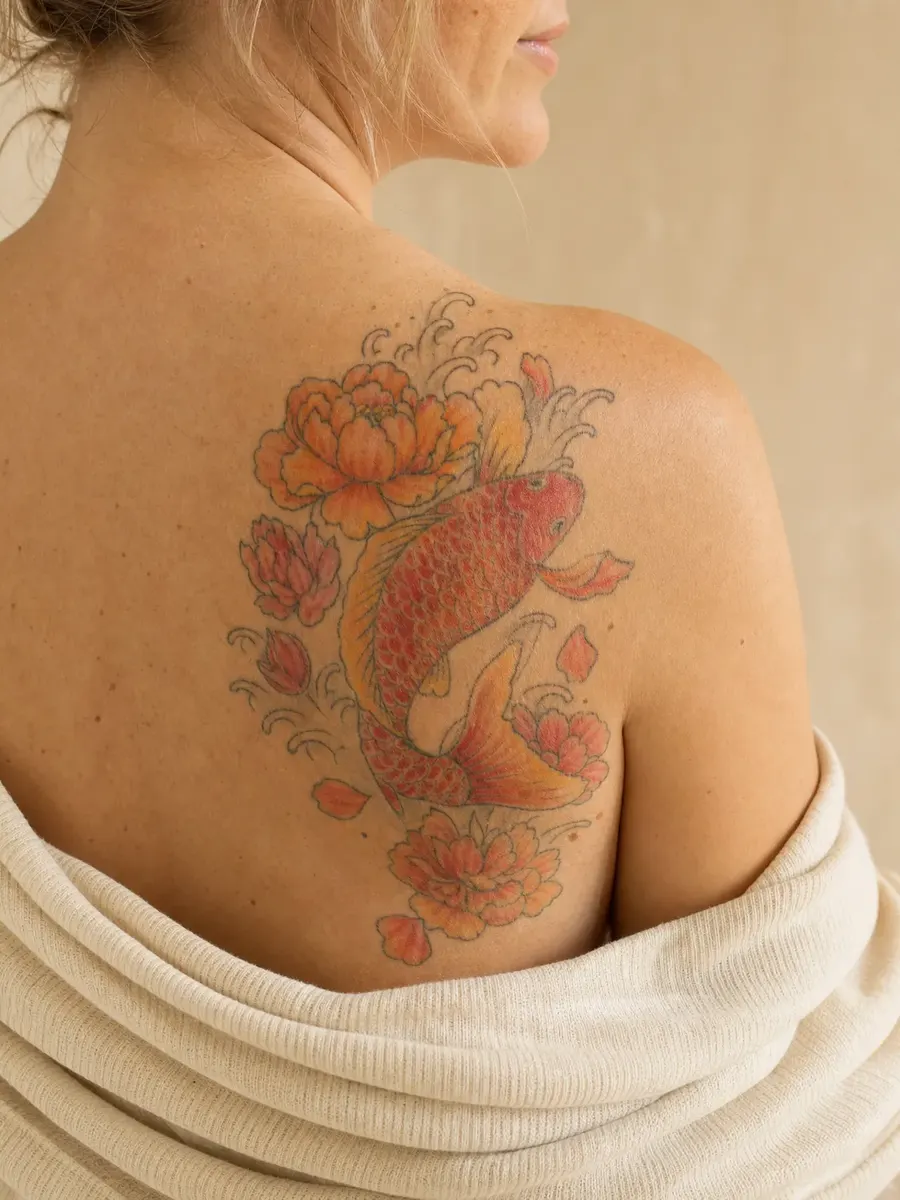
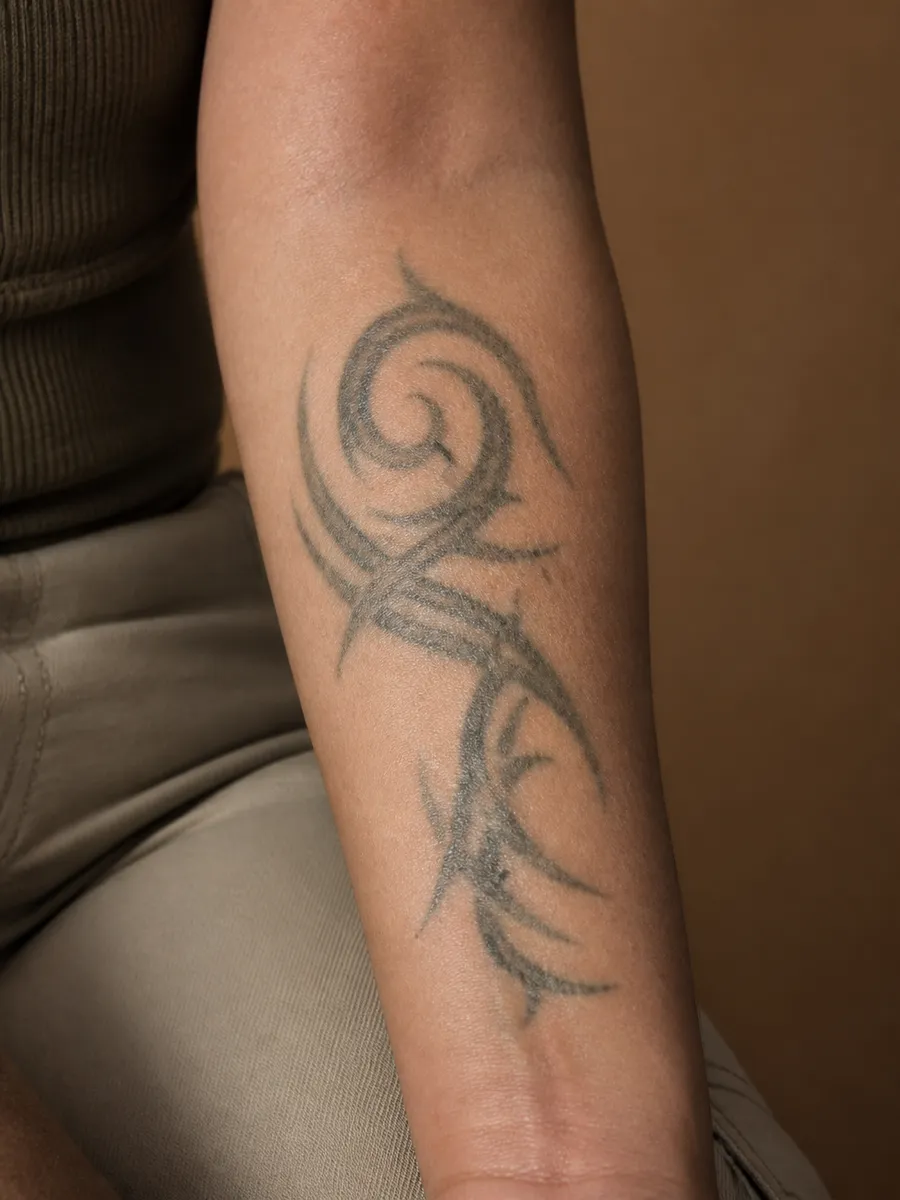
Laser before a cover-up gives the new design more room. How many sessions to aim for, what we don't promise, and what to tell your tattoo artist.

Regret a brand-new tattoo? Why we wait for the skin to heal before the first laser session, and how the date is set at your assessment.

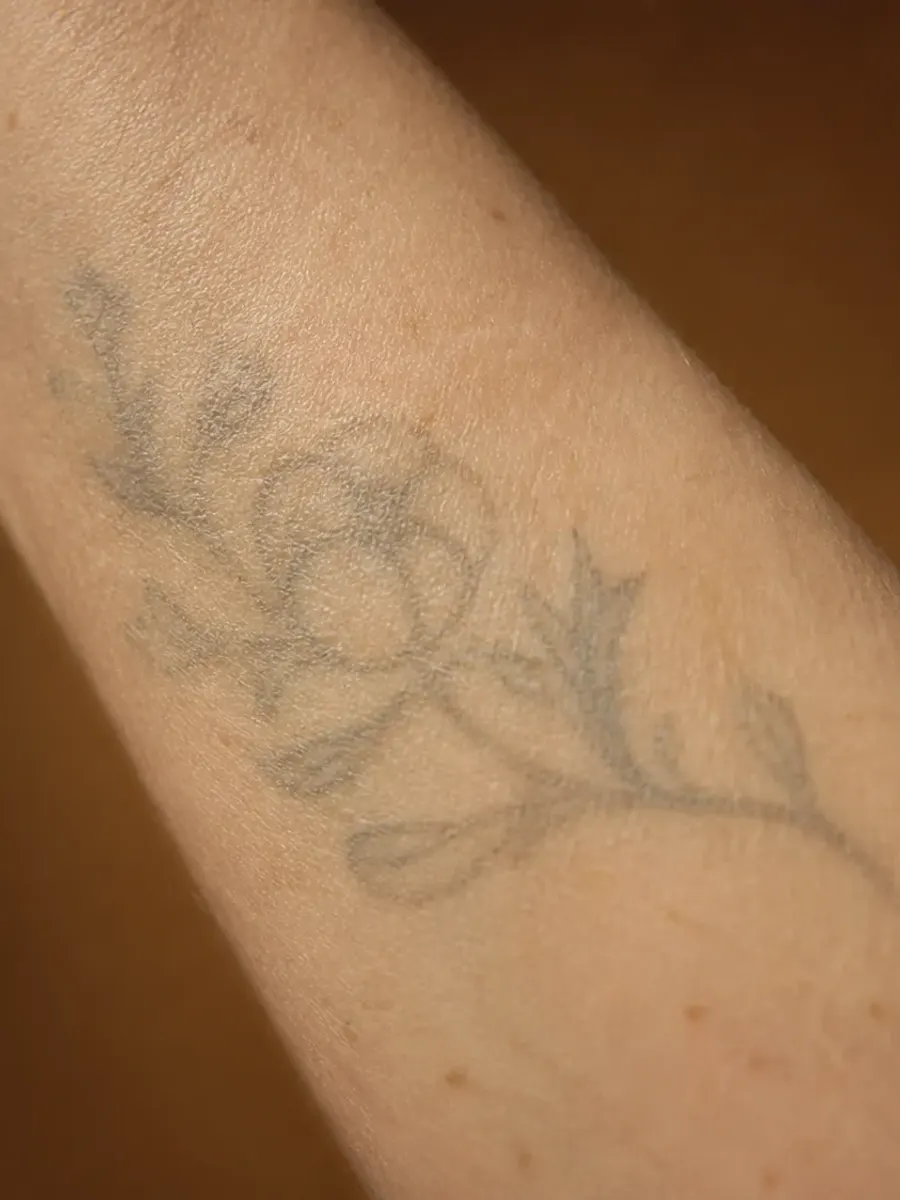
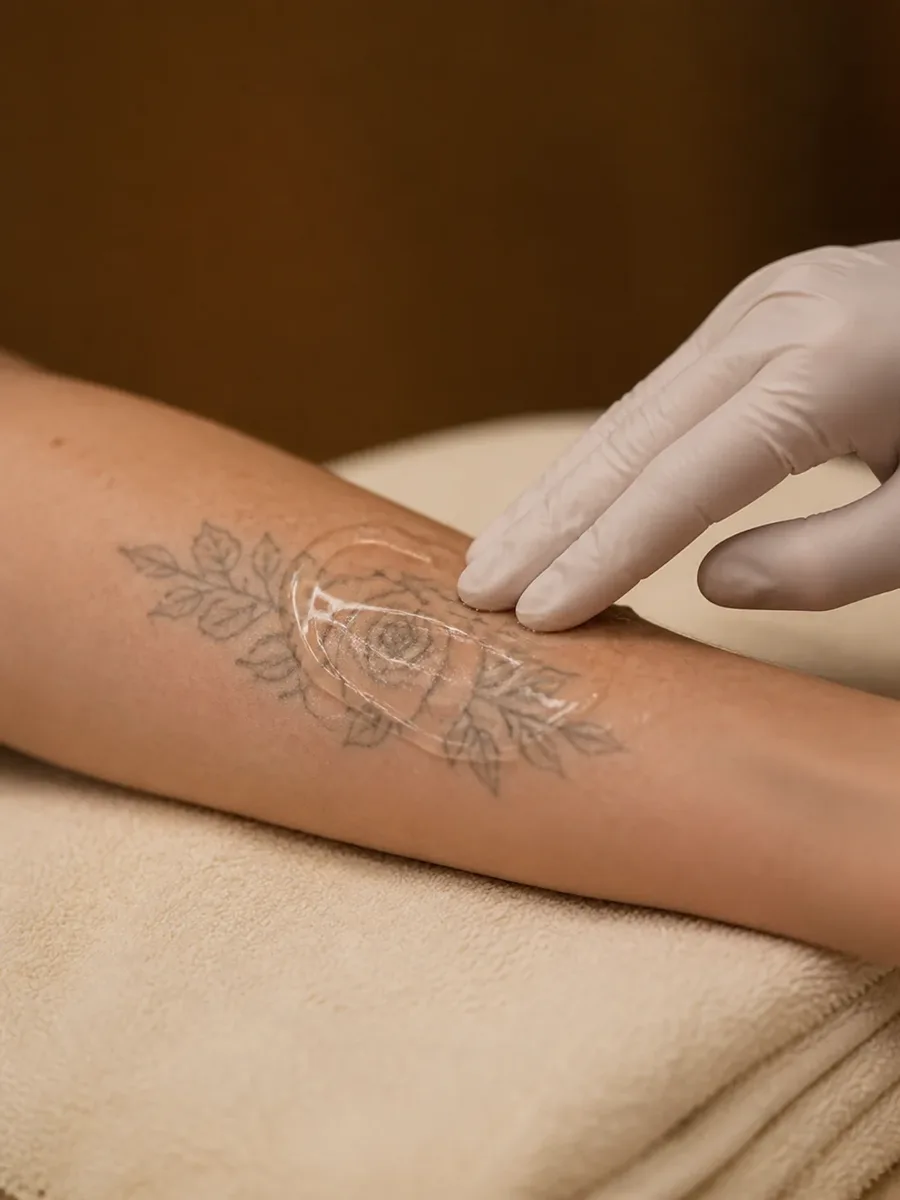
Picosecond, Q-switched, excision or dermabrasion: what each method does to the ink and the skin, and what a picosecond laser changes for your tattoo.

Black fades most easily. Red, orange, yellow, green and blue go through the colour handpiece, and more sessions. Why that is, and what to expect for a coloured tattoo.

Laser tattoo removal in Laval: the device, who uses it, session count, price and what we turn down. Our answer to each one.

Most often 8 to 10 sessions, sometimes more, 6 to 8 weeks apart. What changes that number for your tattoo, and why websites disagree.

Full legs and full arms with a laser: about 8 sessions, one every 4 to 6 weeks. The per-session price compared with the Unlimited Zones plan, with the math.

Alexandrite, diode or Nd:YAG: what each laser does, for which skin and hair, explained in plain words, with what the research says about how they work.

Shave the day before, skip the wax and the sun: how to prepare for laser hair removal, explained simply, for someone who has never had a session.

Many people call a spa's pulsed light a "laser". Here is the difference, why hair grows back with one of them, and how to spot a real clinic.

On dark skin, the risk depends on the device and its settings. What wavelength changes, why Nd:YAG exists and what we check before your first session.

Laser targets the melanin in hair: without it, there is nothing to aim at. What electrolysis does instead, and how to split your body between the two.

An at-home IPL device removes about one hair in two, an in-clinic laser more than eight in ten. Why, for which skin, and when home is enough.

Five things to check before choosing where to get laser hair removal. 2027 Consumer Choice Award, best aesthetics clinic in Laval.

The laser heats the hair through its melanin to weaken the follicle. Which skin and hair it works on, and what to expect from one session to the next.

We're in Sainte-Rose, Laval, a few minutes from Montreal. A dual-wavelength laser for every phototype, and an Unlimited Zones plan.