At-Home Radiofrequency Devices: What They Can Do for Your Skin, and What They Can't
A home radiofrequency device does not do the same job as a medical one. Why that is, what it can still offer you, and where the line sits for safety.

One word, three technologies, very different bills. What changes the price of a face-tightening treatment, and where you can read our own prices.

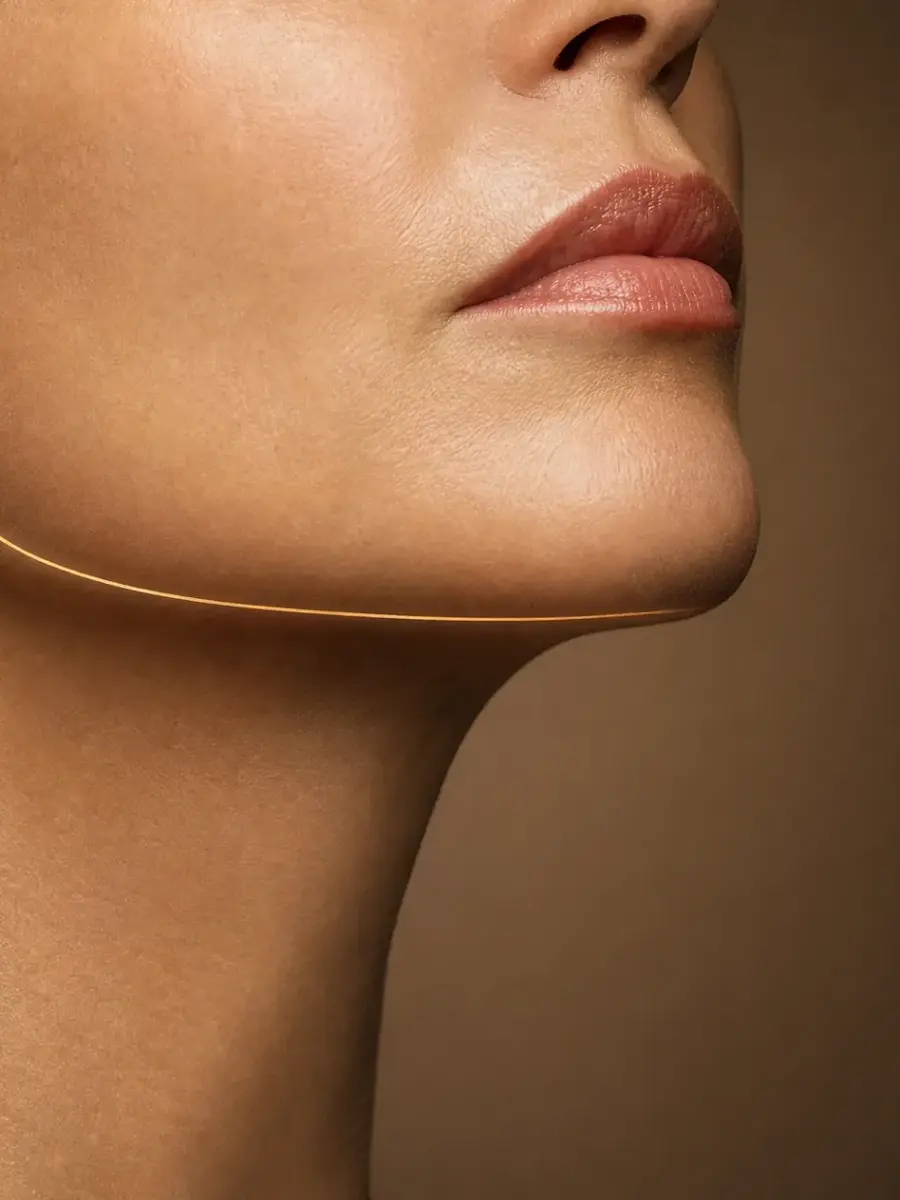
A "face-tightening treatment" can cost twice or three times as much from one clinic to the next because the word doesn't name a single treatment. Behind it are devices that don't heat at the same depth, different surface areas and session schedules that have nothing in common. Here, one XERF session is $1,500, taxes extra, for the full face and neck.
Comparing quotes and the numbers don't line up? We get why it's confusing. Here are the four items that move a bill, what ours covers and what it doesn't.
"Tightening" describes the result you're after. It says nothing about the device. A gentle radiofrequency you repeat, a microneedling radiofrequency and a deep monopolar radiofrequency can all be sold under that name.
What sets them apart is how deep the heat goes and how the effect builds: a little each session, or a lot at once. A systematic review published in 2025 in Aesthetic Surgery Journal Open Forum pooled 15 studies on facial radiofrequency. The authors compare very different devices and protocols, and they acknowledge that measurements aren't standardized from one study to the next. Comparing two prices without knowing the device means comparing two things that aren't measured the same way.
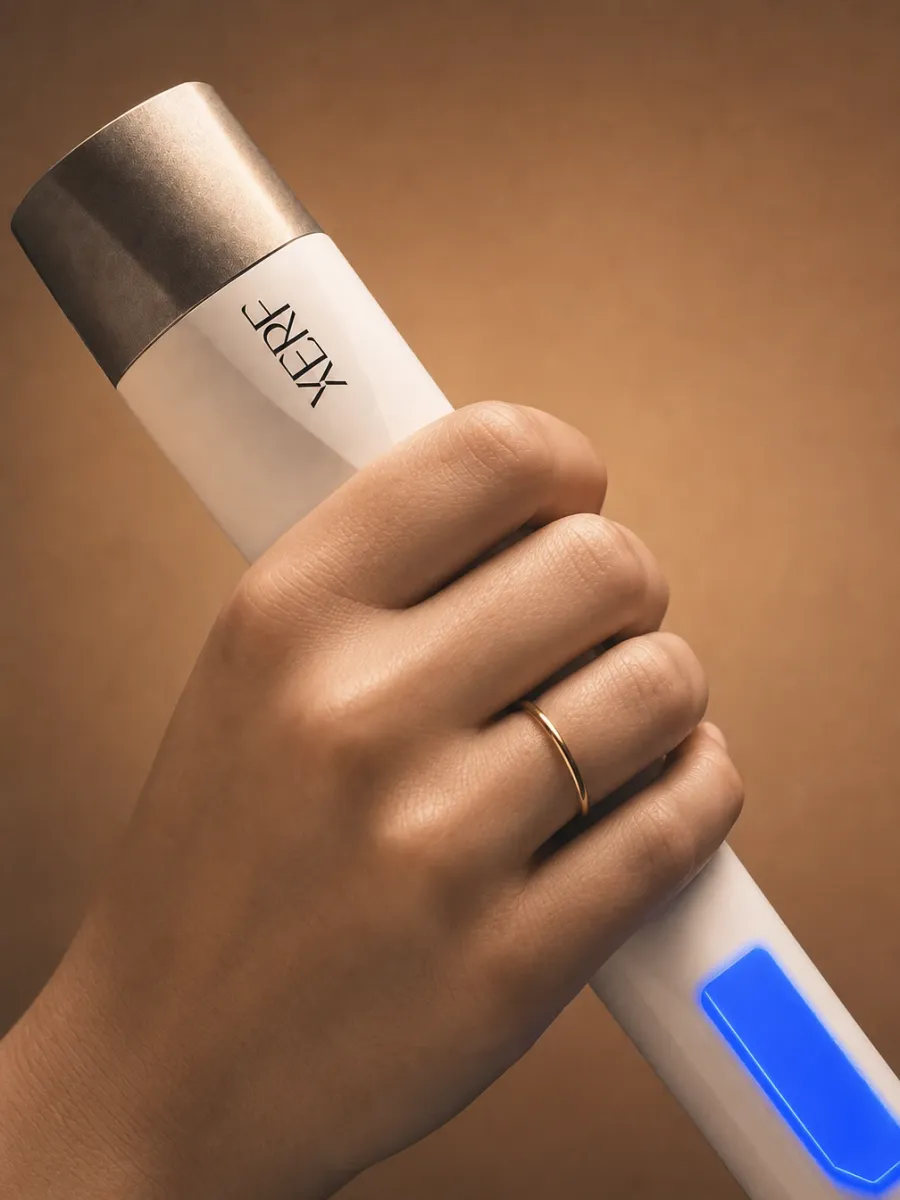
Here are the three tightening devices we offer, and how each one is billed. The amounts come from our treatment pages.
| TempSure | Potenza | XERF | |
|---|---|---|---|
| Type of radiofrequency | Gentle, near the surface, repeated | With microneedles | Monopolar, at depth |
| How it's billed | Area by area | Per session or as a series | Per session, full face and neck |
| Price example | Face and neck: $400 | $749 per session, $2,197 for four | $1,500 per session |
| Schedule | A series, then upkeep | Every 4 to 6 weeks | Two sessions minimum, then one a year |
Taxes extra, on every line. The lowest price per session says nothing about the total: a gentle treatment repeated several times can end up closer than you'd think to a deep one done twice. The reverse is true too. A high price isn't proof of quality. What matters is that the device answers what bothers you.
A bill can look low because it covers a small area. The mouth contour with TempSure, for example, is $100. That isn't the same work as a full face.
For XERF, the posted price covers the full face, the eye area included, and the neck. The neck isn't an extra. The décolleté isn't included: we don't offer it with XERF yet.
The number that counts is the price of one session times the number of sessions, then upkeep. For XERF, we plan two sessions minimum, then one upkeep session a year, because skin keeps aging. Some people do more than two at the start. We decide that together at the assessment.
Your first-year budget for XERF reads like this:
A XERF session lasts 90 min for the full face and neck. It's done by a medical aesthetician, who chooses depth and intensity area by area. The device reads the skin's resistance with every pulse and adjusts the energy, according to the manufacturer, Cynosure Lutronic.
Sarah-Donia Cherif, clinical nurse and owner of the clinic, was a trainer for Cynosure. Before any session, a LINE VU 3D skin analysis shows where your skin stands. That's work that doesn't show on the bill, but it changes what we recommend.
The manufacturer sets a price floor on the XERF session, and we respect it. So there's no discount on XERF, either à la carte or in an offer. When an offer exists, it adds treatments around the sessions. It never lowers the price of the session.
A XERF session here is $1,500, taxes extra, for the full face and neck. That amount is the same on the treatment page, on the price page and here.
A package can also hide things the other way: a low price per session that assumes eight or ten sessions, or an area smaller than you pictured. What we tell you up front: the device, the area, the planned number of sessions and the upkeep.
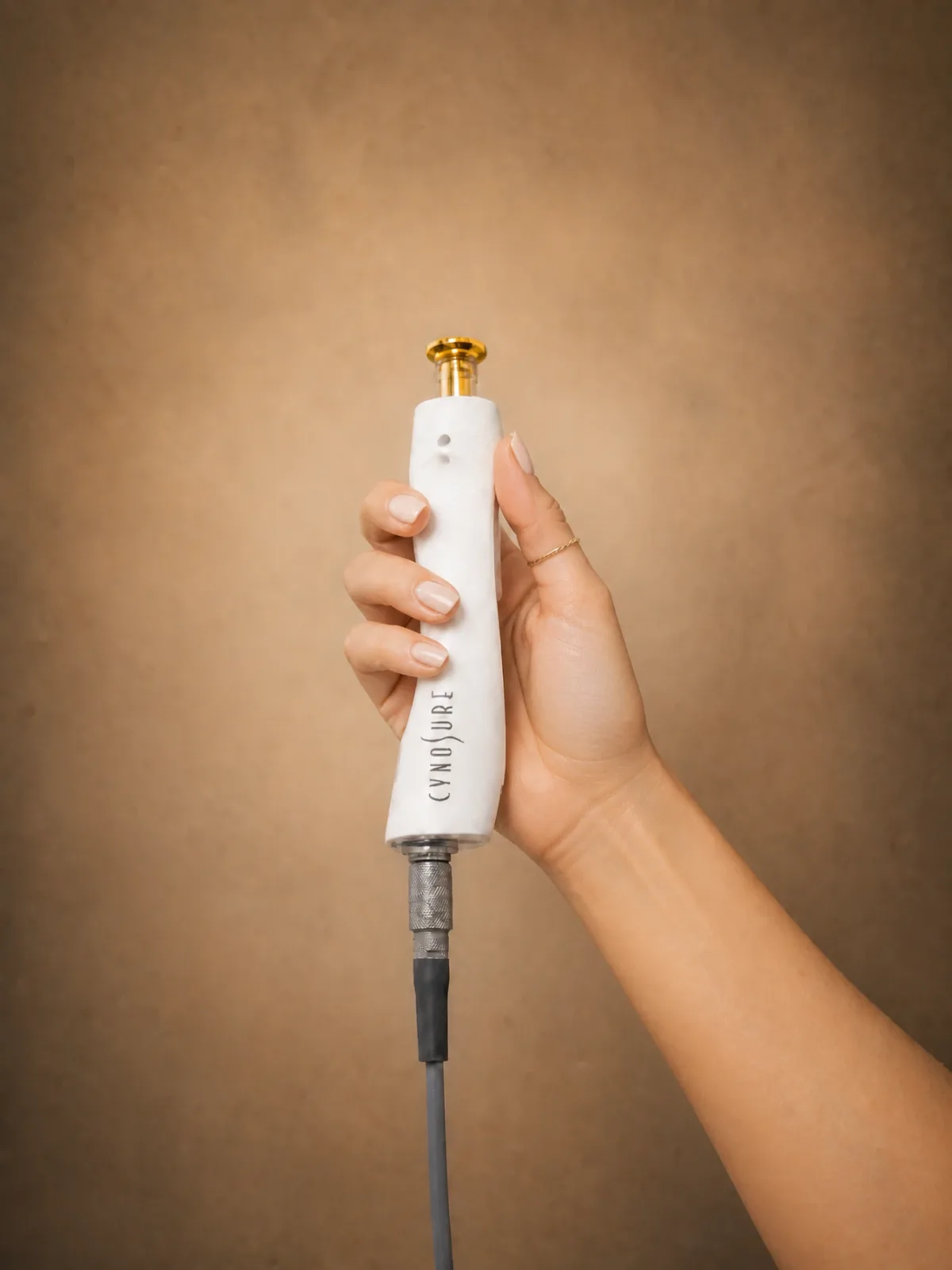
All our amounts are on the price page and on each treatment page, taxes extra. What isn't in the price of a XERF session: the décolleté, which we don't offer yet, and taxes. The XERF page also mentions a financing option. If you're still unsure about the number of sessions, this article explains our schedule.
There's no general answer. A low price can cover a small area or a device that's repeated often. We compare what each bill covers: the device, the area and the number of sessions.
We can only speak to our own price list. What we can tell you is what ours covers, line by line, and what it doesn't.
No. For XERF, the neck is included in the session price, along with the full face and the eye area.
That's something to check with your insurer. We can't answer for them.
Yes. After the initial sessions, we plan one upkeep session a year.

A home radiofrequency device does not do the same job as a medical one. Why that is, what it can still offer you, and where the line sits for safety.
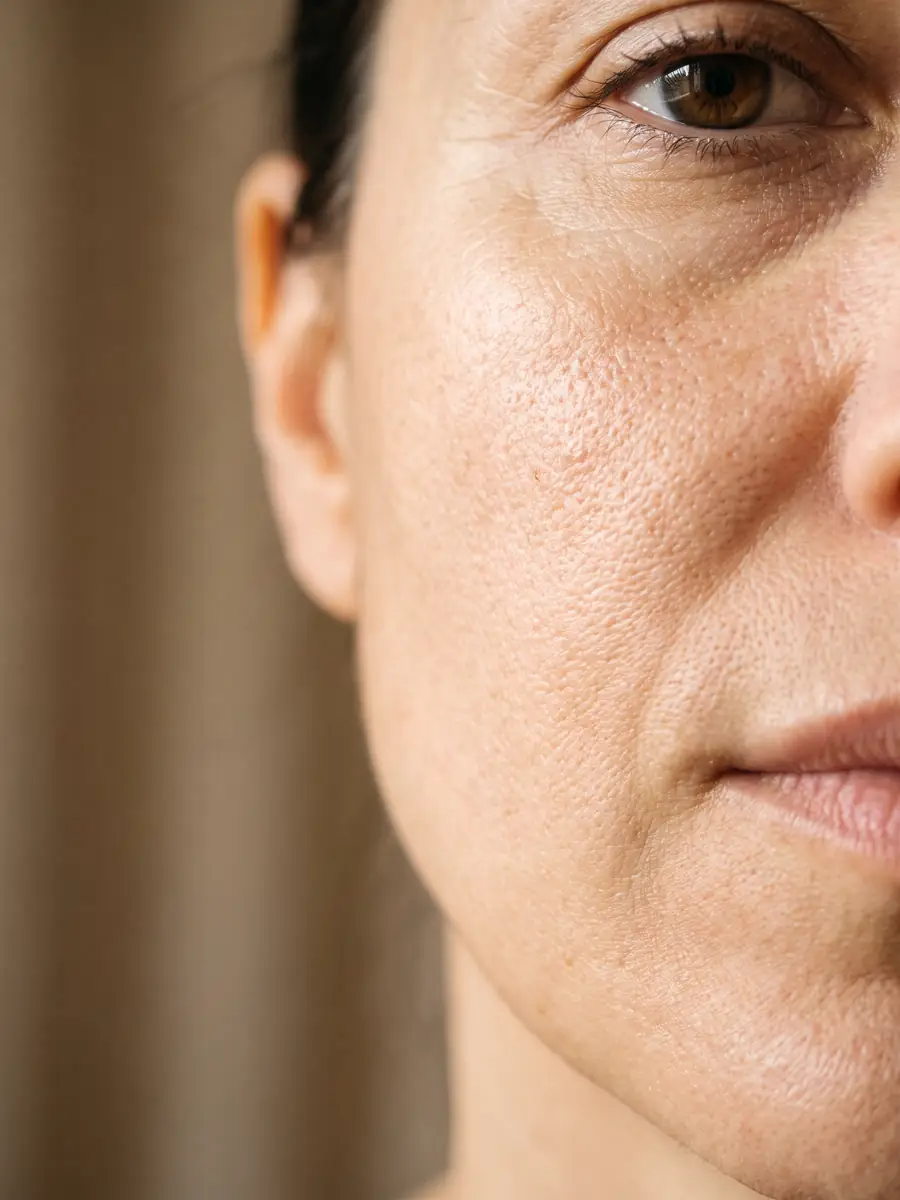
Needle-free radiofrequency firms the jawline and neck; microneedling radiofrequency rebuilds skin texture. How to tell which one is for you.

HIFU concentrates heat into points, radiofrequency spreads it through a volume. What that changes during the session, and who each one is for.
The best plan starts with an assessment. We look at your skin and answer your questions, no obligation.

Hi, I am Stella. Ask me about a treatment, a price or the clinic, and I will point you to the right place.
Stella answers from the site. She does not diagnose and does not book. The conversation stays 24 hours on this device, and the clinic keeps a copy.