Hair Transplant or PRP: When Each One Makes Sense
A transplant moves follicles, PRP supports the ones still there: what studies say about PRP, and the case where a transplant is the only answer.

Yes, combining exosomes, PRP and the LaseMD Ultra laser can improve the look of your hair (results vary). What each one brings, and how we choose the right mix for you.
Yes, exosomes, PRP and laser can be combined, and it's often the best idea. At the clinic, one of these combinations has a name: Ultra Exo, which pairs the LaseMD Ultra laser with exosomes. We choose each treatment for what it does best, without adding another one just to make the list longer.
You're losing hair, you've read about each of these options, and you're wondering whether you should do everything at once. It's easy to get lost. We'll explain what each treatment brings, then who each combination suits.
Every hair treatment works through its own mechanism. Chosen well, together they let you:
The job of exosomes is to carry a message to the cell, and they combine well with almost anything. What's left is choosing what to pair them with.
PRP and exosomes aim at the same thing, improving the look of hair, but they get there differently.
PRP comes from you. We concentrate your own platelets, then place them back in the scalp. Its quality depends on your blood, which in turn depends on your habits.
Exosomes used at the clinic are synthetic; they are prepared in a laboratory. Their concentration stays the same from one session to the next, whatever shape you're in.
In sequence. First the full protocol, with exosomes added to the PRP sessions, then maintenance continues on PRP alone. That's how DC Bloom Exo and DC Prime Exo are built.
As a complement. Exosomes go on the most affected areas and PRP across the whole scalp, in the same approach.
The choice between the two depends on your age, your general health, the stage of the loss and what you're after.
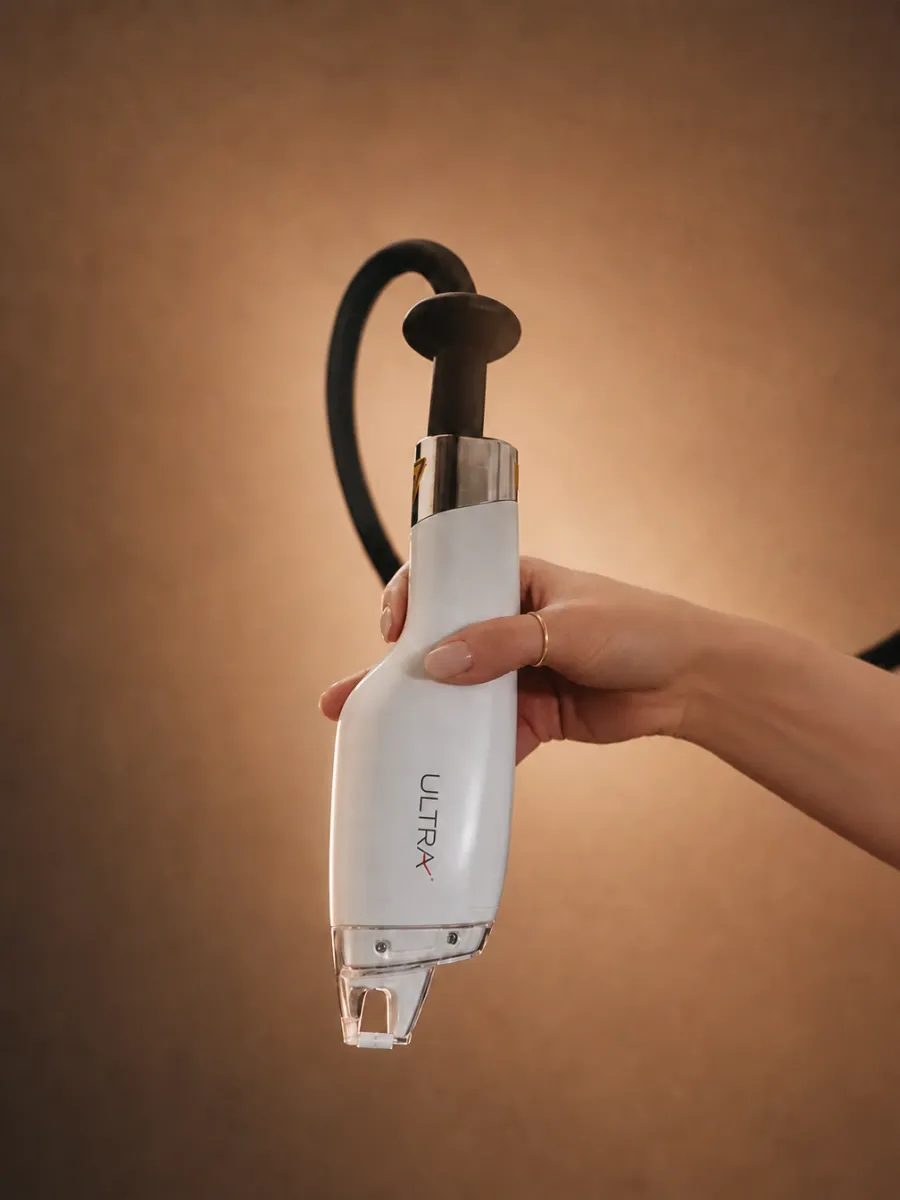
The LaseMD Ultra is a non-ablative laser. It creates tiny channels in the skin without burning it, and the active applied right after enters through those channels.
Are needles what's holding you back? This is the option we'd suggest. With this combination:
The session happens in two steps. A laser pass opens the micro-channels, then we apply the exosomes, which enter through those channels. That's the treatment we call Ultra Exo.
We get asked this often. Do we offer it at the clinic? No.
Red and infrared light are studied for stimulating the follicle, and you'll find this treatment elsewhere. We're not going to sell you a treatment we don't have, or let you think it's part of our protocols. If we add it one day, we'll write it here.
Microneedling also creates micro-channels, but mechanically. It adds a stimulation the laser doesn't, since the small, controlled injury triggers a repair response.
What it brings:
How it goes:
On the face, that combination has its own page: microneedling with exosomes.
Exosomes and PRP. If you're in good general health, like the idea of a treatment that partly comes from you, and are thinking about long-term maintenance.
Exosomes and laser. If needles put you off, if the loss is diffuse and early, and if you want the most comfortable session possible.
Exosomes alone. If PRP is contraindicated for you or you don't want a blood draw. That's our DC-Exo treatment.
At the assessment, we look at your hair history and the current state of your scalp. We also talk about what you're aiming for, your budget and how much you want to commit to. We choose the combination from that conversation, not from a catalogue.
The markers below describe a typical progression. We can't promise them to you.
Months 1 and 2. Shedding slows and existing hair improves. The scalp also gets a better blood supply.
Months 3 and 4. Fine hair thickens and density creeps up.
Months 6 to 9. Hair looks fuller (results vary) and the result settles.
From 12 months. The result is mature and holds with maintenance.
What helps most is starting early. Finishing the protocol, keeping good habits and avoiding major stress during treatment help too.
On the other hand, an uncorrected hormonal imbalance, chronic stress, smoking or a protocol abandoned halfway slow results down. If you recognize yourself in that, no guilt needed. We take it into account at the assessment.

No. They act through different mechanisms that complement each other. The laser opens the way for the exosomes, which carry a message to the cell, while PRP works on the terrain.
They're the same as for each treatment taken separately: pregnancy and breastfeeding, active autoimmune disease, an active skin infection, and anticoagulants for anything that goes through a needle. The nurse reviews them with you.
No, and we won't offer it. We're aiming for a result, and the number of treatments on the invoice doesn't change that.
Combined programs cost less than the same sessions paid one at a time. Prices are posted on every program page, taxes extra.
It depends on the combination. You need at least four to six weeks between two PRP-with-exosome sessions, while laser and exosomes happen in the same session.
Yes. None of these treatments creates dependency. If you stop, your hair simply returns to its natural course, and you can adjust based on your response and your means.
Hair medicine is moving toward increasingly integrated protocols, with markers for finer personalization, new molecules to combine with exosomes and less invasive techniques at equal effectiveness.
We follow these avenues without announcing them early. The day one of them becomes a treatment, you'll read about it here.
We look at your situation with you and talk about what you're aiming for. Then we suggest the combination that makes sense and plan the sessions. If no combination makes sense in your case, we'll tell you that too.
We give you advice before you start and follow up during the protocol. We reassess your response regularly and adjust when it calls for it.
Exosomes don't work miracles on their own. They give their best with a good complement, whether that's PRP for maintenance, laser for comfort or microneedling for stimulation. We choose the combination based on your profile, and the longest one isn't necessarily the one we'll suggest.
To place your case, start with our hair page.
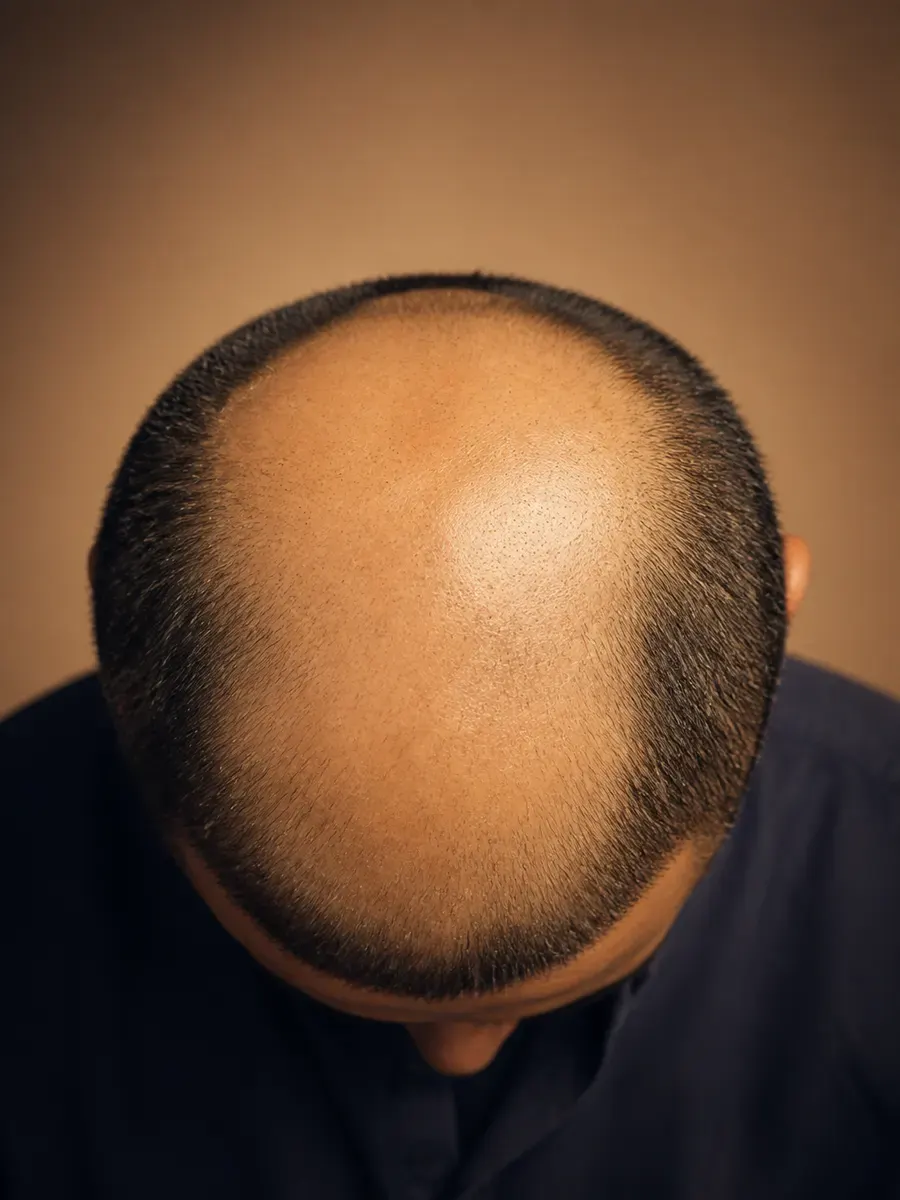
A transplant moves follicles, PRP supports the ones still there: what studies say about PRP, and the case where a transplant is the only answer.
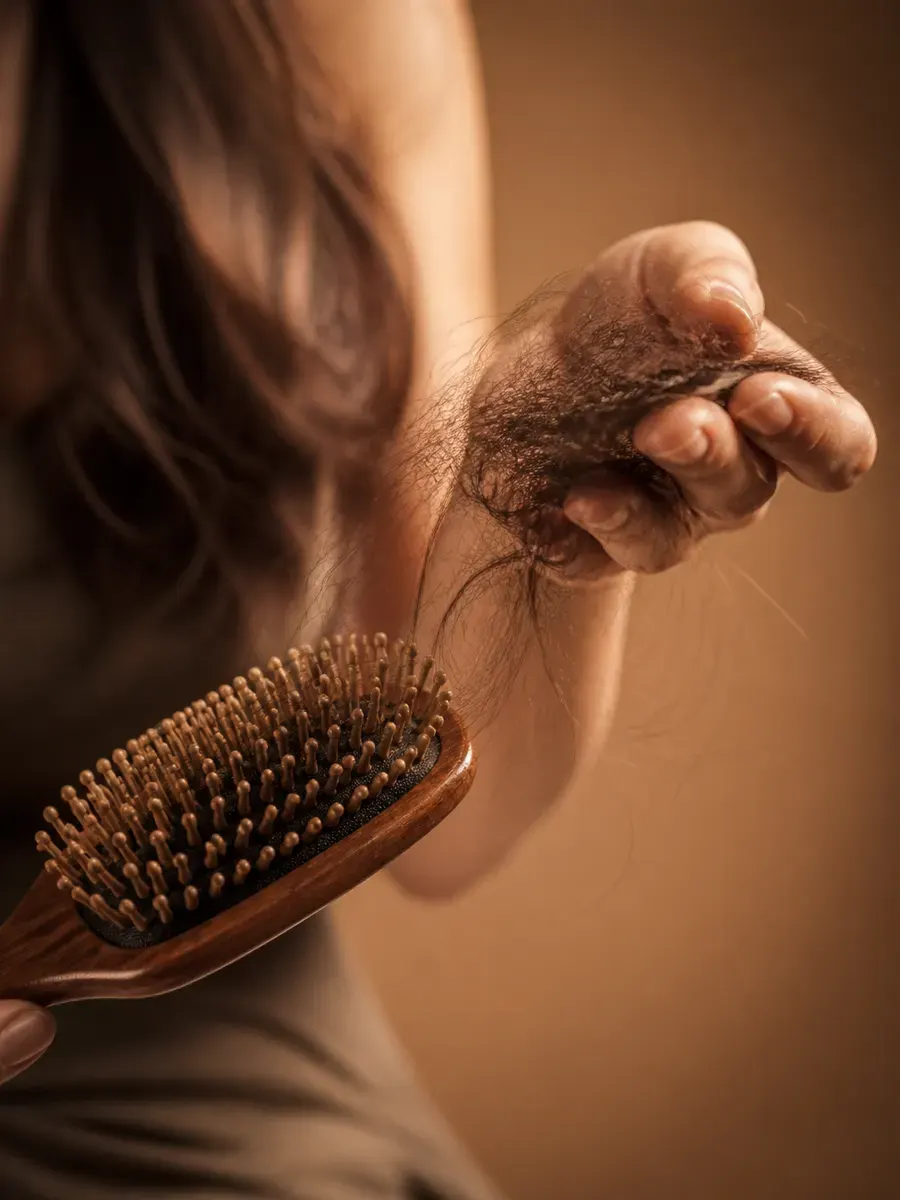
More hair in the brush since September? What one study measured about seasonal shedding, and the signs that call for a proper assessment.
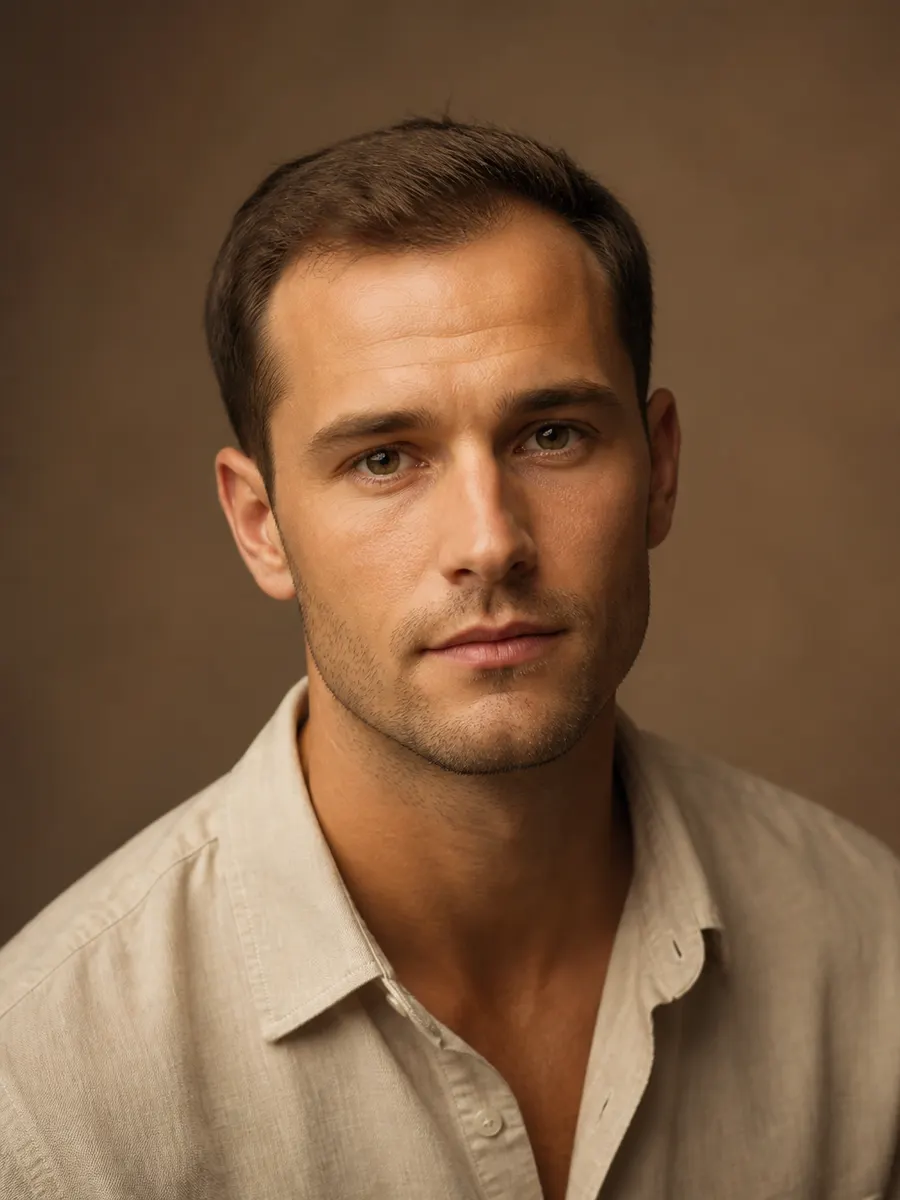
Temples receding in your twenties? What the AAD says, what changes depending on the stage, and how DC Prime works while the follicle still responds.
The best plan starts with an assessment. We look at your skin and answer your questions, no obligation.

Hi, I am Stella. Ask me about a treatment, a price or the clinic, and I will point you to the right place.
Stella answers from the site. She does not diagnose and does not book. The conversation stays 24 hours on this device, and the clinic keeps a copy.