Losing More Hair in Fall? What's Normal and When to Get Checked
More hair in the brush since September? What one study measured about seasonal shedding, and the signs that call for a proper assessment.

A transplant moves follicles, PRP supports the ones still there: what studies say about PRP, and the case where a transplant is the only answer.
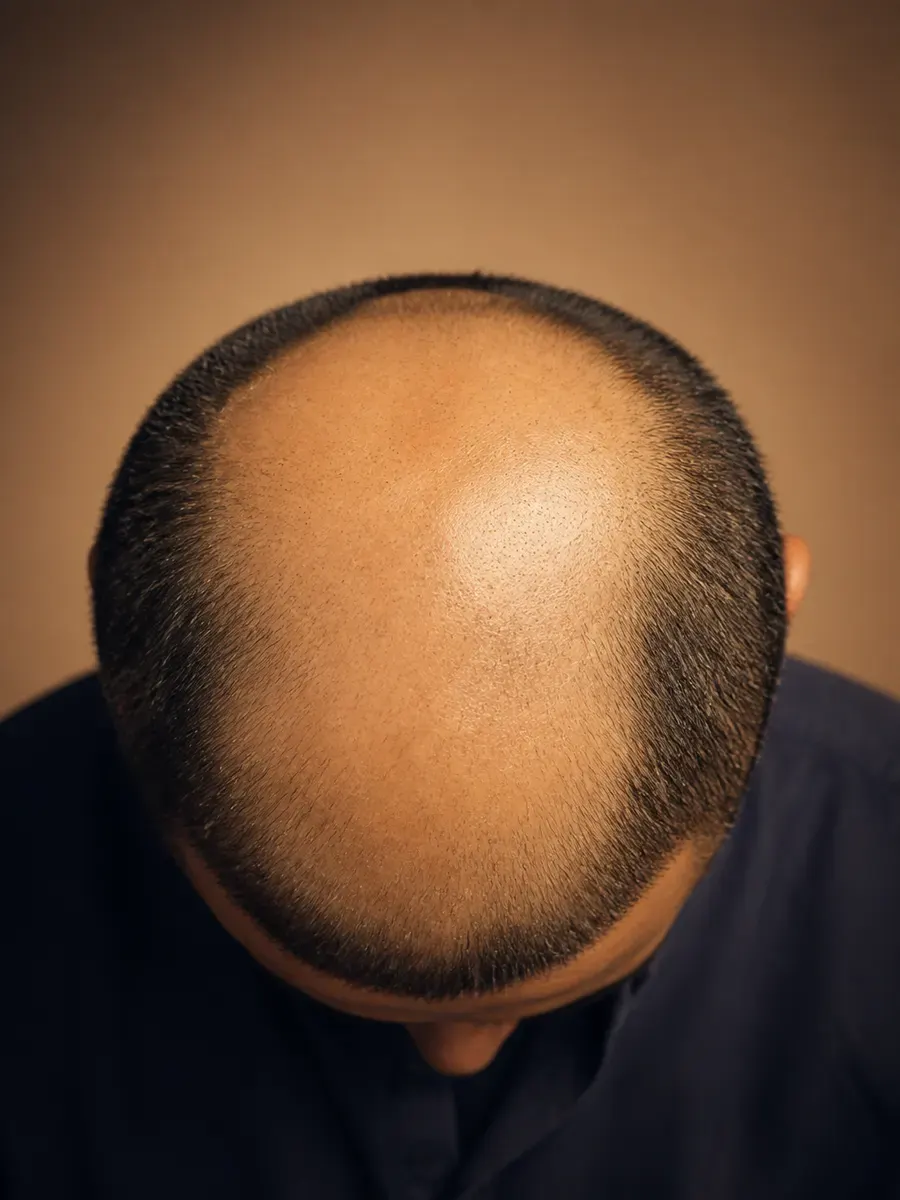
A transplant or PRP: the question comes up often, and the answer hinges on one simple thing. Is your hair still there, just finer than before, or is the area bare? In the first case, PRP makes sense. In the second, it's a transplant, and that's not a treatment we offer.
We'd rather say so right away than leave you comparing two things that don't answer the same situation.
A transplant and PRP don't do the same job. One moves follicles. The other supports the ones already in place.
| Transplant | PRP | |
|---|---|---|
| What it does | Moves follicles from one area to another | Supports follicles already present |
| Bare area | Can be an answer | Won't regrow hair there |
| How long it lasts | Permanent, per the AAD | Not permanent, needs upkeep (AAD) |
| Who handles it | A medical assessment, elsewhere | A nurse, at the clinic |
We found no study that compares the two head to head. So we won't tell you which one "wins": they serve different moments.
According to the American Academy of Dermatology (AAD), a transplant gives permanent, natural-looking results. It takes follicles from one spot and places them where there are too few.
It doesn't create more hair: it redistributes what you have. It's surgery, and it belongs to a medical assessment. We don't offer it, and we won't speak ill of it: for a bare area, it's often the right direction.
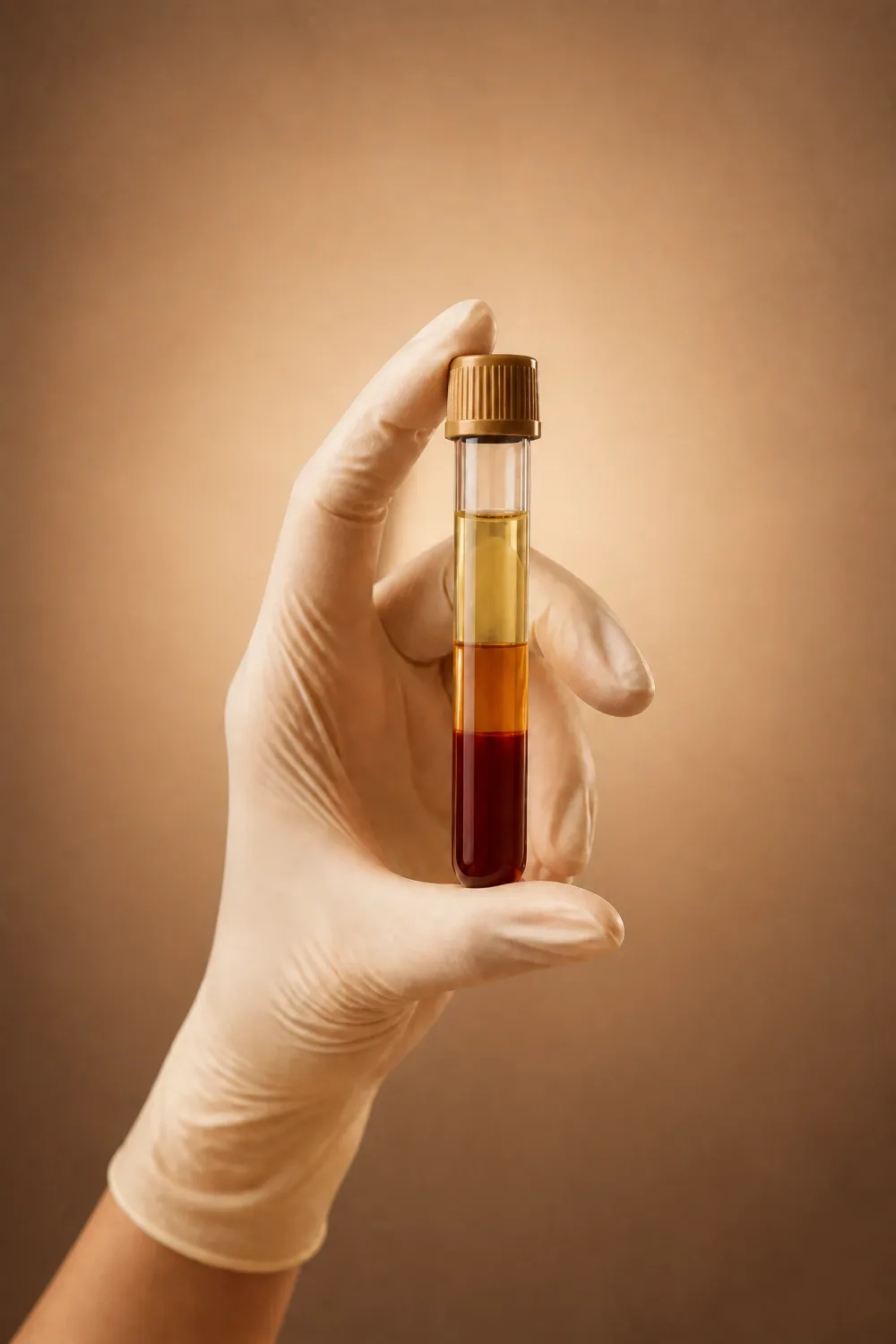
Hair PRP starts with your own blood. A nurse draws a small amount, we spin it to concentrate the platelets, then the plasma is injected into the scalp.
It targets follicles that still respond. The AAD states that PRP isn't permanent and that upkeep is needed. For budgeting, one hair PRP session is $625, plus taxes.
The best recent summary is a 2024 meta-analysis by Kieling and colleagues in Anais Brasileiros de Dermatologia. It pools 13 randomized clinical trials.
PRP supports the follicles that are still there. It doesn't replace a bare area.
A measurable gain, then, but a modest one, and it varies with the protocol. It doesn't promise regrowth, and we don't either.
If an area has been bare for a long time, there's no active follicle left to support. PRP has nothing to work on, and a transplant becomes the only answer that moves anything.
In that case, it's not our treatment. We tell you at the assessment, and we send you to a physician. The criteria for whether a transplant is appropriate, such as age or how stable the loss is, belong to that physician: we don't set them for them.
The two aren't mutually exclusive. The AAD says PRP can come before a transplant. A 2025 systematic review of PRP as an add-on to a transplant reports encouraging results, still to be confirmed.
If you've already had a transplant, or you're considering one, PRP may have a place before or around it. We talk it through at the assessment, with your physician if needed.

Here's what we tell you without your having to ask:
To know whether PRP suits you, read who is a candidate for hair PRP. For your own case, the hair page lays out our options.
No, not on a bare area. PRP works on the follicles that are there, whereas a transplant brings them in from another area.
Yes, it's one avenue. The AAD says PRP can come before a transplant, and a 2025 review reports encouraging results, to be confirmed. We discuss it at the assessment.
According to the AAD, yes. It doesn't create more hair: it moves what you have.
That decision belongs to the physician who does the assessment, not to us. We don't set an age here.
No. It works on the follicles that are present. On a bare area, it's not the right treatment.
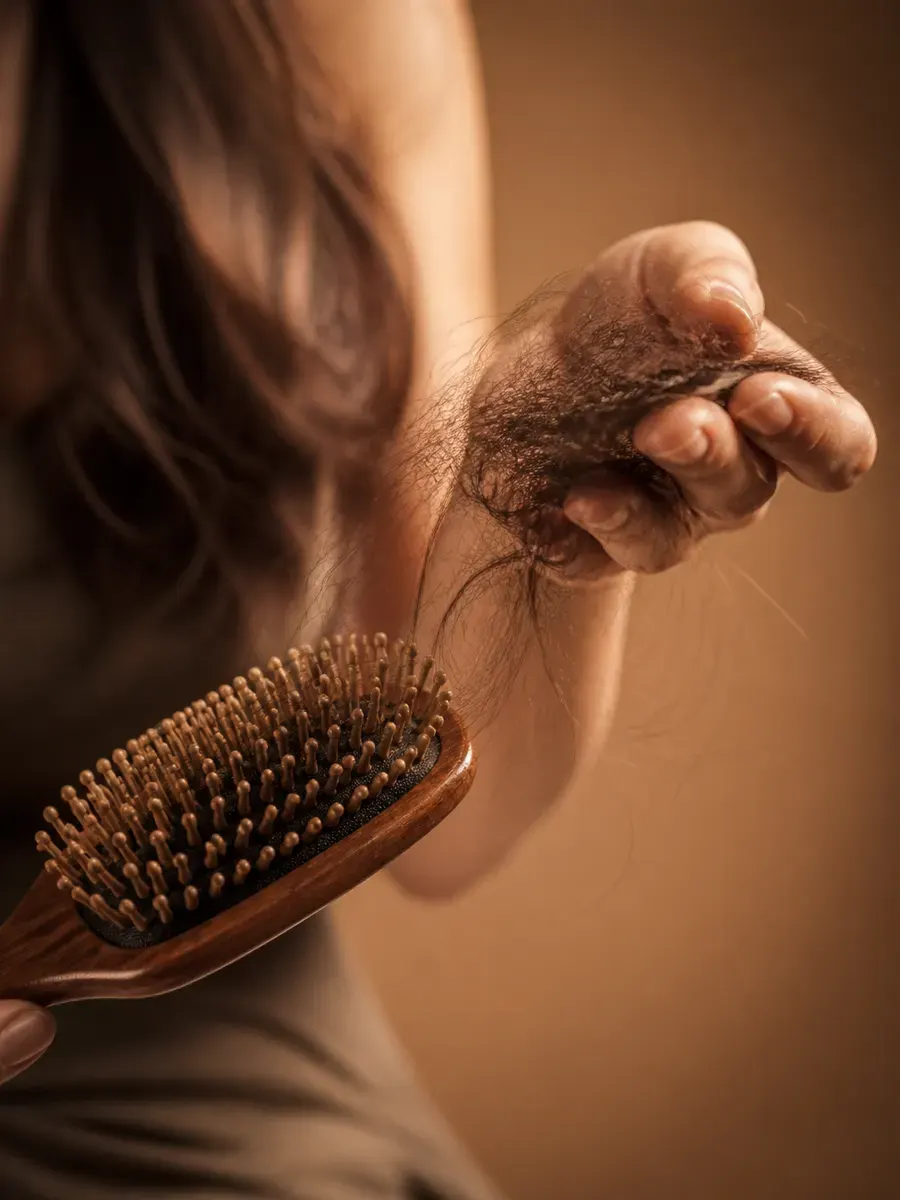
More hair in the brush since September? What one study measured about seasonal shedding, and the signs that call for a proper assessment.

Temples receding in your twenties? What the AAD says, what changes depending on the stage, and how DC Prime works while the follicle still responds.

Hair that falls out after childbirth usually grows back by itself. When to worry, what we check, and what DC Bloom can do if it doesn't.
The best plan starts with an assessment. We look at your skin and answer your questions, no obligation.

Hi, I am Stella. Ask me about a treatment, a price or the clinic, and I will point you to the right place.
Stella answers from the site. She does not diagnose and does not book. The conversation stays 24 hours on this device, and the clinic keeps a copy.