Picosecond or Traditional Laser Tattoo Removal: Which One for Your Tattoo?
Picosecond, Q-switched, excision or dermabrasion: what each method does to the ink and the skin, and what a picosecond laser changes for your tattoo.

Regret a brand-new tattoo? Why we wait for the skin to heal before the first laser session, and how the date is set at your assessment.

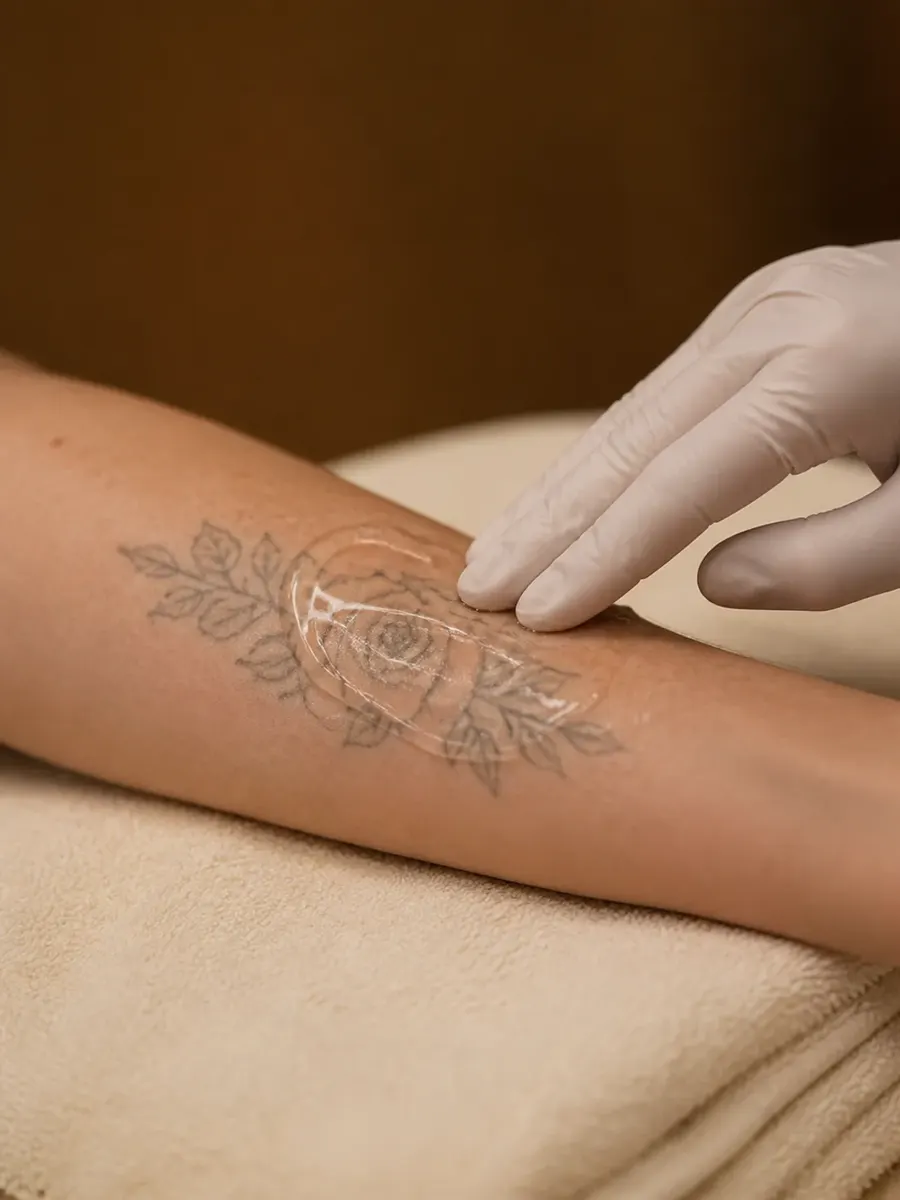
Not right away. The skin has to finish healing from the tattoo before the first laser session, and the exact date is confirmed at your assessment, because it depends on your skin rather than the calendar. We don't give a universal number of weeks: as far as we know, no medical guideline sets one.
If you just got tattooed and regret it, we understand, and there is no shame in wanting to undo it. Here is why we wait, what it means for your skin, and what to do in the meantime.
A brand-new tattoo is skin repairing itself. Mild redness and swelling are normal after the tattoo session, according to the American Academy of Dermatology. The skin also sometimes forms scabs. The laser leaves its own mark: redness, swelling, sometimes blisters or scabs for a few days up to one or two weeks. A laser on skin that is still healing adds a second repair on top of the first.
The risk of a scar exists whenever a healing area is picked at. That is the reason for the wait, and it doesn't come from a lack of eagerness on our part.
There are also late reactions. According to the AAD, some skin reactions to a tattoo show up right away, others weeks or years later. We prefer that the skin has shown how it reacts to its ink before we treat it.
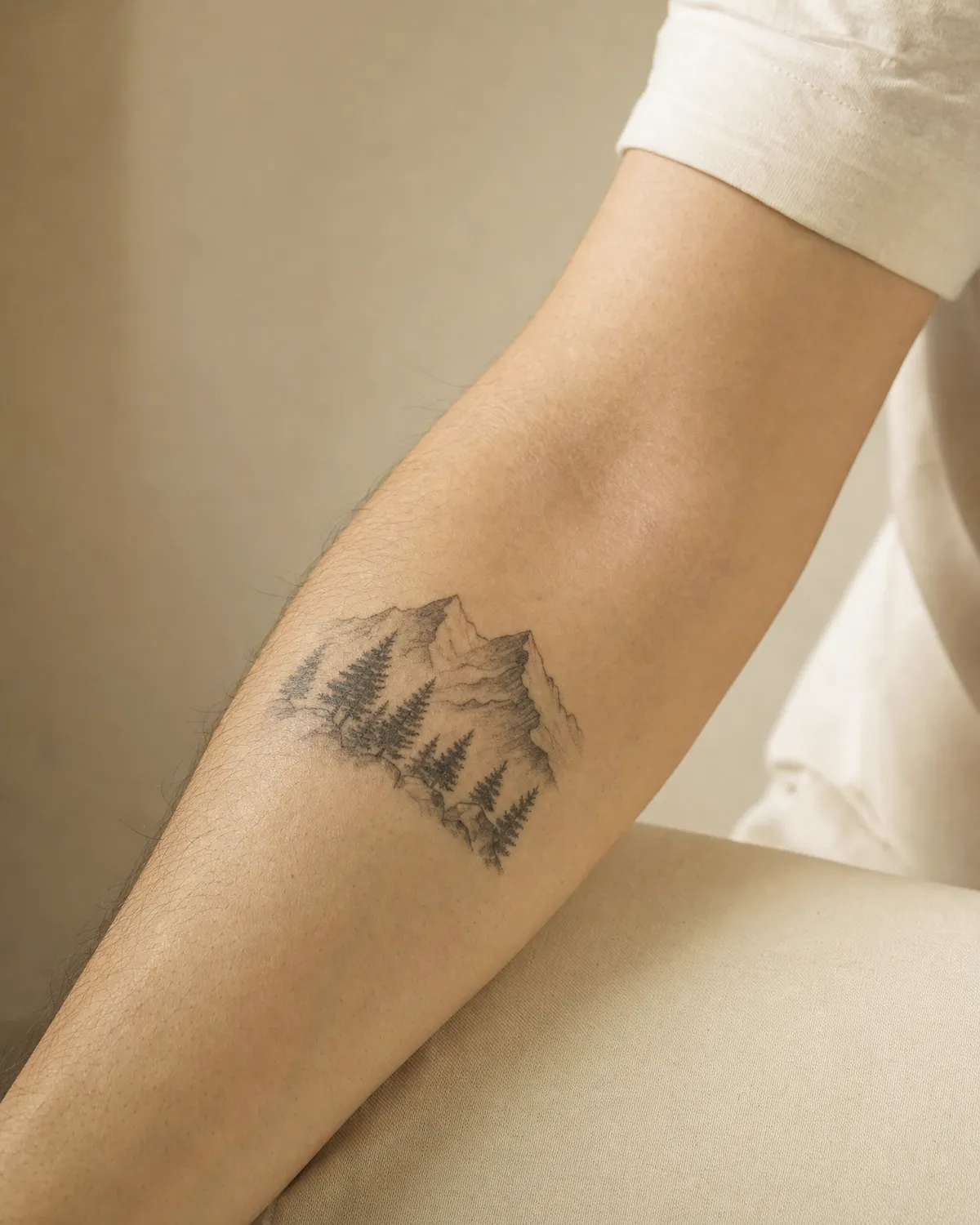
It's the question we get asked the most, and the honest answer doesn't fit in one number. Comparing clinic websites, you find guidance that runs from about a month to more than three months, and the sources don't agree with each other. We haven't found a medical guideline that settles it.
At our clinic, your skin decides, and we look at it in person. Here is what we read from it:
| What you see on your tattoo | What it tells us | What we do |
|---|---|---|
| Scabs, peeling skin, marked redness | The skin is still healing | We wait, and see you again later |
| Calm skin, no scabs, and the tattoo is well behind you | The skin may be ready | We confirm at the assessment, by looking at the area |
| Weeping wound, pain that keeps growing | A problem that isn't the laser's business | We send you to a doctor first |
On the last row, the AAD explains that tattoo infections most often show up in the first days or weeks. Skin that hurts more and more goes to a doctor before anything else.
What you do now counts for what comes next. Here is what helps:

The course doesn't change because the tattoo is recent. The picosecond laser breaks up the ink, your body clears it between sessions, and we space sessions 6 to 8 weeks apart. Most often it takes 8 to 10 sessions, sometimes more. A recent tattoo isn't automatically quicker to remove than an old one: the ink matters, and so do its density, colour and depth. We cover this in our article on the number of sessions.
We look closely at your tattoo, then give you a date and a number of sessions. You leave knowing:
If you're still torn between removing and covering, the unwanted tattoo page covers that too.
Your skin sets the date of the first session, and the assessment is how we read it.
There's no universal number. The guidance on clinic websites runs from about a month to more than three months. At our clinic, the date is confirmed at the assessment, based on the state of your skin.
Not necessarily. The number of sessions depends on the ink, its density, colour and depth, not only the age of the tattoo. Most often it's 8 to 10 sessions, sometimes more.
A risk already exists when a healing area is picked at. Treating skin that hasn't finished healing adds a second repair on top of the first, and that's what waiting avoids.
Yes, for the assessment: we look at the area on site. Skin that is still peeling or scabbing means we wait before the first session.
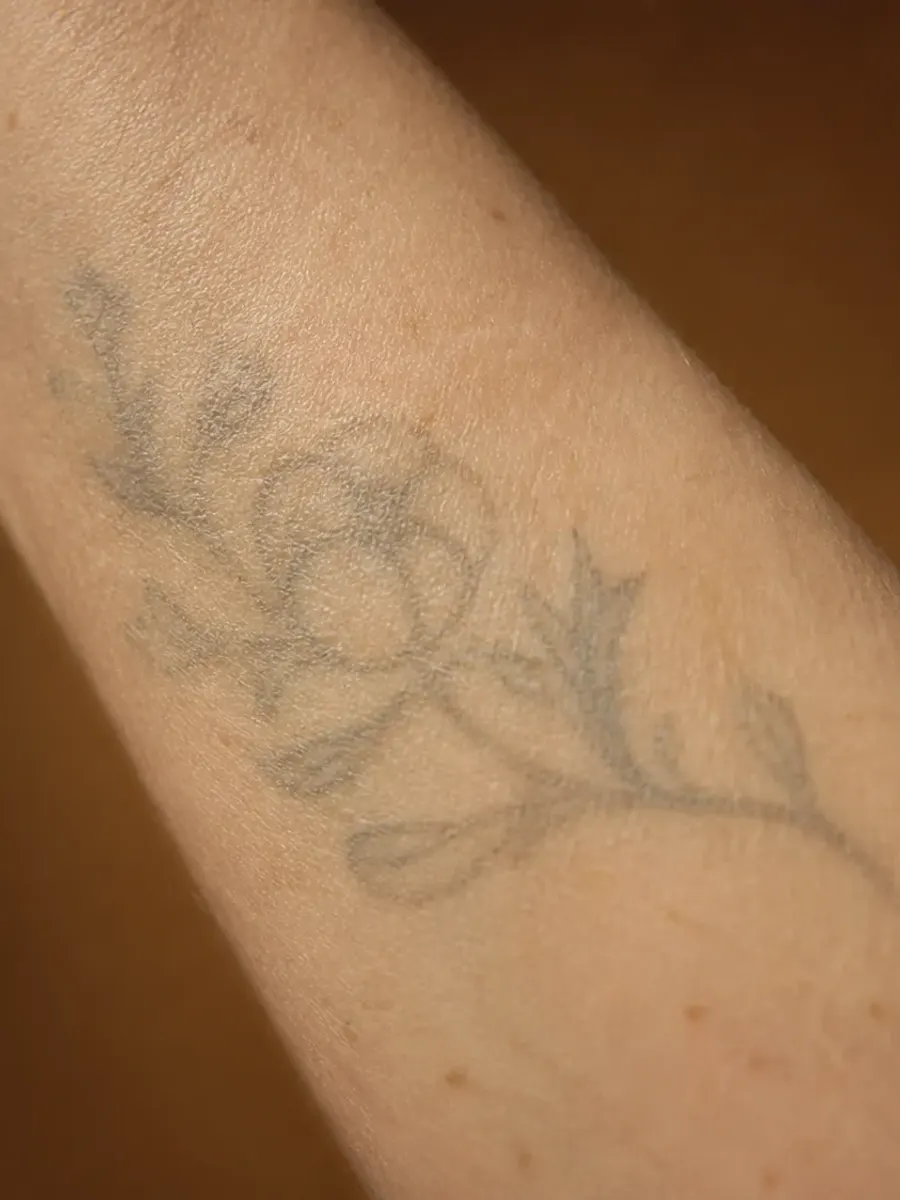
Picosecond, Q-switched, excision or dermabrasion: what each method does to the ink and the skin, and what a picosecond laser changes for your tattoo.
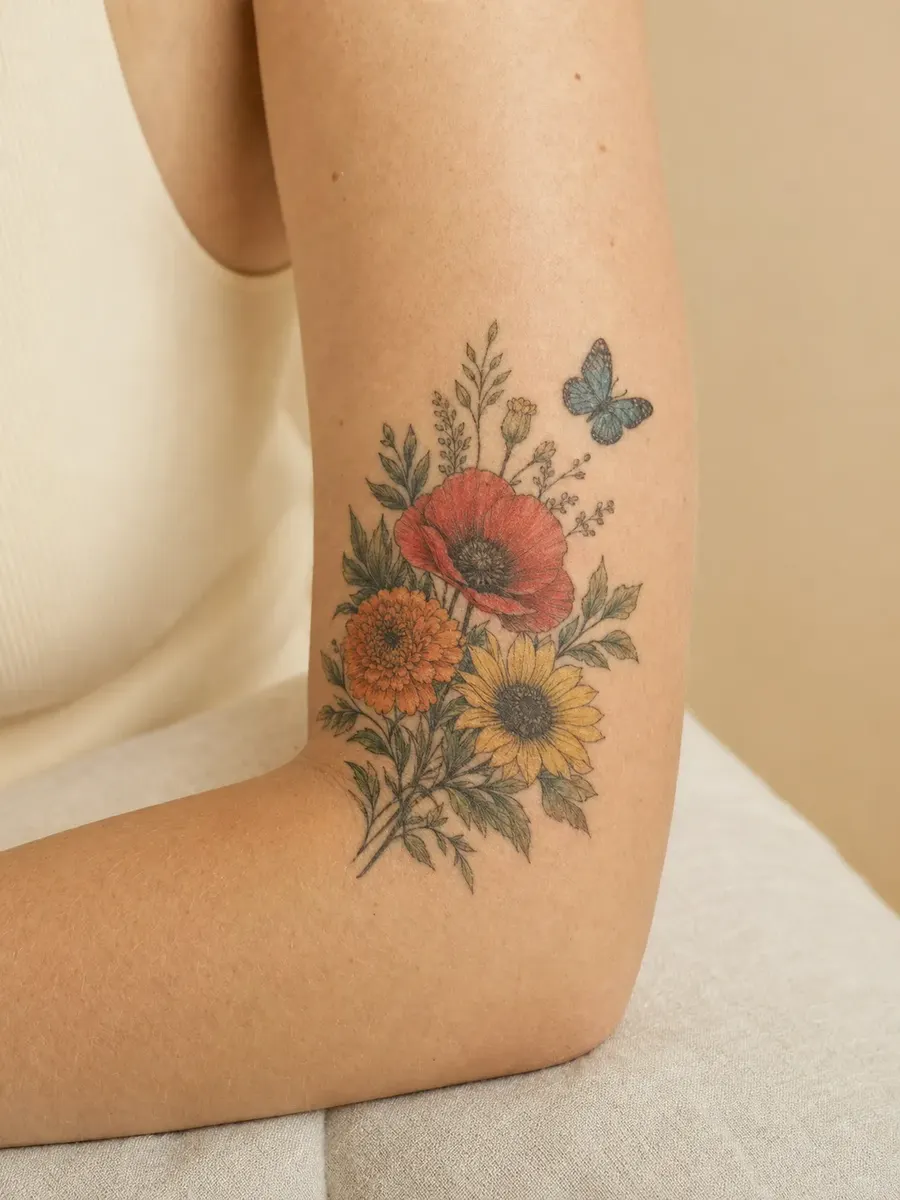
Black fades most easily. Red, orange, yellow, green and blue go through the colour handpiece, and more sessions. Why that is, and what to expect for a coloured tattoo.
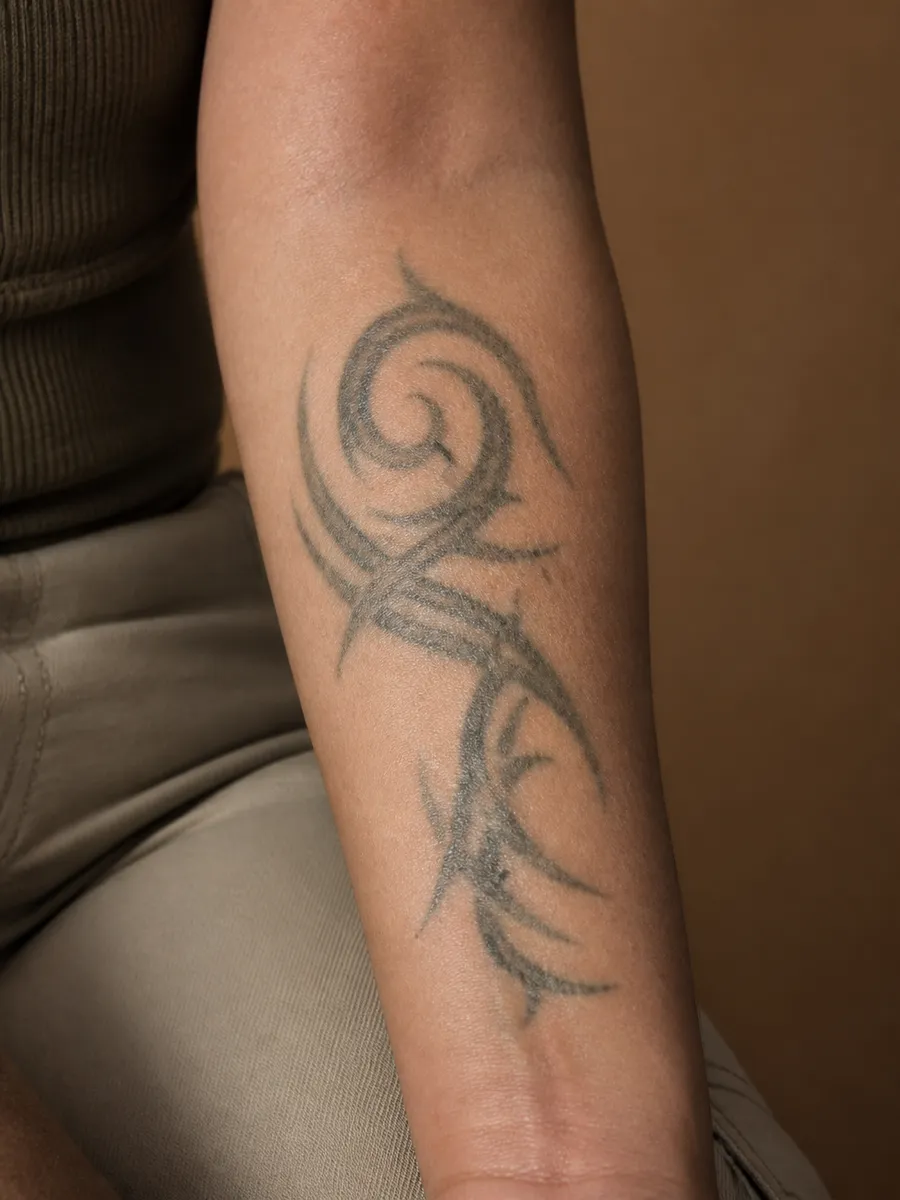
Laser tattoo removal in Laval: the device, who uses it, session count, price and what we turn down. Our answer to each one.
The best plan starts with an assessment. We look at your skin and answer your questions, no obligation.

Hi, I am Stella. Ask me about a treatment, a price or the clinic, and I will point you to the right place.
Stella answers from the site. She does not diagnose and does not book. The conversation stays 24 hours on this device, and the clinic keeps a copy.