Removing a New Tattoo: When to Start Laser, Without Harming the Skin
Regret a brand-new tattoo? Why we wait for the skin to heal before the first laser session, and how the date is set at your assessment.

Laser before a cover-up gives the new design more room. How many sessions to aim for, what we don't promise, and what to tell your tattoo artist.
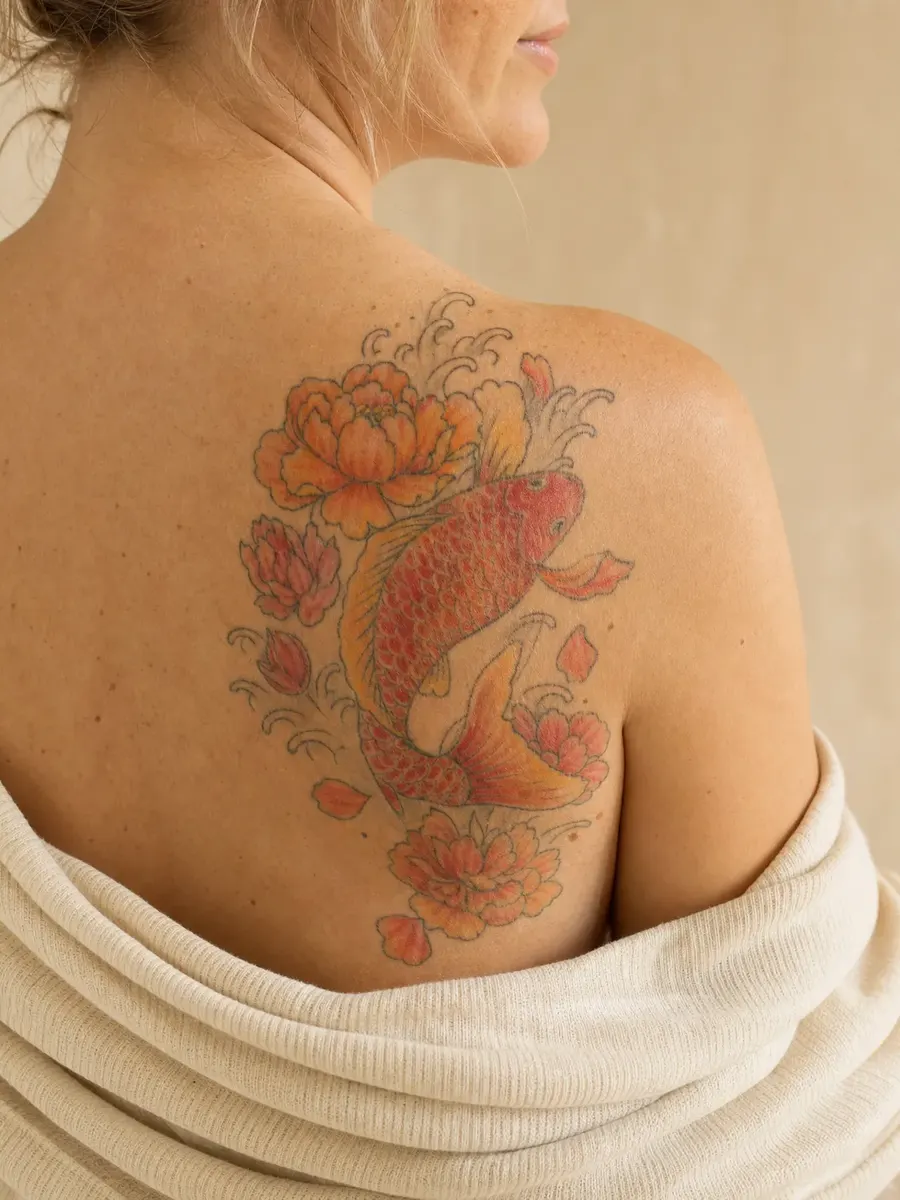
Yes, running the laser before a cover-up can help: by fading the old ink, you give the new design more room. How many sessions? Fewer than a full removal, but we won't give you a number before we've seen your tattoo. And your tattoo artist decides whether the base is light enough for their project.
Here is why we fade, what it changes for the new design, and what to tell your tattoo artist before the first needle.
Covering a tattoo means tattooing over ink that stays in the skin. The artist has to work with what is already there: the darker and denser the old design, the less room there is for light shades or fine detail. That is their craft, and they are the one who judges whether the old tattoo can be covered as is.
When they think the base is too dark, they may suggest fading it first. Here are the three paths, side by side:
| Cover as is | Fade, then cover | Remove completely | |
|---|---|---|---|
| Laser sessions | None | A few, number set at the assessment | Most often 8 to 10, sometimes more |
| The old design | Stays whole under the new one | Stays, in a paler version | Goes as far as possible, with no guarantee of complete removal |
| Freedom for the new design | Dictated by the old tattoo | Greater, depending on the result | The greatest |
| Pace | Your tattoo artist's calendar | One session every 6 to 8 weeks, then the skin heals | One session every 6 to 8 weeks |
The middle path is the one that serves a cover-up: we stop when the base suits your tattoo artist, not when the ink is gone.

The picosecond laser breaks the ink into particles small enough for your body to clear between sessions. According to the American Academy of Dermatology, a laser cannot safely break down all the layers of ink in a single session: it takes several, with time in between. To fade, we stop earlier in the course.
The number of sessions depends on the same factors as a removal: size, ink and its density, colour, depth. A fine line that the years have already softened probably needs fewer than dense black. We don't promise a number ahead of time, because there isn't one to give: it's set at the assessment, for your tattoo. The full course is described in our article on the number of sessions.
On colours, black and dark grey fade the most easily. Red, orange, yellow, green and blue go through our laser's colour handpiece, and yellow, green and blue take more time. White and pastels respond poorly, sometimes darkening: we tell you before the first session.
A paler base generally gives your tattoo artist more choice: lighter shades, finer lines, a less massive motif. What the new design ends up looking like is their work, and nothing is guaranteed there, especially if some of the old ink stays visible.
Layering also has a cost later on. In their 2022 review, dermatologists count the presence of a layered tattoo among the factors to understand before treating with a laser. If you think you might one day want the new tattoo removed, tell us at the assessment.
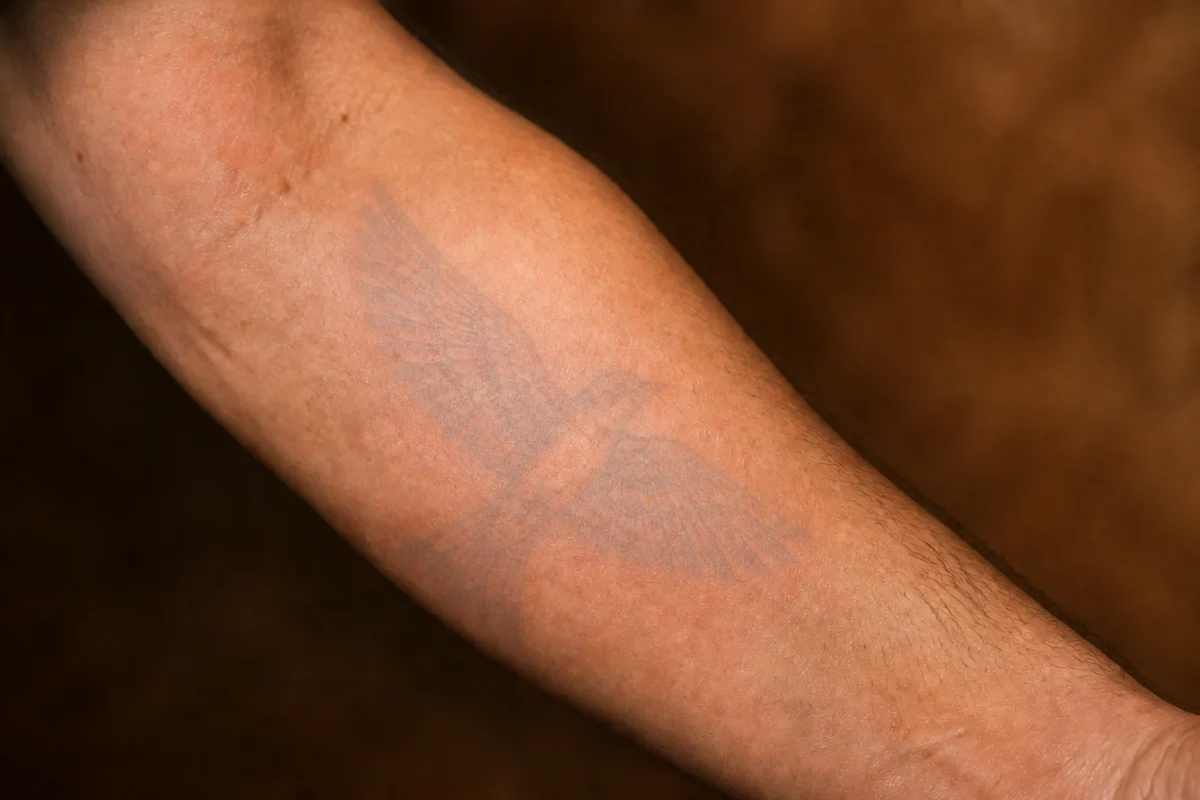
_Disclaimer: These photos are published for information purposes only, to provide information on the nature of the procedure. They in no way constitute a guarantee of results._
Your tattoo artist needs facts about your skin, not promises. Before your appointment with them:
At the assessment, we look at the size of the tattoo, its inks and their depth, then tell you how many sessions to aim for. You leave with:
If you're not sure yet whether you want to cover or remove, the unwanted tattoo page also covers the options beside laser.
A few laser sessions may be enough to give your tattoo artist room to work, but the number is set at the assessment, not before.
There is no fixed number. It is generally fewer than a full removal, which most often takes 8 to 10 sessions, but it depends on the ink, its density and your project. We give you a number to aim for at the assessment, with 6 to 8 weeks between sessions.
Not until the skin has finished healing. After a session, the area can be red, swollen or scabbed for a few days up to one or two weeks. The date of your new tattoo is confirmed with your tattoo artist and at the assessment.
The laser targets the ink while sparing the surrounding skin, which limits the risk, but a risk exists, especially if the area is picked during healing. Following the recommended aftercare protects the skin. How well your skin tolerates it is checked at the assessment.
No. Black and dark grey respond best. The other colours go through the dedicated handpiece and take more time, and white or pastel respond poorly. We give you a realistic picture at the assessment.
Regret a brand-new tattoo? Why we wait for the skin to heal before the first laser session, and how the date is set at your assessment.
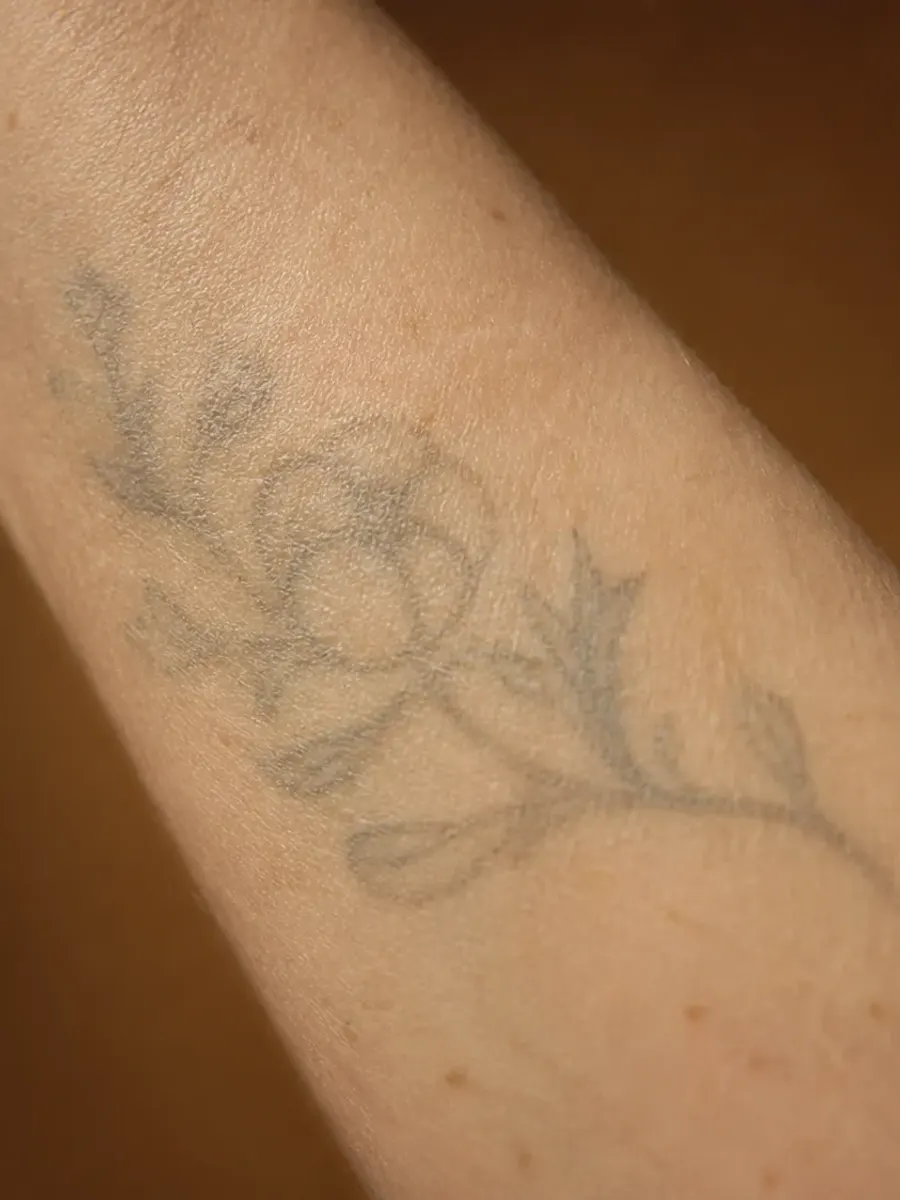
Picosecond, Q-switched, excision or dermabrasion: what each method does to the ink and the skin, and what a picosecond laser changes for your tattoo.
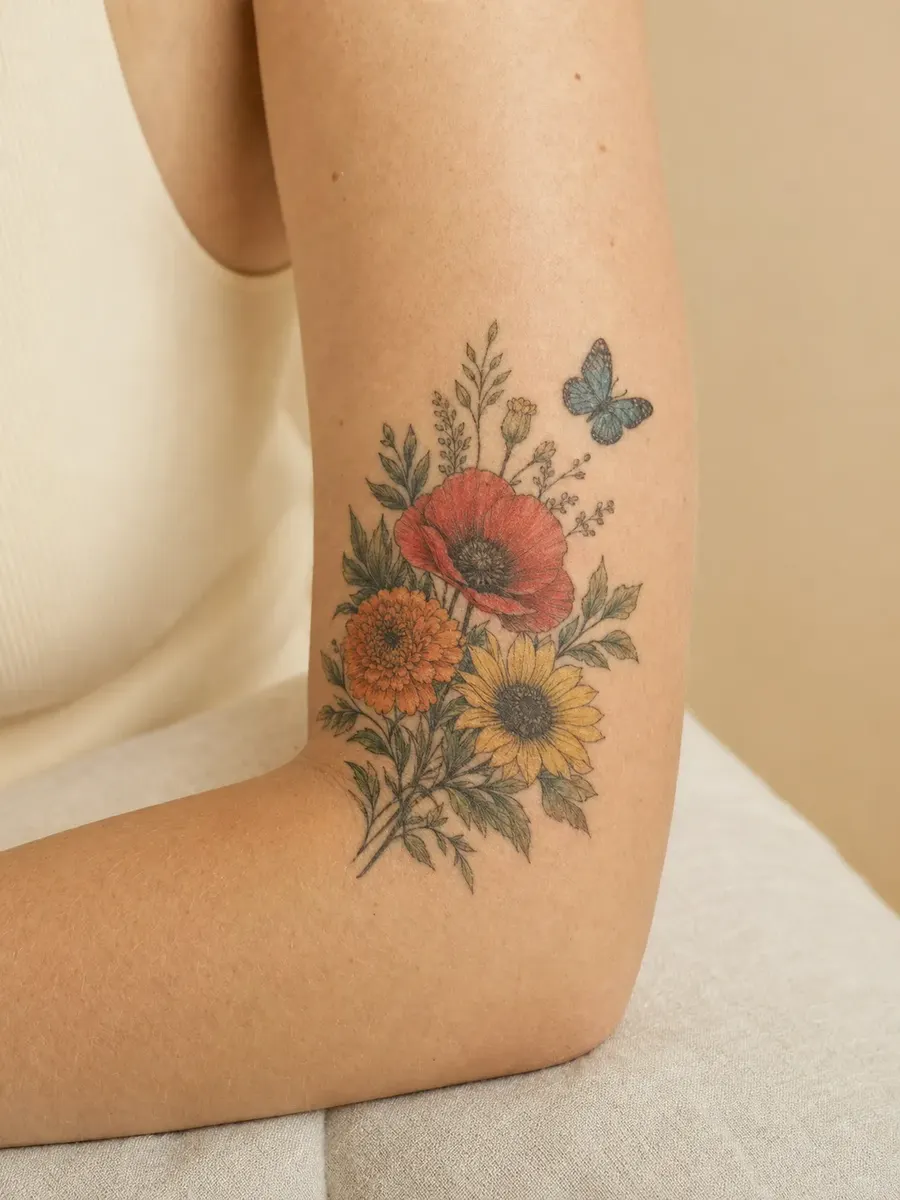
Black fades most easily. Red, orange, yellow, green and blue go through the colour handpiece, and more sessions. Why that is, and what to expect for a coloured tattoo.
The best plan starts with an assessment. We look at your skin and answer your questions, no obligation.

Hi, I am Stella. Ask me about a treatment, a price or the clinic, and I will point you to the right place.
Stella answers from the site. She does not diagnose and does not book. The conversation stays 24 hours on this device, and the clinic keeps a copy.