Losing More Hair in Fall? What's Normal and When to Get Checked
More hair in the brush since September? What one study measured about seasonal shedding, and the signs that call for a proper assessment.

Why combine PRP and exosomes in one hair protocol, how the session goes, and our programs that bring both together.
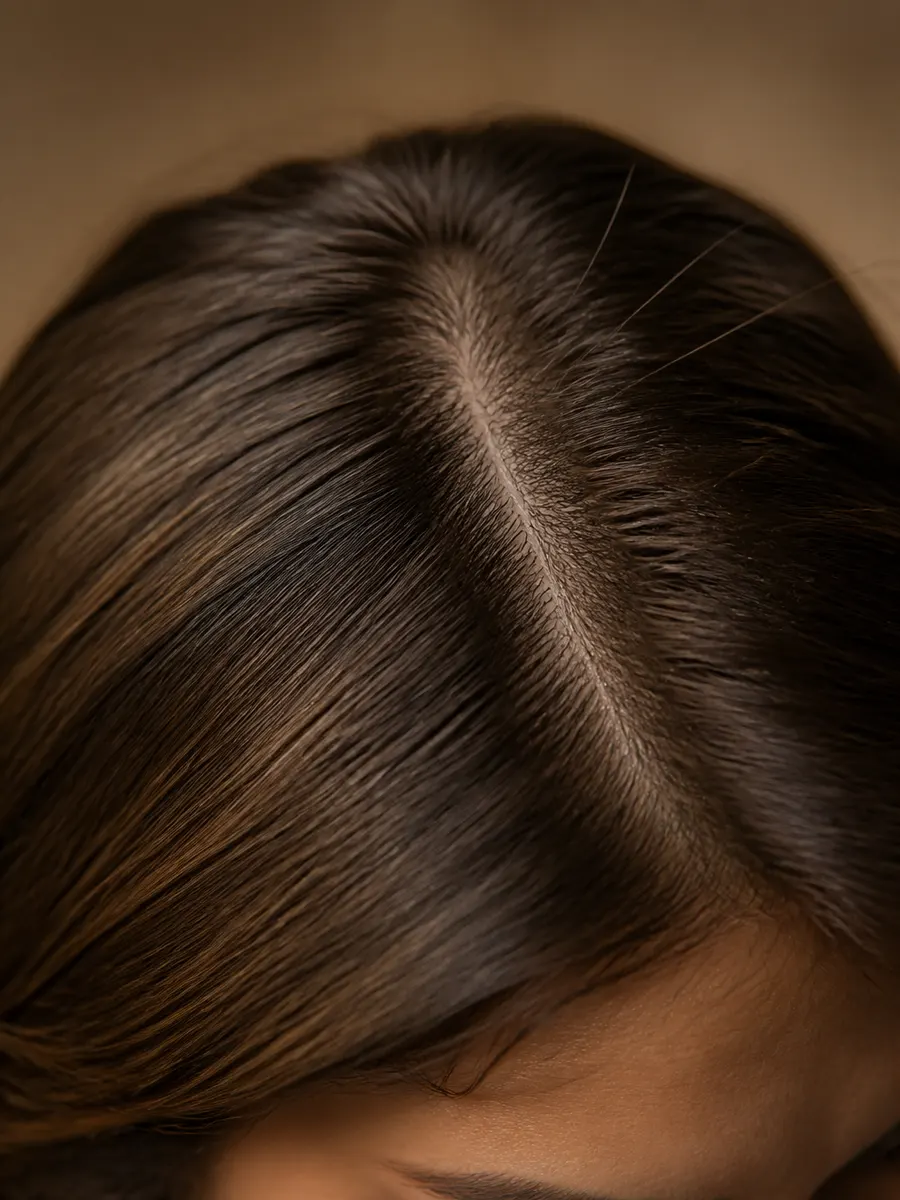
Exosomes are added to the platelets in your PRP to strengthen the signal sent to your cells. You keep the PRP, taken from your own blood, and add tiny messengers that amplify it. If you're starting from scratch, PRP is explained here.
Maybe you've heard of exosomes without really knowing what they are, or whether they're worth it. That's normal, the word is new to most people. Here's what they are, how the session goes and what to do afterwards.
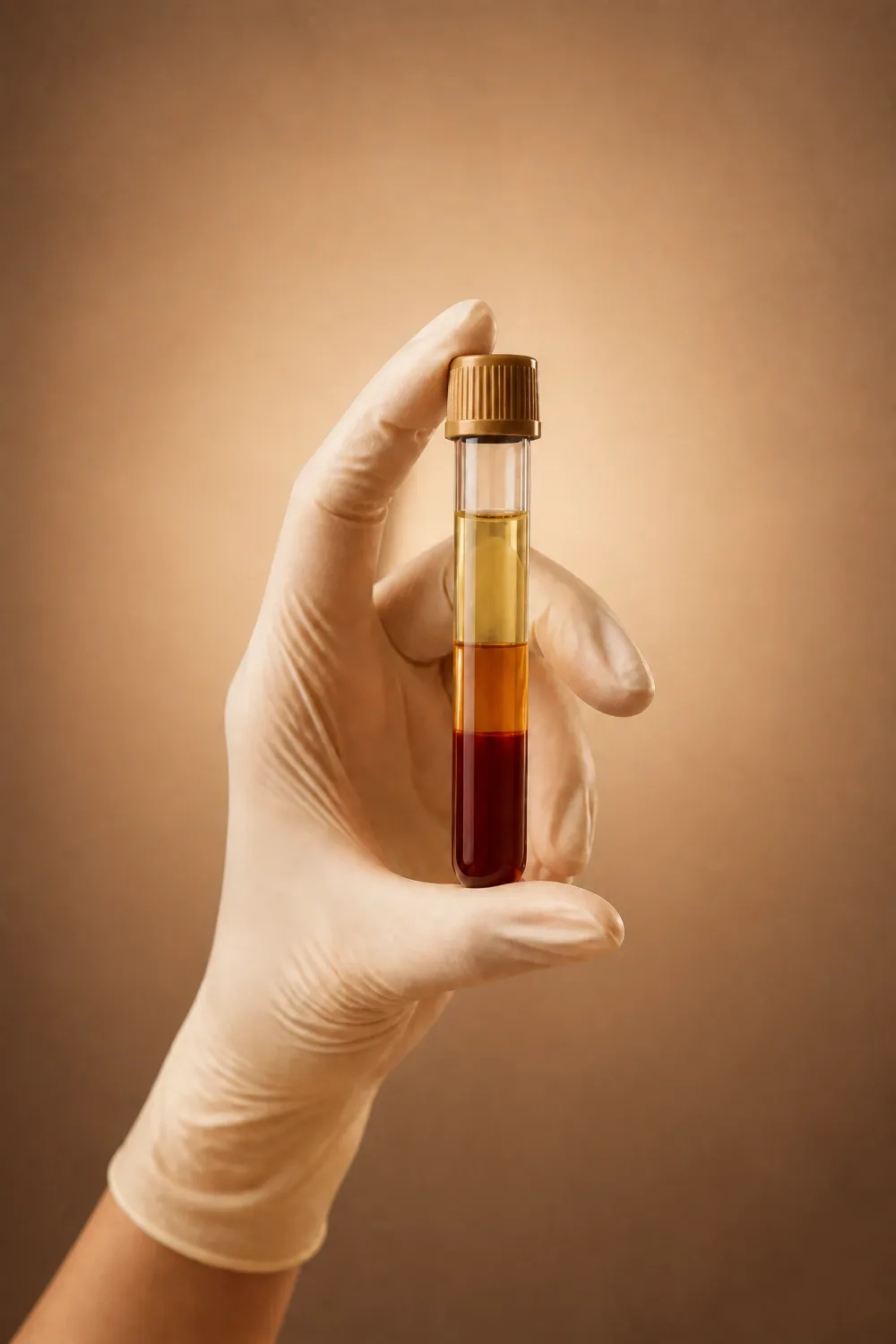
PRP comes from your own blood. We draw a small tube, less than for routine lab work, so nothing to worry about.
The tube then goes into a centrifuge, which separates the components of the blood. What interests us are your platelets, the small cells that help you heal when you cut yourself.
They're full of growth factors, which tell the skin to repair itself and produce collagen. With age, skin needs reminding, and that's the role of PRP.
Exosomes are tiny vesicles, invisible to the eye, that carry messages between your cells. A bit as if your cells were texting each other about what to do.
With age, communication between cells weakens, and exosomes amplify the signal.
The exosomes used at the clinic are synthetic.
We start by talking about what's bothering you.
Then we draw a little blood. Many people are surprised: "That's it? I expected worse."
While you wait, we prepare your PRP and the exosomes. It's a meticulous step, and we take the time it needs.
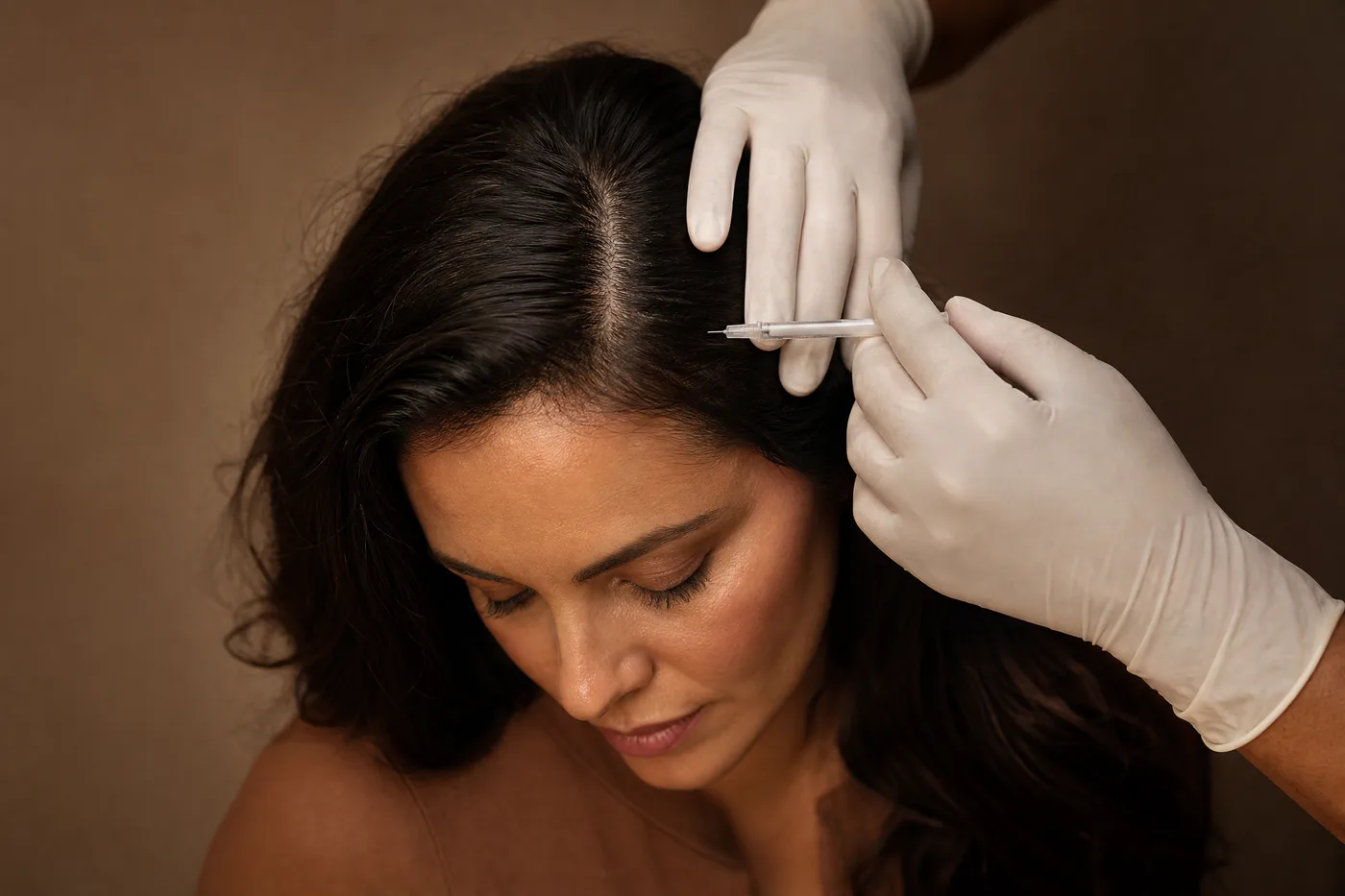
Then comes the application. Does it hurt? You'll feel something, but it stays tolerable. We cover it in detail in this article.
The injections are done by one of our nurses, since anything that goes through a needle is their job.
The result doesn't show the next day. Your body has its own pace, and the work happens over several weeks.
Right after the session, the skin may be red. That's normal.
In the days that follow, you go back to your activities. There's nothing to hide, and some people come in over their lunch hour.
In the following weeks, the work happens without you seeing it. Cells communicate and regenerate, and the result appears little by little.
Go gently at first. Avoid rubbing and set harsh products aside.
Hydrate your skin and your body. Drink water throughout the day.
Protect yourself from the sun, even in winter and even on grey days. It's what best protects your investment.
Eat colourfully. Skin likes protein, berries and greens.
We're demanding about the quality of our products and equipment, and about team training. That's where the money goes.
We know how to say no. If a treatment isn't right for you, we'll tell you. We've already turned away people whose expectations went beyond what the device can do.
We pay attention to you, not just your skin, to your habits, your pace of life and what's on your mind.
"Does it hurt?" You'll feel something. Most people still find it easier than expected.
"How long does it take?" The session takes about an hour. The result evolves over time and depends on your age, your skin and your habits.
"How many sessions?" For most people, two or three sessions four to six weeks apart give a good result, then we move to maintenance.
"Is it natural?" PRP comes from your own body, and the exosomes used are synthetic.
A consultation commits you to nothing. We suggest what's realistic in your case, and we tell you when a treatment isn't right for you.
The best compliment, for us, is when the people around someone we've treated tell them "you look well", without guessing they've had injections.
To place your case on the hair side, start with our hair page.
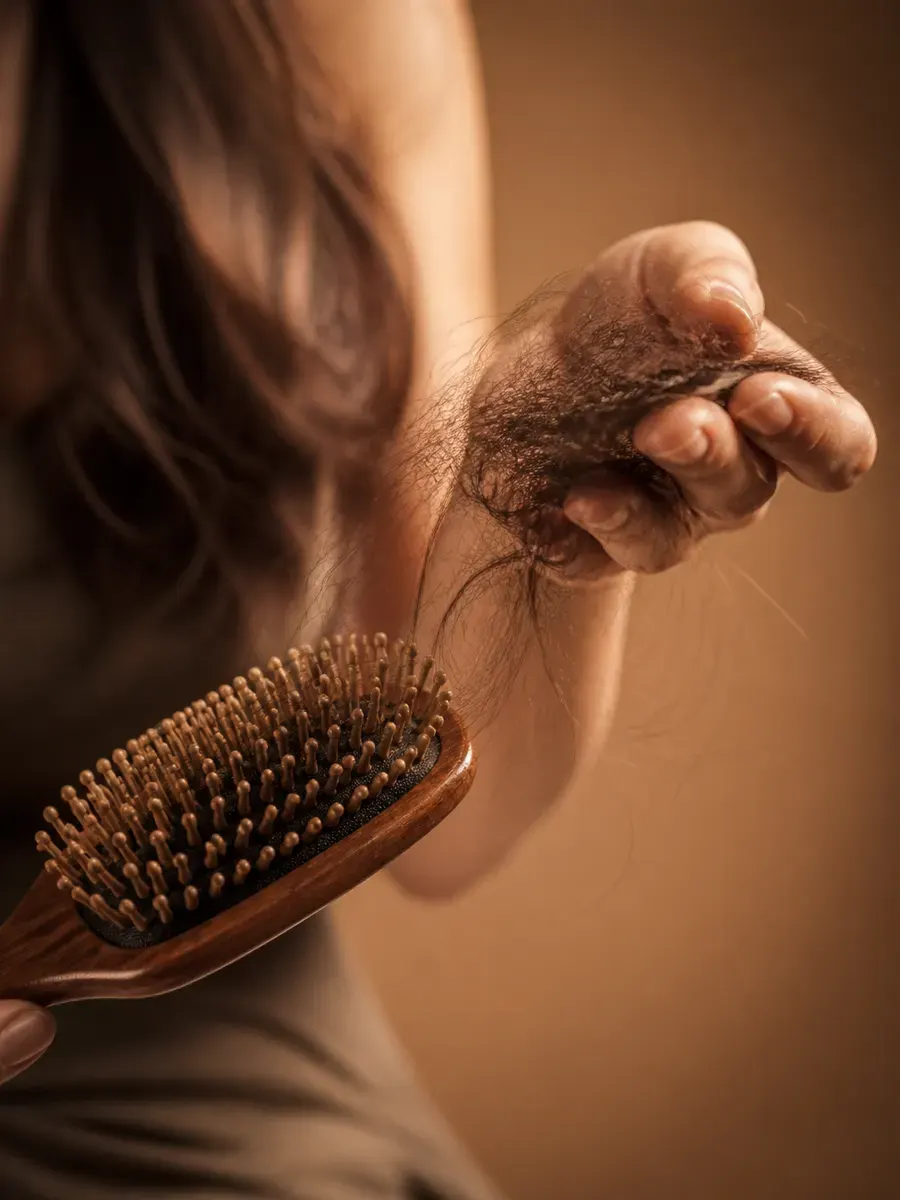
More hair in the brush since September? What one study measured about seasonal shedding, and the signs that call for a proper assessment.
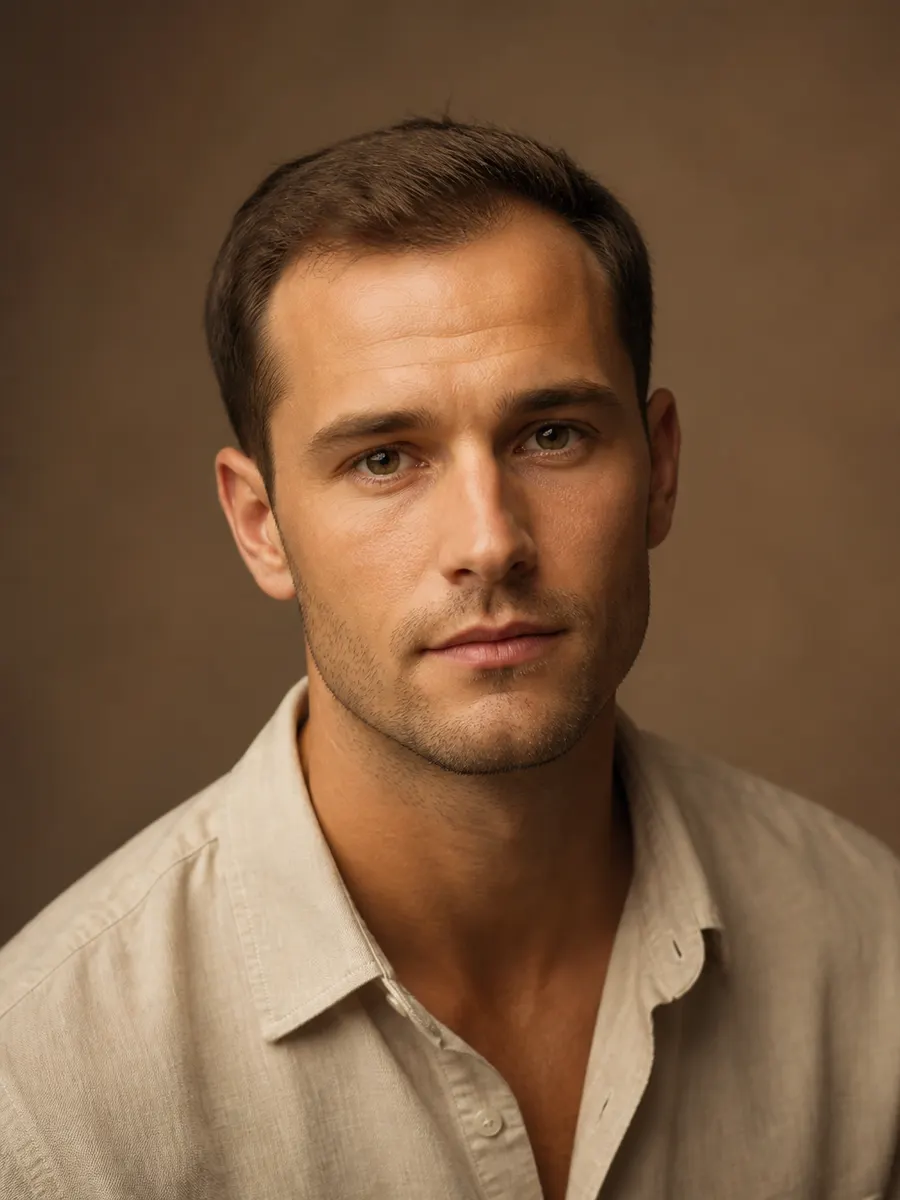
Temples receding in your twenties? What the AAD says, what changes depending on the stage, and how DC Prime works while the follicle still responds.

Hair that falls out after childbirth usually grows back by itself. When to worry, what we check, and what DC Bloom can do if it doesn't.
The best plan starts with an assessment. We look at your skin and answer your questions, no obligation.

Hi, I am Stella. Ask me about a treatment, a price or the clinic, and I will point you to the right place.
Stella answers from the site. She does not diagnose and does not book. The conversation stays 24 hours on this device, and the clinic keeps a copy.