PRP and Exosomes Together: What the Combination Changes for Your Hair
Combining PRP and exosomes in one hair protocol: what exosomes add, and our programs that bring both together.

The truth about hair PRP discomfort: real sensations, comfort options and what to expect at Clinique DC.
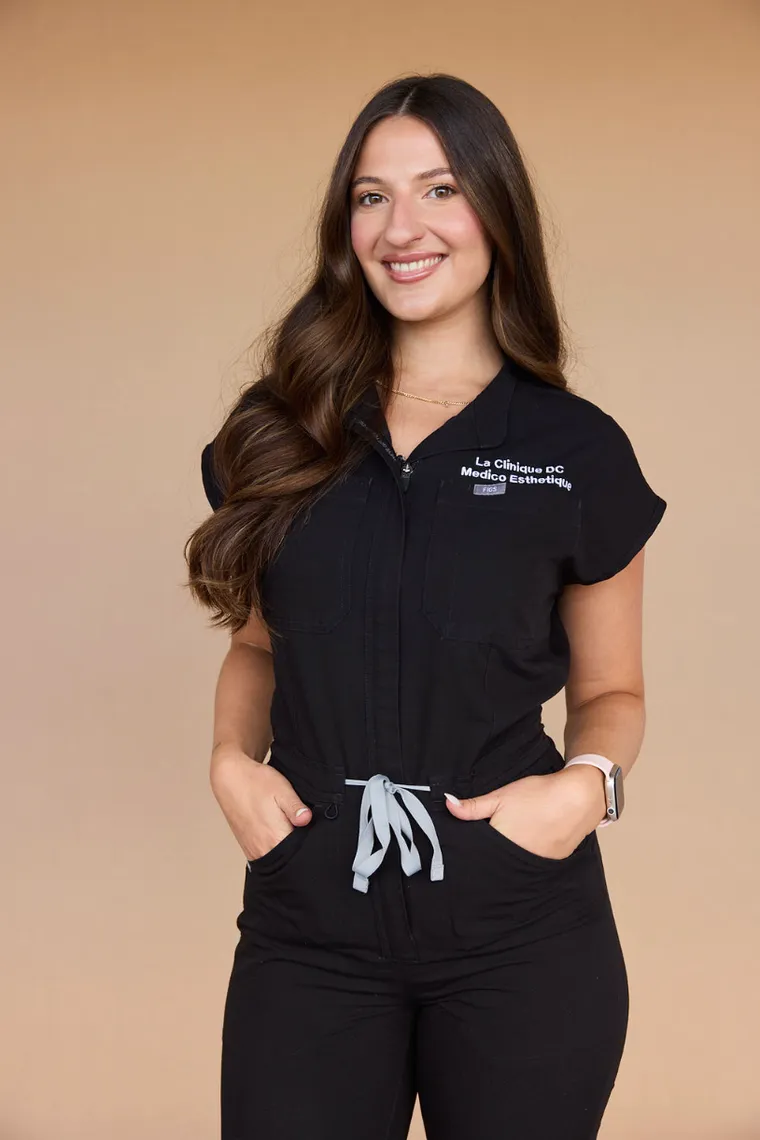

Honestly, not really. Most people put the discomfort between 2 and 4 out of 10: tingling, nowhere near unbearable. The principle of the treatment is on the PRP page.
The question comes up at every consultation, and rightly so: nobody wants to suffer to get their hair back. Here is the straight answer.
The intensity: between 2 and 4 out of 10 for most people.
The duration: 10 to 15 minutes, and it passes faster than you would think.
We work with mesotherapy needles, finer than a hair. It is the difference between a mosquito bite and an ordinary injection.
Unlike treatments that place a foreign, sometimes irritating substance, PRP comes from you. Your body recognizes it, and there is no inflammatory reaction to an unknown molecule.
One of our nurses performs the procedure. She knows where to place it, at what depth and with what pressure. Technique makes a real difference to how it feels, and it is the least visible reason for the comfort.
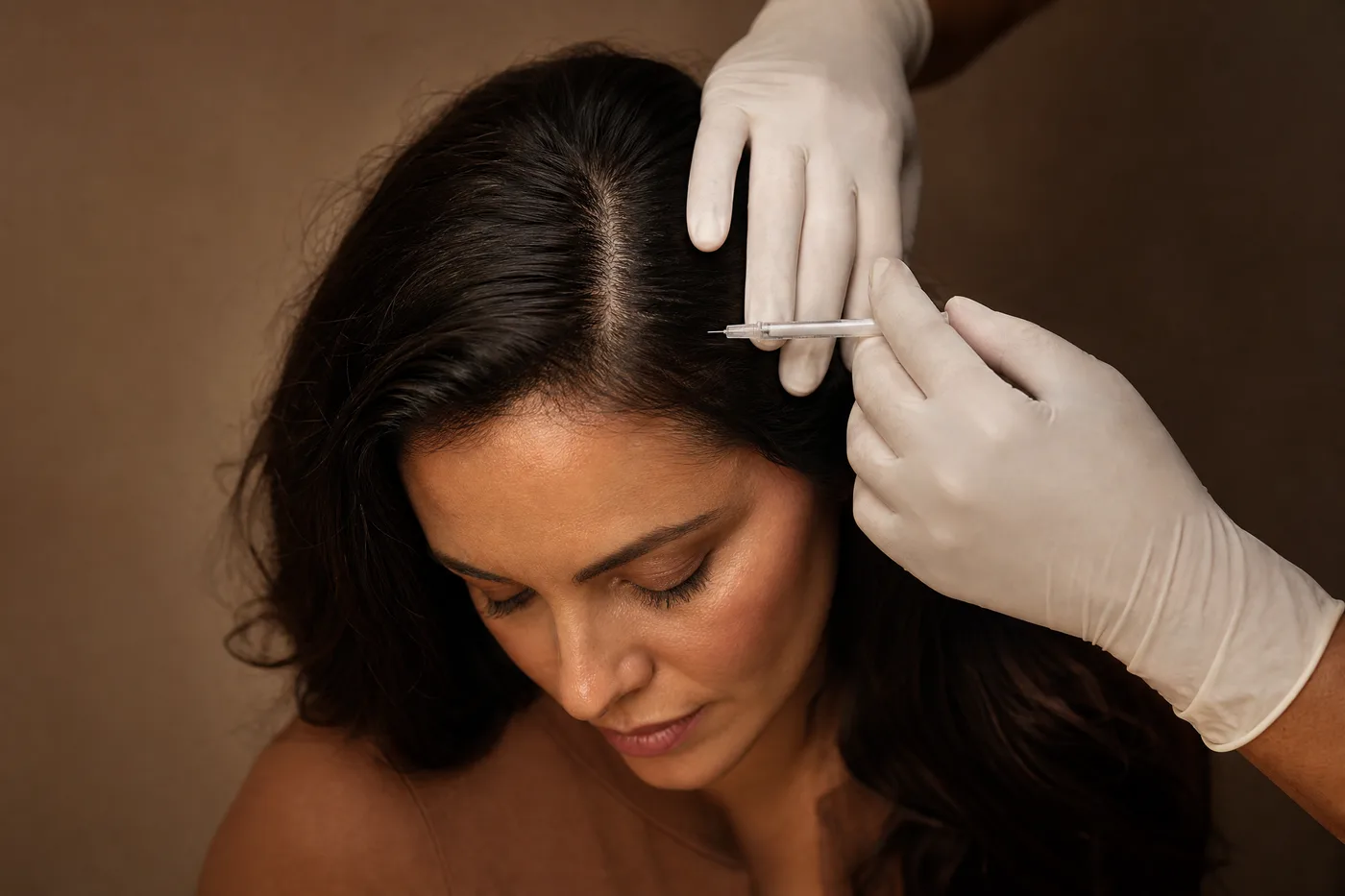
If you are apprehensive, if your threshold is low, or if it is your first session, we apply numbing cream about twenty minutes beforehand.
It makes sense if:
It is not automatic: many people skip it from the second session on, once they know what to expect. And if you want it every time, that is fine too.
Let us be transparent about what follows the session.
Scalp redness, normal and expected: slightly pink at the injection points, gone in two to six hours. The sensation is like the one that follows a vigorous scalp massage.
Slight swelling, occasionally: discreet, limited to the treated areas, and gone within hours.
A sensitive scalp, like after wearing a ponytail too tight. Avoid vigorous rubbing until it passes.
Small bruises, rare but possible: little bluish points that disappear in three to seven days.
Light itching, generally a good sign: the process is starting. Do not scratch, pat if needed.
Breathe slowly, talk with us, or listen to something. Distraction genuinely lowers the perception of pain, it is not just a phrase.

To ease the sensitivity: a cold compress for about ten minutes, no rubbing, and sleep on your back if you can.
What to avoid: harsh shampoos for 24 h, colouring for 48 h, and alcohol-based products on the scalp.
In those four cases, do not wait for your next appointment: call us.
Trained nurses, who perform the procedure themselves and know how to adapt it to your sensitivity.
A conversation first. If you are anxious, say so: it changes how we organize the session, and it is never a problem.
Follow-up after, for every question, including the ones that feel silly.
The phrase we hear most after a first session is "that's it?". The apprehension is almost always worse than the treatment itself.
That said, if the needle is genuinely what stops you, there is a no-injection route: laser followed by application of exosomes, explained in this article. Comfort is not a whim: someone who dreads every session does not finish their protocol, and it is the unfinished protocol that fails.
To place your case, start with our hair page.
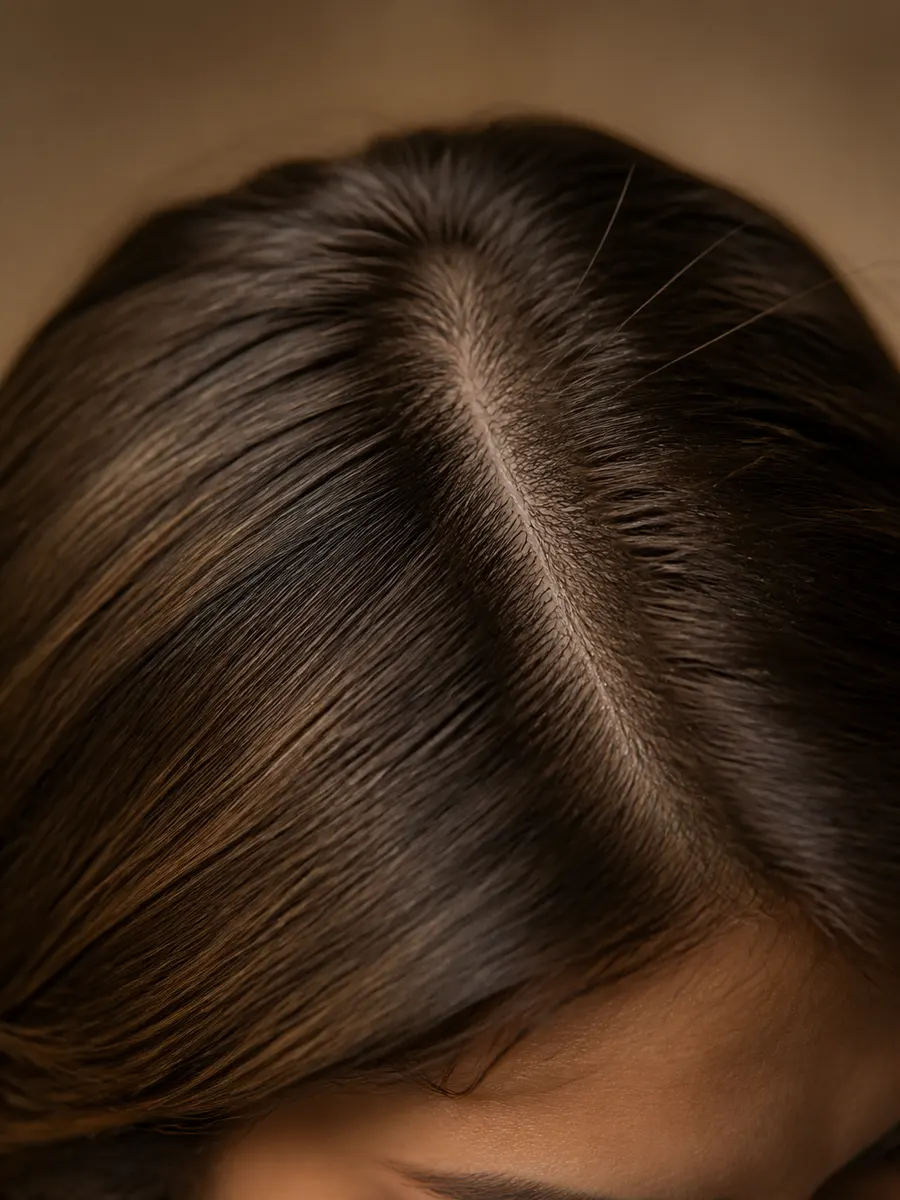
Combining PRP and exosomes in one hair protocol: what exosomes add, and our programs that bring both together.

PRP for hair reinjects your platelets’ growth factors to wake follicles that are still alive. Here is how it works, step by step.

The evidence on hair PRP is decent but variable. We explain honestly who it works on, and who it does not.
The best plan starts with an assessment. We look at your skin and answer your questions, no obligation.

Hi, I am Stella. Ask me about a treatment, a price or the clinic, and I will point you to the right place.
Stella answers from the site. She does not diagnose and does not book. The conversation stays 24 hours on this device, and the clinic keeps a copy.