Firming the Face Without Injections: What Works, and What It Can't Do
What heat, light and ultrasound can tighten without injecting anything, what none of them does, and how to tell whether you are a good candidate.

Too early, too late or right on time: how to tell whether facial radiofrequency suits you, and when only surgery answers.


You have read about radiofrequency and recognized yourself in the description. One question remains: is it too early for me, or already too late? The answer depends on the state of your skin, not your age.
Here is how to see it yourself, and what the assessment looks at next. We also say where the limit sits, because that saves everyone time.
Radiofrequency tightens the skin that is there. It removes nothing, and it invents nothing where there is nothing to tighten.
Stand in front of a mirror in daylight and look at three places:
The traction test helps too. Place two fingers in front of your ear and draw gently backward. If the oval redraws itself, part of the problem is skin tension, which is what heat can work on.

The table below links what you see to what answers best. It is a first idea, not a diagnosis.
| What you see | Does radiofrequency make sense? | What answers best |
|---|---|---|
| Firm skin, no laxity | Not yet: there is nothing to tighten | Surface treatments, sun protection, an assessment later |
| Softening oval, supple skin, good rebound | Yes, this is the right window | XERF, then upkeep |
| Clear laxity, skin starting to fold | May help, with a modest expectation | Decided at the assessment |
| Marked excess skin, deep neck folds | No, heat doesn't remove skin | Surgical consultation |
The research points the same way. According to Austin et al. (Lasers in Surgery and Medicine, 2022), satisfaction was higher among people who wanted modest rejuvenation. Araújo et al. (Anais Brasileiros de Dermatologia, 2015) find radiofrequency promising, but the level of evidence is low. So we don't promise a transformation.
If your skin is firm and the mirror shows nothing, we start nothing. A firming treatment with no laxity to treat is money spent too early. We'd rather tell you to wait, and see you again when it will be useful.
Here is the upper limit. When there is excess skin, radiofrequency can't remove it. It improves the hold of what remains, but a surgical facelift removes the extra skin and repositions the tissue. If that is your case, we tell you at the assessment, even if it means our device isn't the right choice. The difference between the two is detailed in radiofrequency or surgical facelift.
If what bothers you is a hollow (cheeks, temples) or an expression line, skin isn't the only cause either. What answers may be an injection, placed by a nurse, and you can also choose to stay injection-free: we then look with you at what is possible within that frame.
Some situations are validated at the assessment, before the first session: an implanted electronic device, a metal implant in the area, pregnancy, certain medications, damaged skin. We don't settle this in an article, and no one is cleared or ruled out in advance. Your skin tone and any history of injections are looked at there too.

Here is what the clinic tells you up front:
There is no right age. What counts is visible laxity and how the skin rebounds, which the assessment measures.
An implanted electronic device is validated before any session, at the assessment. We don't give a green light in advance.
Often yes, but the wait depends on the order of treatments and is confirmed at the assessment.
That is checked at the assessment, on your skin.
An honest referral, including a surgical consultation.
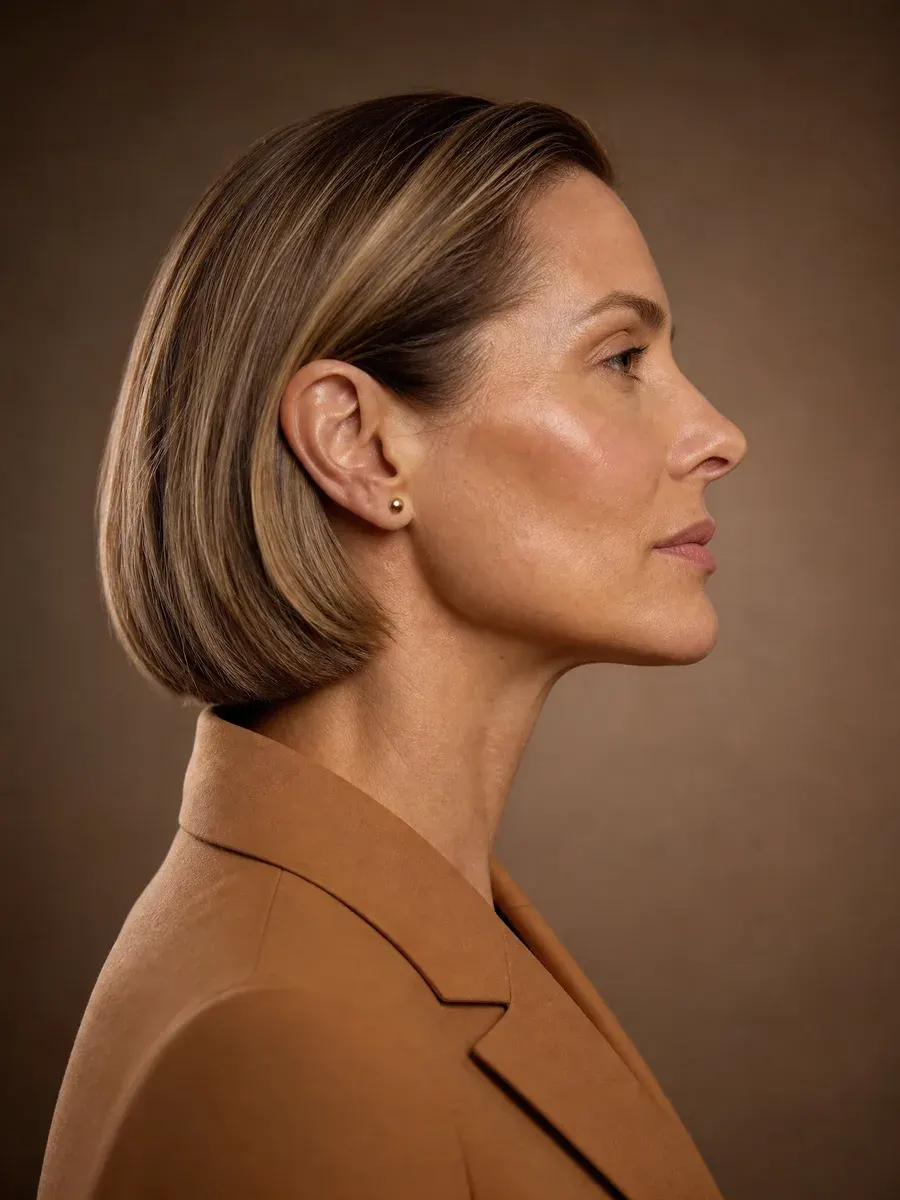
What heat, light and ultrasound can tighten without injecting anything, what none of them does, and how to tell whether you are a good candidate.
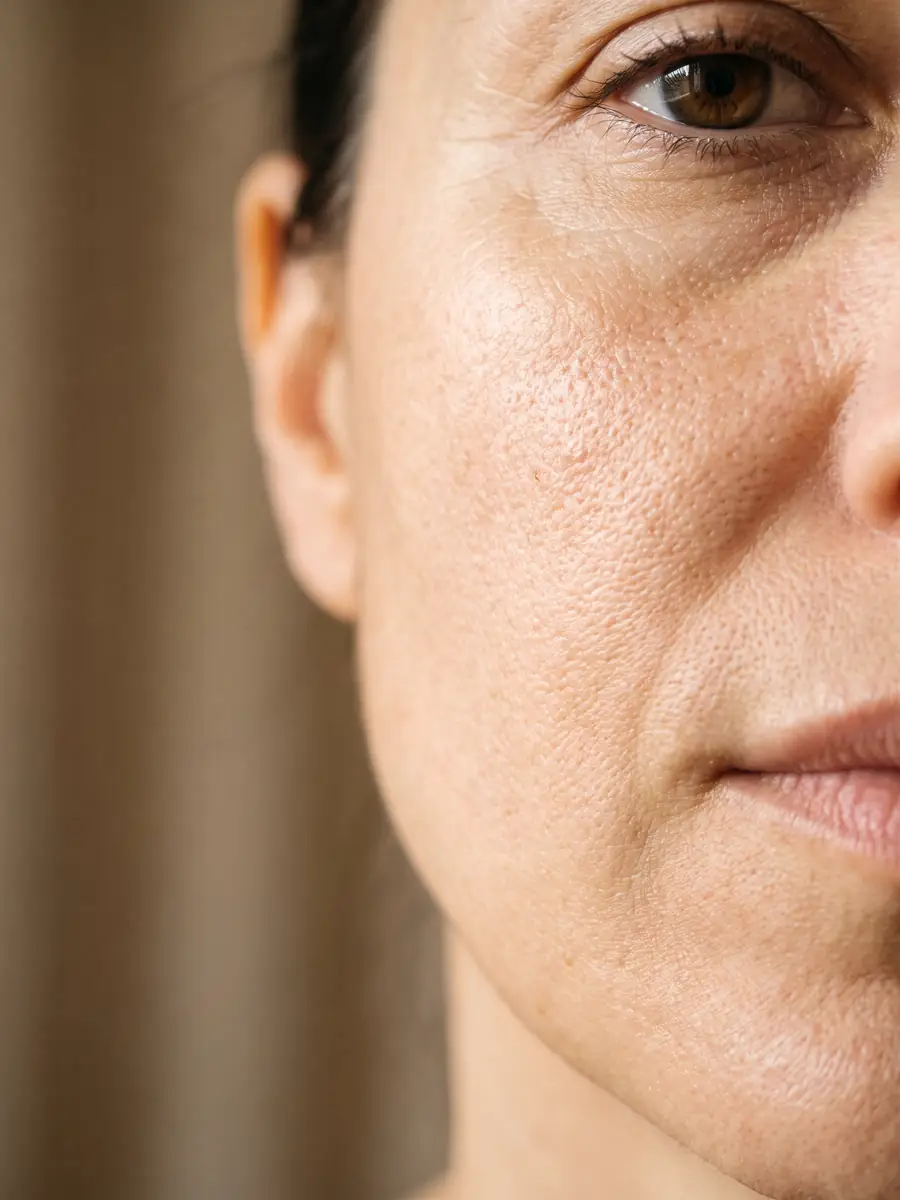
Needle-free radiofrequency firms the jawline and neck; microneedling radiofrequency rebuilds skin texture. How to tell which one is for you.

One clinic says one session, another says eight, and both can be right. It depends on the type of radiofrequency. Our schedule for XERF.
The best plan starts with an assessment. We look at your skin and answer your questions, no obligation.

Hi, I am Stella. Ask me about a treatment, a price or the clinic, and I will point you to the right place.
Stella answers from the site. She does not diagnose and does not book. The conversation stays 24 hours on this device, and the clinic keeps a copy.