Tighten, Relax, Resurface: What Order to Do Things In
How radiofrequency, injectables and laser fit together without cancelling each other out: the clinic's lead times and the logic behind them.

Brown spots more visible after summer: what the sun leaves on your skin, when to have a spot checked, and what November changes when you want to deal with them.

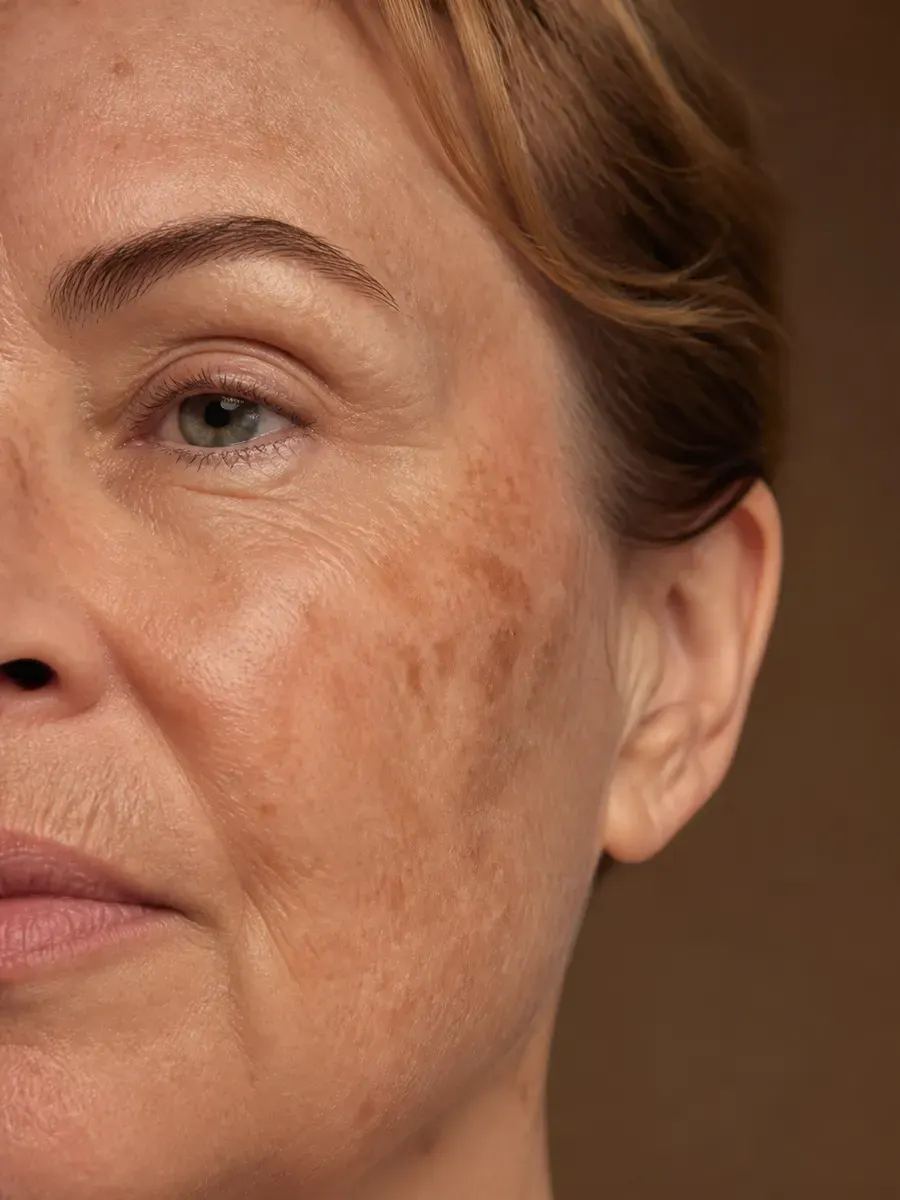
Do your cheeks, forehead or the backs of your hands look more marked than they did in May? It isn't in your head. After summer, brown spots that went unnoticed stand out, and some seem new.
Is it the sun, hormones, something else? No article online can tell you, ours included. Here we describe what you see on the skin, say when to see a doctor, and explain what the sun-free season changes when you want to deal with them.
Brown spots don't all look alike. Three looks come up often:
Recognizing your case in this list doesn't replace a medical opinion. It only gives you words to describe what you see.
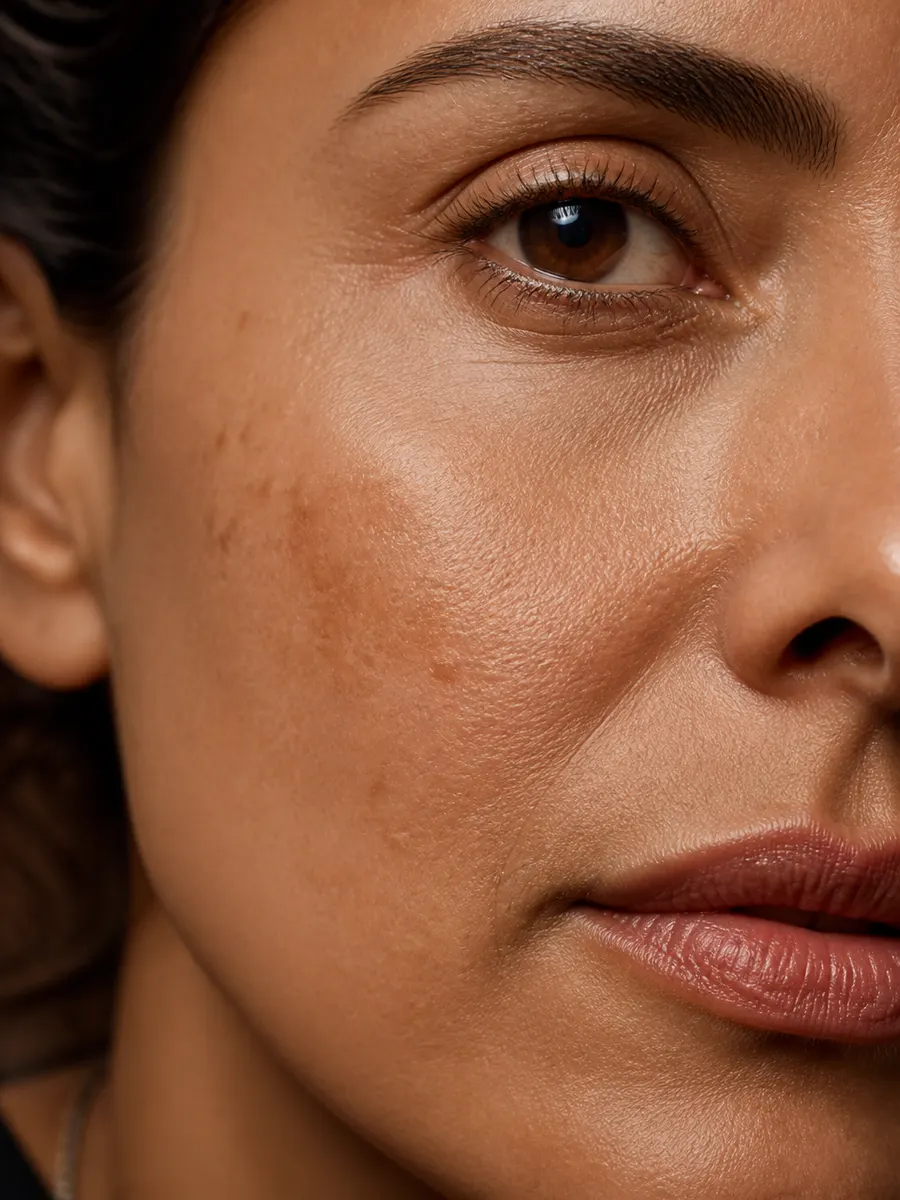
Sun stimulates the skin's pigmentation. Years of exposure leave deposits of melanin, the substance that colours skin, and summer brings them to the surface. Skin that tanned and then fades in September makes spots look more contrasted.
Without sun protection, they come back, even after a treatment. Keep that sentence in mind: it returns further down.
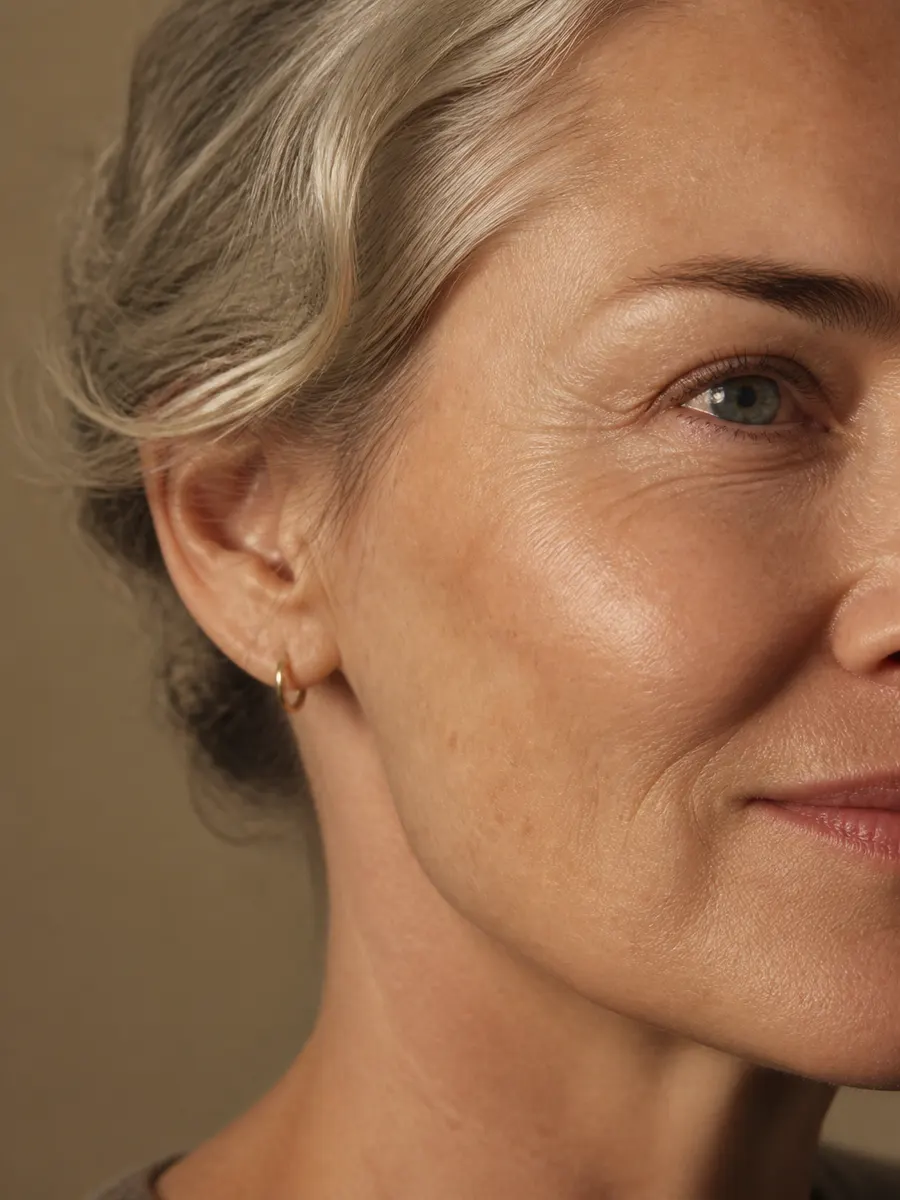
A spot that changes shape, colour or size isn't treated, it is shown to a doctor first. The same goes for a spot that bleeds, itches or stays raised. Only a doctor can say what it is.
A spot that changes shape, colour or size gets examined by a doctor before any treatment.
At Clinique DC, a medical esthetician fades brown spots. She doesn't diagnose. If a spot worries us at the assessment, we tell you and send you to a doctor before starting anything.
Let's be frank: no medical guideline says fall is "the" right time for a laser treatment. What we can say is simpler. There is less sun, so less risk of tanning between sessions.
And tanning matters. According to the Cleveland Clinic, you avoid tanning for the four weeks before laser resurfacing. Here, we wait two weeks after your last sun exposure before a laser treatment. Your situation is confirmed at the assessment: we look at the skin, not the calendar.
So November helps, without promising anything. Winter sun trips down south are planned along with the sessions.
A 2025 literature review (Lee et al., Life) notes that sun protection should last at least 3 to 6 months after a laser or light treatment. It is a narrative review with modest levels of evidence: it guides, it doesn't settle.
In practice, according to the American Academy of Dermatology:
Without this daily habit, the best device loses its work within a few weeks of sun. And yes, there is sun in November, especially on snow.
Four families of treatments exist to fade brown spots. All are done by a medical esthetician, after an assessment.
| Treatment family | What it aims at | What it doesn't guarantee |
|---|---|---|
| Picosecond laser | Targeted spots, one by one | That they won't return |
| Pulsed light (photorejuvenation) | Spots and redness, together | A spot gone in one session |
| Non-ablative laser (LaseMD Ultra) | Spots and skin texture | The same result for everyone |
| Peel | The surface of the skin | That it alone is enough for a deeper spot |
None guarantees a result, and none settles spots for good. Spots that darken with hormones and sun come back, which is why we tell you about follow-up up front. The choice of treatment depends on your skin, never on trends.
After a treatment, a brown mark can appear where the skin was heated. The Lee et al. review notes that these marks are more persistent in skin types III to VI, and the Cleveland Clinic lists very dark skin among those at higher risk.
If your skin is medium or dark, we explain it before the first session and proceed with care. It's decided at the assessment, not in an article.
Start by looking, then by having anything that changes examined. After that, if the spots bother you, the 3D skin analysis, at no charge at the consultation, shows the state of the surface and gives you a realistic plan. Nothing obliges you to book a treatment.
For more detail: the spots page sorts treatments by what bothers you, and the sun spots page explains how we fade them.
Sometimes they fade as the sun withdraws, especially those that darkened this summer. Those that come from accumulated sun stay, and they return without sun protection. A spot that changes gets examined.
Here, we wait two weeks after your last sun exposure before a laser treatment. Your case is confirmed at the assessment.
It isn't a medical rule. It's a convenience: less sun, so less tanning between sessions. Sunscreen matters as much, in every season.
You can't know on your own, and neither can we. A spot that changes shape, colour or size is shown to a doctor.

How radiofrequency, injectables and laser fit together without cancelling each other out: the clinic's lead times and the logic behind them.
Face laser before the holidays: how many weeks before December to start, what redness to expect, and how to count back from your first party.
Fractional laser works on the surface of the skin, radiofrequency on its support. How to tell which one answers what bothers you, and in what order.
The best plan starts with an assessment. We look at your skin and answer your questions, no obligation.

Hi, I am Stella. Ask me about a treatment, a price or the clinic, and I will point you to the right place.
Stella answers from the site. She does not diagnose and does not book. The conversation stays 24 hours on this device, and the clinic keeps a copy.