PRP and Exosomes Together: What the Combination Adds for Your Hair
Why combine PRP and exosomes in one hair protocol, how the session goes, and our programs that bring both together.

PRP comes from your blood, exosomes skip the blood draw. What sets them apart, what studies say, and how we choose with you.
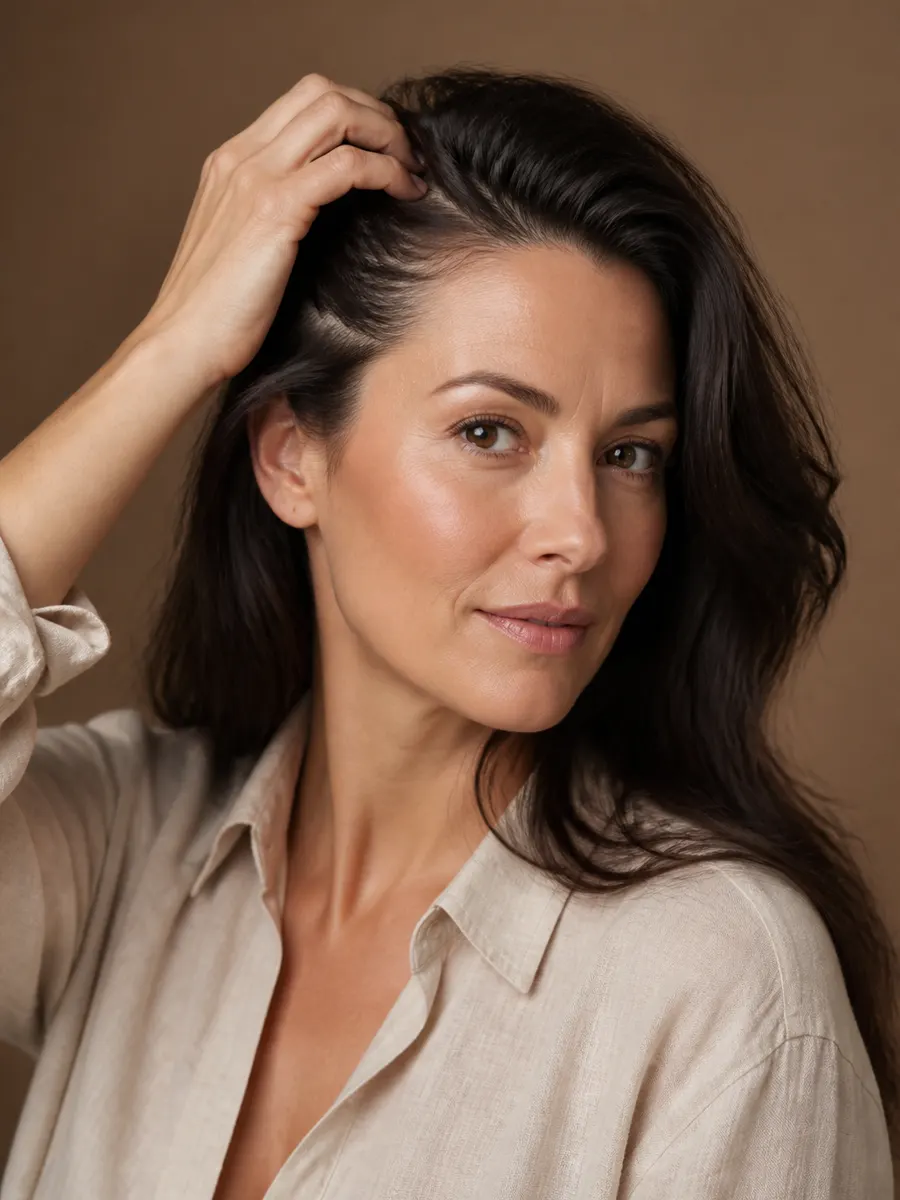
Do you have to choose between PRP and exosomes? Often, no. They're two ways of acting on the same follicle, and in many cases we combine them. PRP starts from your own blood; exosomes skip the blood draw, but they have a shorter scientific track record.
You see your part getting wider or more scalp showing under the bathroom light, and you read these two words everywhere without knowing which one applies to you. We get that it's confusing. Here's what sets them apart, what you can expect from each, and how we choose with you in consultation.
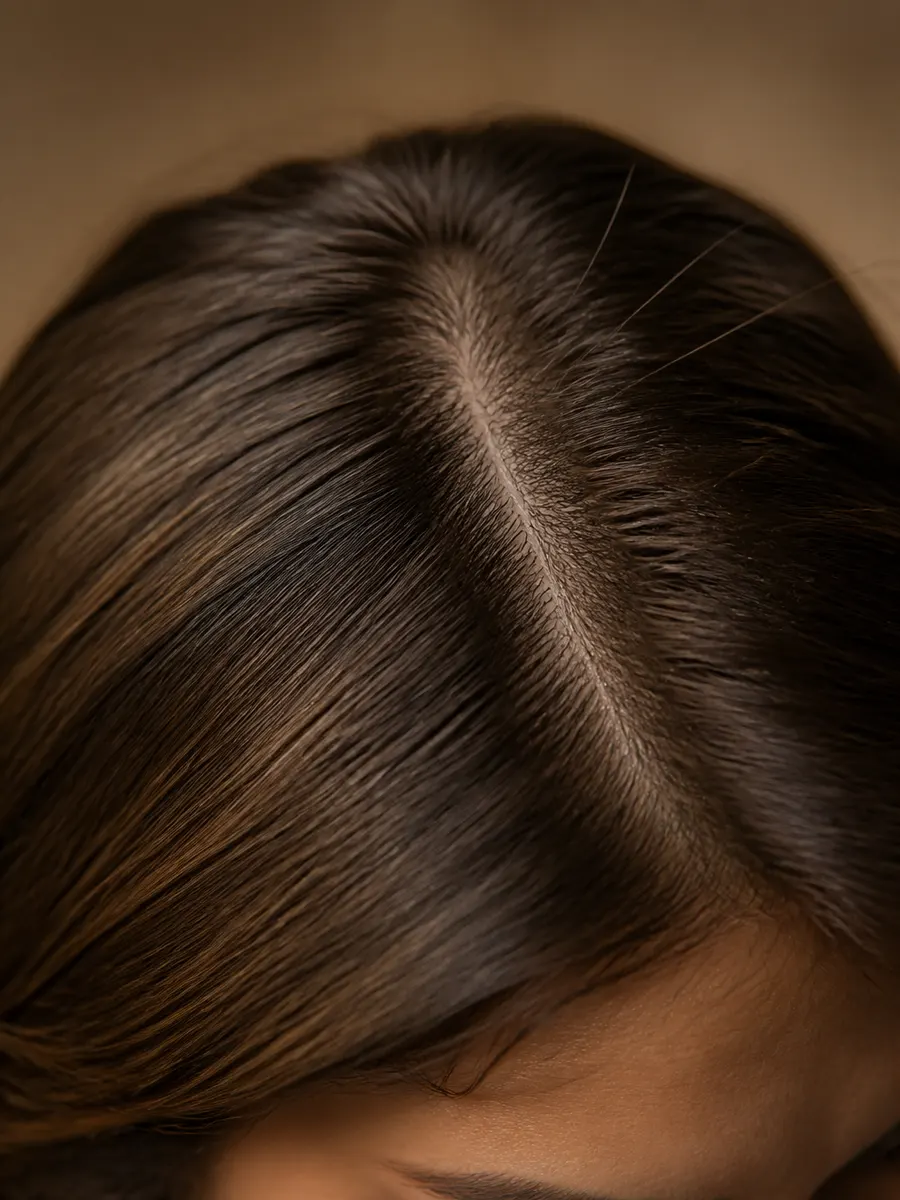
Hair doesn't fall out all at once. It miniaturizes: the follicle stays alive, but each cycle produces a finer, shorter and less pigmented strand. Density drops well before balding sets in.
Is that bad news? Not necessarily. As long as the follicle is still there, we can try to wake it up, and that's what PRP and exosomes aim to do, each in its own way.
Hair PRP starts with your own blood. We draw a small amount and spin it to concentrate the platelets, then place that plasma into the scalp, where the follicles need a signal.
Platelets naturally contain growth factors. The aim is to improve the follicle's environment and support microcirculation, so the hair's growth phase lasts longer.
The data on hair PRP is moderate but encouraging. Several studies show a measurable gain in density, especially when the treatment is repeated and then maintained. There's no guarantee, and the response varies from one person to another.
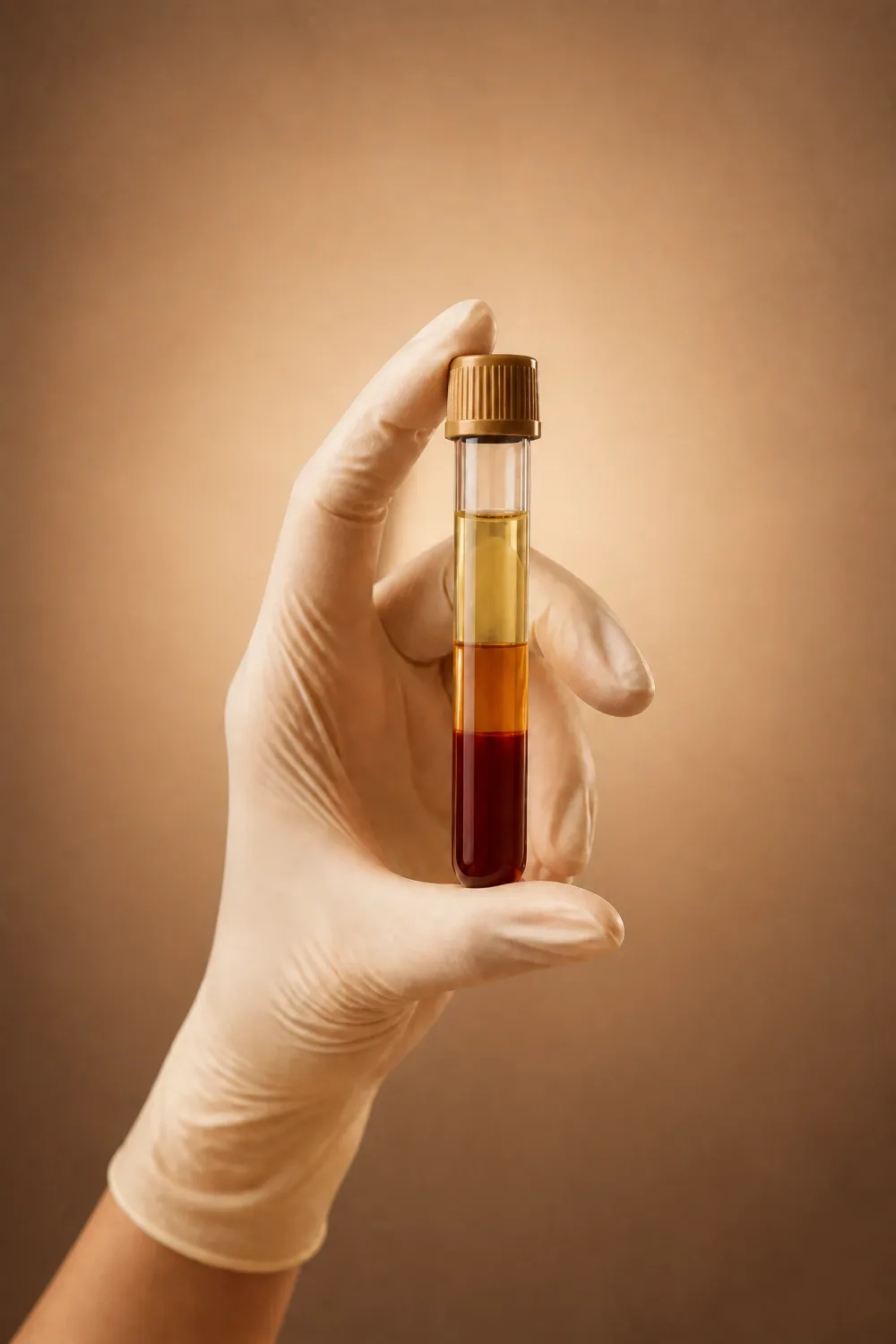
Exosomes are tiny vesicles that carry signals from one cell to another, such as growth factors and peptides. Placed into the scalp, they pass on a regeneration message without our having to draw anything from you.
The approach is more recent. Early results are promising, but there are fewer studies, and they're newer than those on PRP. We take it seriously, without presenting it to you as a miracle fix.
Which one is best? We'd rather ask which one suits you, right now. A few pointers:
Our hair programs follow that logic. DC-Bloom is designed for women, DC-Prime for men, and DC-Exo uses exosomes alone. Each program bundles a series of sessions rather than a one-off treatment, because hair responds better when it's treated regularly.

Longer than you'd like, and that's normal. We count in months rather than weeks, because a hair cycle is long: the first signs of density often show up after several sessions. If nothing shows after the first appointment, it doesn't mean it isn't working.
We don't suggest a program before we've seen your scalp. At the first visit, we look at density, the stage of miniaturization and your history, then tell you what you can reasonably expect in your case. If PRP isn't an option for you, we tell you that too, and we look together at whether exosomes alone make sense.
Why combine PRP and exosomes in one hair protocol, how the session goes, and our programs that bring both together.

Hair PRP concentrates the growth factors in your platelets and places them back into the scalp to wake follicles that are still alive.

It depends mostly on the stage of the loss. What studies show on hair PRP, who it works best for, and when it isn't enough.
The best plan starts with an assessment. We look at your skin and answer your questions, no obligation.

Hi, I am Stella. Ask me about a treatment, a price or the clinic, and I will point you to the right place.
Stella answers from the site. She does not diagnose and does not book. The conversation stays 24 hours on this device, and the clinic keeps a copy.