Double Chin: Fat or Loose Skin? The Question That Decides the Treatment
Two problems that look alike under the chin, two different treatments. How to tell them apart in a mirror, and what radiofrequency doesn't do.

Loosening skin and a receding jawline don't call for the same treatment. How to tell them apart, and when the two go together.


In a profile photo, your jawline isn't as sharp anymore. Small jowls form on each side of the chin, and the transition between face and neck gets blurrier. That's what people call losing the jawline.
Two different things can cause it: skin that has lost its hold, or a structure that has lost volume. The right answer depends on which one dominates for you.
This article helps you sort it out, before talking about treatments.
The signs people describe most often:
These signs often come together, but they don't all have the same origin.
The lower face rests on four layers that change with age:
| Layer | What changes | What you see |
|---|---|---|
| Skin | It loses collagen and elasticity | It holds its shape less well |
| Fat | It shifts and descends a little | It gathers along the jawline |
| Ligaments | They hold tissue less firmly | Tissue slides downward |
| Bone | The jaw and chin lose some volume | The starting line recedes |
When skin dominates, the jawline blurs because the envelope holds less. When bone and volume dominate, it blurs because the support has receded.
Three simple moves give you a lead:
This test doesn't replace an assessment, but it helps you ask the right question.

Skin that has lost its hold can be tightened with heat. Here, that means XERF radiofrequency: it heats the deep layers of the skin to contract collagen and restart its production. The effect starts right after the session and builds over a few months.
XERF is done in at least two sessions, 4 to 6 weeks apart, then a yearly upkeep. A 90 min session covers the full face and neck, for $1,500, taxes extra. According to the clinic, results can last 12 to 18 months after a full series, and they vary.
A 2026 study on another radiofrequency device (Kim et al., 26 people) measured an average 1.7 mL decrease in jowl volume at 20 weeks. The study had no control group, and its authors note the measurement reflects the skin's contour, not proven fat loss.
When the jaw and chin have lost volume, heat doesn't recreate what's missing. A dermal filler can redraw the line. Here, a physician decides at the mandatory medical consultation whether filler suits you and how much, and a nurse injects it.
The article on how many ml for the jawline explains what changes the volume. We won't repeat it here.

Adding product to skin that has lost its hold can weigh down the lower face instead of redrawing it. Volume is added, but the envelope holds no better.
Loosening skin gets tightened; a receding structure gets redrawn. Filling skin that sags weighs it down.
That's why we look at the skin before talking about volume.
Many faces have a bit of both. The two treatments then complement each other, at separate appointments, with lead times the clinic follows:
The order is confirmed at the assessment, based on what dominates. The full XERF details are on the XERF page.
When skin hangs in folds along the jawline or under the neck, no non-surgical treatment removes it. A plastic surgeon is the better answer at that degree of laxity, and we'll tell you so at the assessment. The page on neck and jawline laxity describes this concern.
It can soften them by tightening the skin, when skin is the cause. It doesn't remove fat or excess skin.
Yes, at separate appointments. If radiofrequency comes first, we wait at least 2 weeks before filler; the other way around, at least 3 to 4 weeks.
For XERF, according to the clinic, 12 to 18 months after a full series, with a yearly upkeep. For filler, it depends on the product and the area.
When skin hangs in folds, heat isn't enough. That's exactly what the assessment is for, before you start.
A slim face sometimes loses its jawline through the support rather than the skin. The mirror test helps, and the assessment decides.
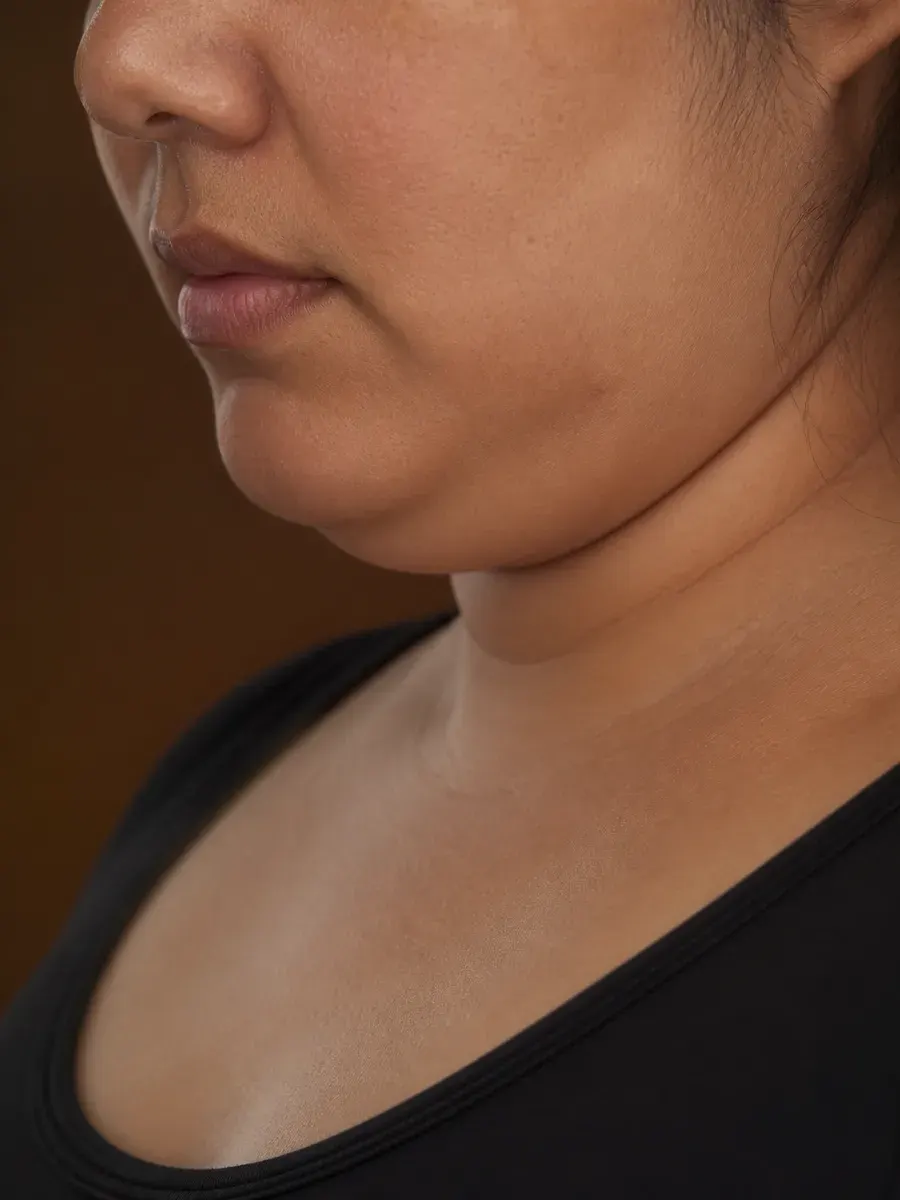
Two problems that look alike under the chin, two different treatments. How to tell them apart in a mirror, and what radiofrequency doesn't do.
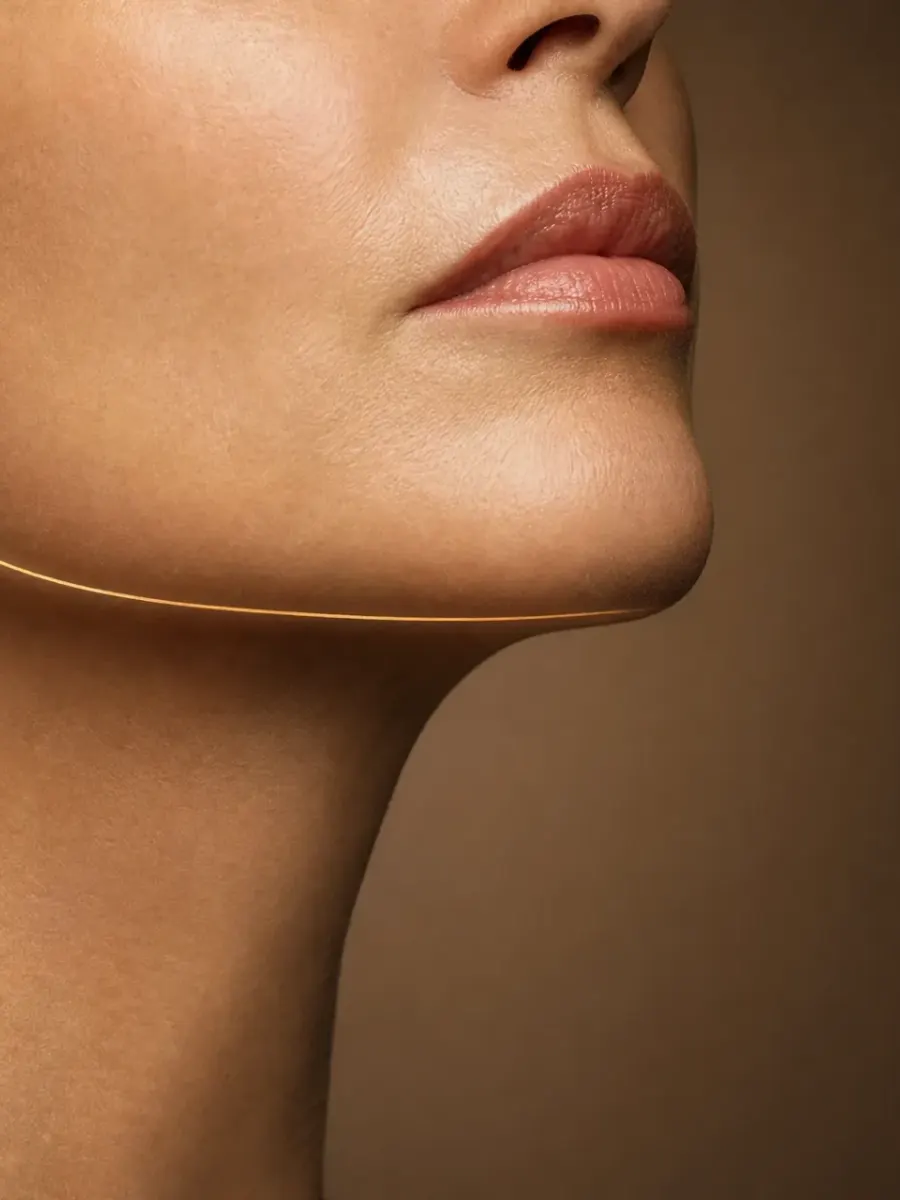
Threads reposition, radiofrequency tightens. What the literature reports on both, what Health Canada asks for, and what we don't offer.

Radiofrequency face tightening and downtime: what your skin shows when you leave, how long the redness lasts, and what the manufacturer does and does not promise.
The best plan starts with an assessment. We look at your skin and answer your questions, no obligation.

Hi, I am Stella. Ask me about a treatment, a price or the clinic, and I will point you to the right place.
Stella answers from the site. She does not diagnose and does not book. The conversation stays 24 hours on this device, and the clinic keeps a copy.