Microneedling or RF Microneedling: Which One Is Right for Your Skin
Both prick the skin with fine needles, only one adds heat in the dermis. Which to choose for grain, pores, scarring or looseness, and where to start.

No magic number: microneedling is done in a series, at the pace your skin renews itself. What decides how many sessions you will really need.


Microneedling is done in a series, and we don't set a total number of sessions in advance. What is set is the pace: one session every 4 weeks for classic microneedling, every 4 to 6 weeks for Potenza, which adds radiofrequency. The number depends on what you want to improve.
You want to plan, and that's normal: nobody likes committing to a series without knowing where it leads. Here is where that pace comes from, what changes the number of sessions, and what you'll see along the way.
You'll often see "3 to 6 sessions" on pages about microneedling. We looked for where that figure comes from and found only commercial pages, no independent source that sets it for everyone.
Serious sources put it differently. Cleveland Clinic writes that most people need multiple treatments, usually 3 to 8 weeks apart. A review published in Cureus in 2024 (Jaiswal and Jawade) says patients should be told that multiple sessions may be required to achieve optimal results. Neither gives a total.
The reason is simple: slightly dull texture and indented acne scars don't ask for the same thing. A single number would be wrong for one of them.
Microneedling opens fine channels in the skin with micro-needles, without injecting anything. According to the review by Alster and Graham (Dermatologic Surgery, 2018), this controlled wounding stimulates collagen production. The skin repairs itself, and that repair is what improves texture.
A session lasts 45 to 60 min. Redness lasts 24 to 48 hours. After a first session, the deeper work is only starting. Collagen is built slowly.
That's why we tell you not to judge the result after the first session. Little change at that stage is normal.
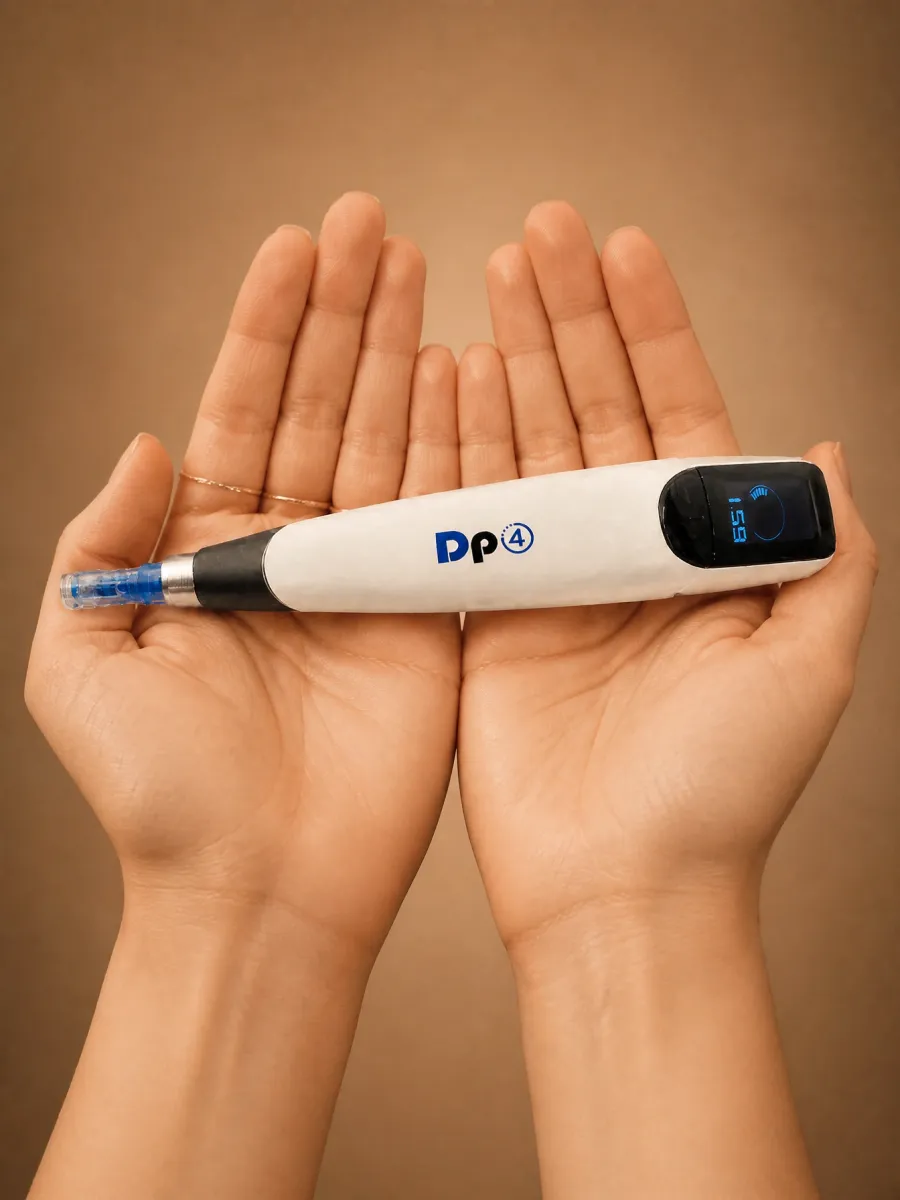
The spacing between sessions gives the skin time to repair and build collagen before the next one.
| Classic microneedling | Potenza (micro-needles and radiofrequency) | |
|---|---|---|
| Spacing | Every 4 weeks | Every 4 to 6 weeks |
| What the skin shows afterward | Redness for 24 to 48 h | Redness and mild swelling for 24 to 48 h |
| When you see the result | Gradual over a series of sessions | Gradual over a few weeks to 3 months |
| Total number of sessions | Set for your skin, not in advance | Set for your skin, not in advance |
Potenza adds radiofrequency heat, delivered by the needles themselves, which explains the slightly longer spacing. We compare the two in detail in our article microneedling or Potenza.
Four things mainly decide how many sessions you'll do:
These four are looked at during the assessment, with the 3D skin analysis. It serves as the baseline image to compare against later.
We don't set a number of sessions in advance: we set a pace, and we look at your skin at every appointment.
The change is gradual. It doesn't show all at once; it builds up. Cleveland Clinic states that it can take 3 to 6 months to see results.
At each appointment, your medical aesthetician looks at your skin before treating: what has changed, what remains, and whether the series should continue at the same pace. That's when the next step is decided, not on day one.
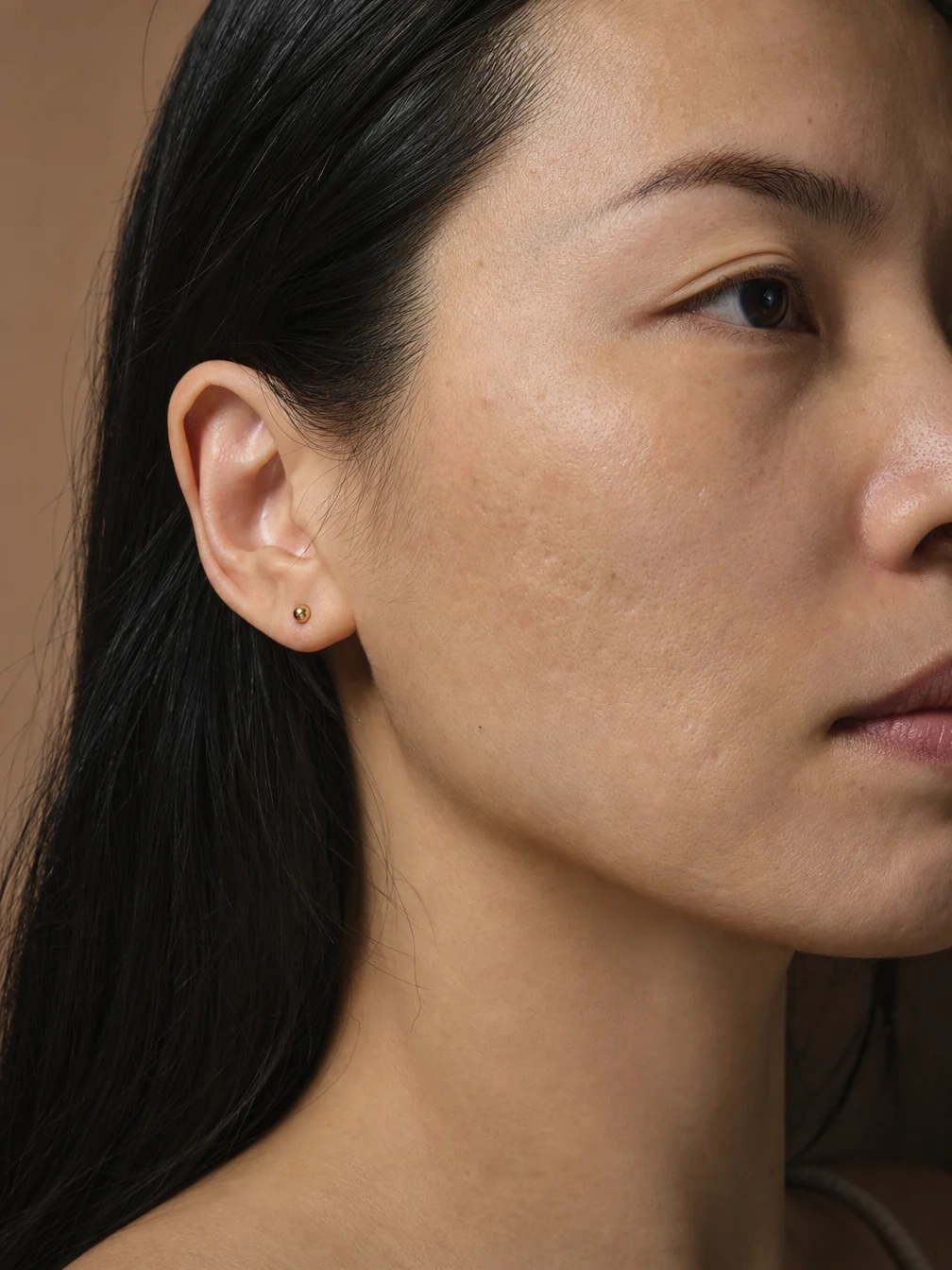
The result of a series is not permanent. Your skin keeps ageing, and collagen keeps renewing. Upkeep helps you keep what the series brought.
Cleveland Clinic mentions one maintenance session a year, if needed. The review by Jaiswal and Jawade writes that many patients benefit from maintenance every 6 to 12 months. We set yours with you, based on what the series achieved and what you want to keep.
If uneven texture is what brings you in, the page on skin texture explains where it comes from and what answers it.
Don't count on it. The deeper change takes a series, because collagen is built slowly. We don't judge the result after the first session.
No. Classic microneedling is done every 4 weeks, Potenza every 4 to 6 weeks.
The spacing exists to let the skin repair between sessions. If your calendar forces you to shift, talk to your medical aesthetician: she'll tell you how to resume the series.
No. Once the goal is reached, the series stops. Upkeep can then help keep the result, at a pace we set with you.

Both prick the skin with fine needles, only one adds heat in the dermis. Which to choose for grain, pores, scarring or looseness, and where to start.
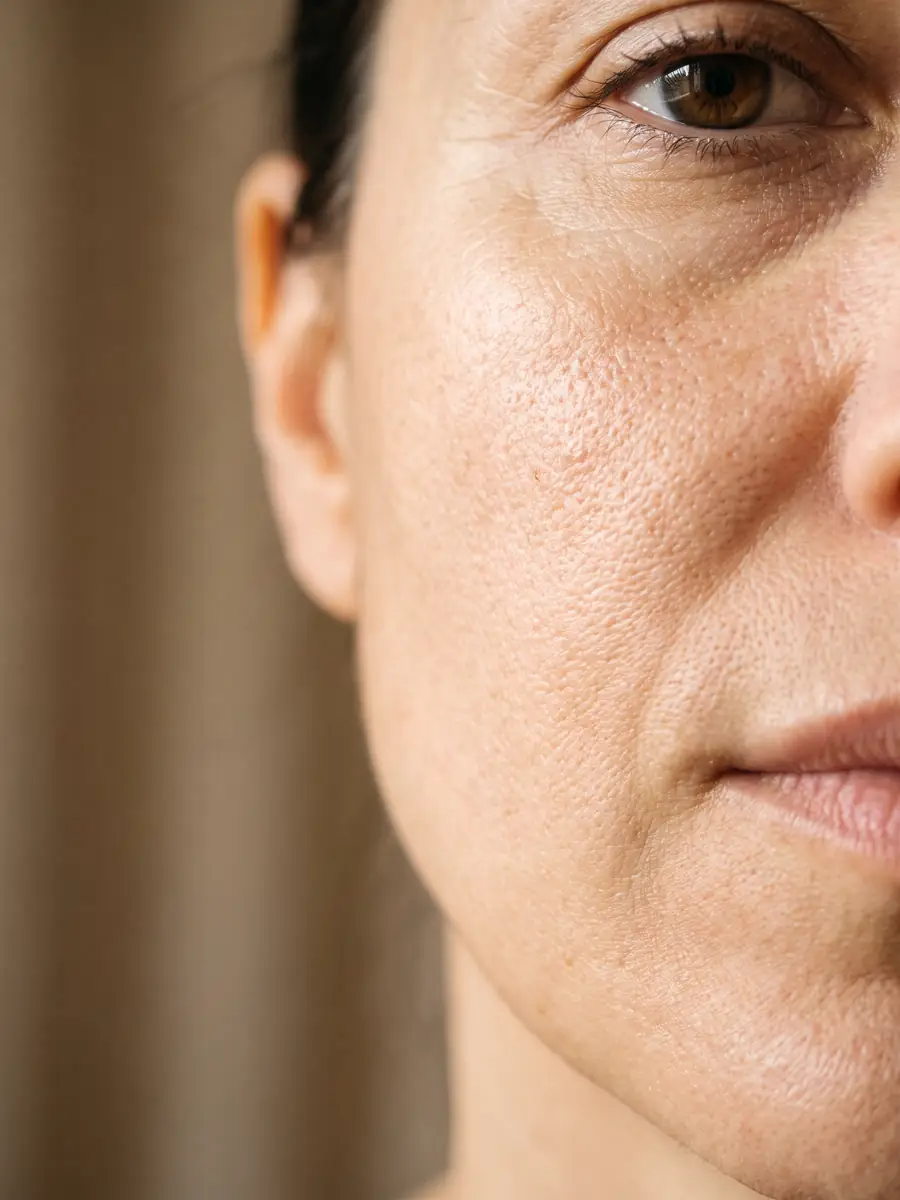
Needle-free radiofrequency firms the jawline and neck; microneedling radiofrequency rebuilds skin texture. How to tell which one is for you.
The best plan starts with an assessment. We look at your skin and answer your questions, no obligation.

Hi, I am Stella. Ask me about a treatment, a price or the clinic, and I will point you to the right place.
Stella answers from the site. She does not diagnose and does not book. The conversation stays 24 hours on this device, and the clinic keeps a copy.