PRP and Exosomes Together: What the Combination Adds for Your Hair
Why combine PRP and exosomes in one hair protocol, how the session goes, and our programs that bring both together.

Without maintenance, the gain from hair PRP holds 12 to 18 months, then fades. One session a year is usually enough to keep it. Here is why.

About 12 to 18 months, if you do nothing else. After that, the gain fades gently. With one maintenance session a year, most people keep it. Hair PRP is your own platelets, concentrated and placed back into the scalp to restart the follicles.
The question almost always comes after the last session of the protocol: "Will this last the rest of my life?" No. We understand that's disappointing to hear when you've just put time and money into it. But it's normal, and keeping what you gained takes very little effort.
Here's why the effect fades, what the decline looks like without maintenance, how often to come back and what makes the duration vary.
PRP slows shedding and restarts regrowth. It doesn't stop follicles from aging or hormones from acting, and the rest of this article follows from that.
What PRP does:
What PRP doesn't do:
That last point matters most. PRP can wake a dormant follicle, but it can do nothing for a follicle that's gone.
Think about your fitness. The initial protocol is getting in shape: three or four close sessions over a few months, until you reach your best level.
Maintenance is holding it. You can't stop entirely, but a fraction of the effort keeps what you have. Without maintenance, fitness fades quietly and, within twelve to eighteen months, you're back where you started.
Hair follows the same logic: PRP slows the cycle of loss without stopping it.
After the full protocol, the result usually holds a good year, often eighteen months. Shedding stays well below where it started, and both density and hair quality hold.
Between 12 and 15 months, the first signs appear. Shedding picks up very slightly, hair seems a little less thick and it shines less.
Between 15 and 18 months, it's clearer. Shedding is visible again and thinning areas reappear.
Between 18 and 24 months, you're back to the starting point. The treatment did its job; its effect has simply run its course.
One to two sessions a year is enough to hold the result in most cases.
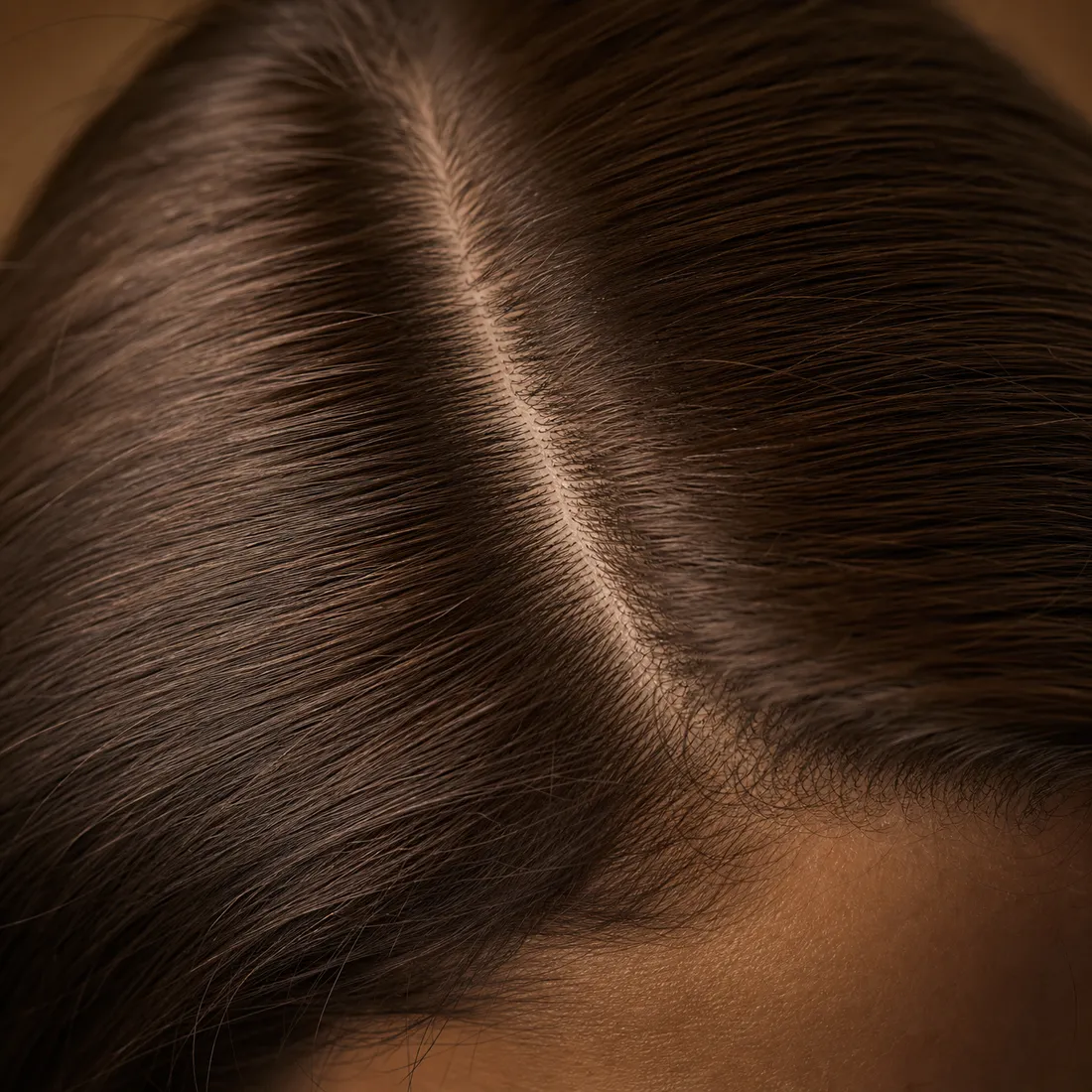
One session every 6 to 12 months, depending on your response. For most people, once a year is enough; more advanced cases come back every six to eight months.
If you come back before the result declines, one session is enough. If you wait, it takes three or four, which means a whole new protocol, and the bill isn't the same.
With maintenance, it's one session a year and the result holds. Without it, you're back to square one in eighteen months.
Daily solutions cost money too, but above all they take consistency, with something to redo every morning. One appointment a year is much easier to keep up.
We don't point anyone toward finasteride or minoxidil at the clinic. That's not our approach.
Some profiles keep the result longer: being younger, having mild to moderate loss, having responded well to the initial protocol and not going through major chronic stress.
Habits play a part too. A balanced diet, sleep, exercise, no smoking and a scalp you treat gently all help the result last.
Keep your good habits and protect your scalp. Watch for the early signs, and book maintenance before you have to win back lost ground.
Without maintenance, you need a full protocol again roughly every two years, and the result declines in between.
With maintenance, you do one initial protocol, then one session a year. The total cost is clearly lower and the result stays steady.
Is it worth coming back every year? For most people, yes. It's one appointment a year, versus a full protocol every two years.
At that stage, one session usually isn't enough anymore. It's better to come back at the first signs.

We compare your photos with the ones from the start, measure your current density and look at how things have changed since the protocol. That review sets your maintenance rhythm.
Someone who responded very well comes back at 12 or 15 months, an average response at 8 or 10 months, and some cases have their own calendar.
You don't have to keep track. We send you a reminder before the signs become visible, while a single session is still enough.
We understand that a yearly appointment can feel like a chore. But if a result needs maintaining, there's a result: a treatment with no effect would have nothing to hold on to.
And one session a year is little compared with the other things we maintain, like a house, a car or regular health checkups.
Left alone, the effects of hair PRP last 12 to 18 months. With one session a year, they hold in most cases, for about one hour of your time a year. The calendar is set at the follow-up assessment, based on your own response rather than an average.
To place your case, start with our hair page.
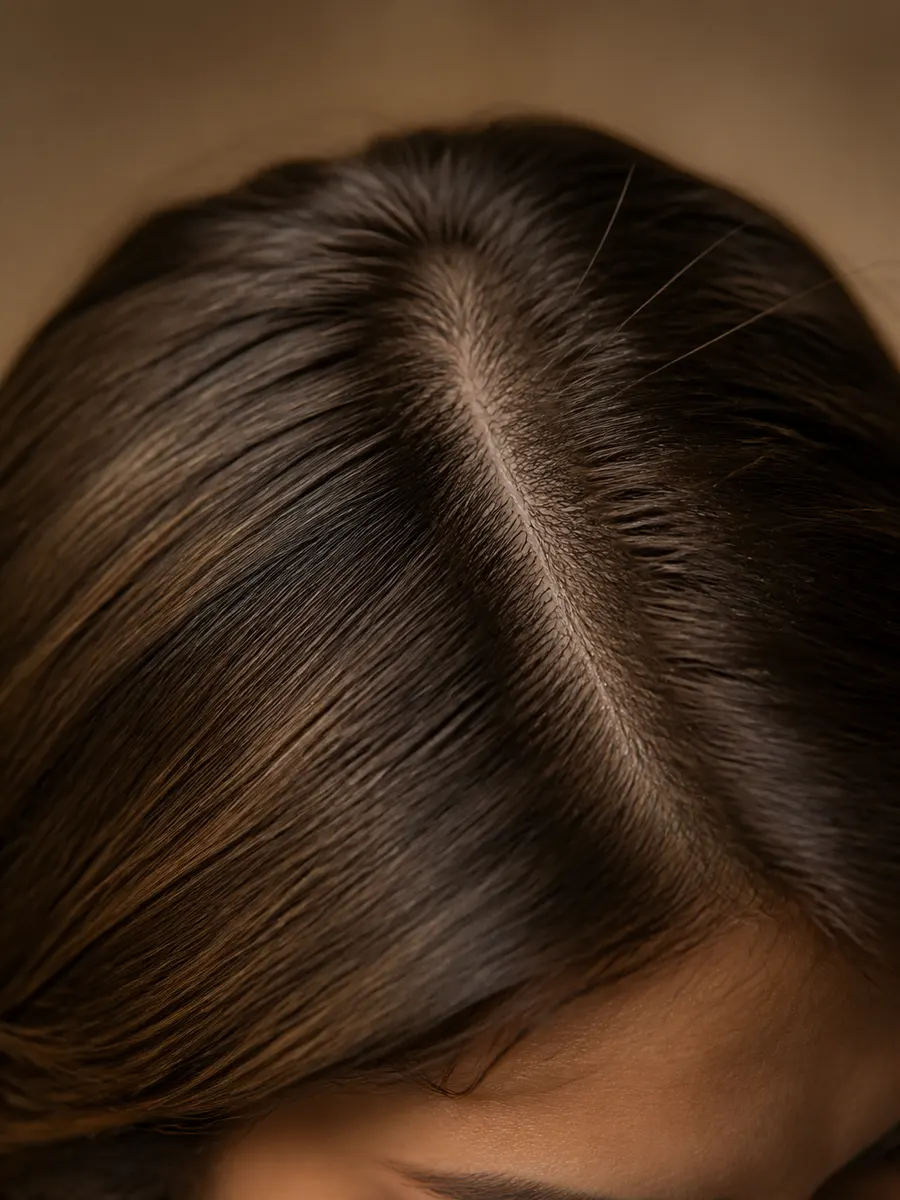
Why combine PRP and exosomes in one hair protocol, how the session goes, and our programs that bring both together.

Hair PRP concentrates the growth factors in your platelets and places them back into the scalp to wake follicles that are still alive.

It depends mostly on the stage of the loss. What studies show on hair PRP, who it works best for, and when it isn't enough.
The best plan starts with an assessment. We look at your skin and answer your questions, no obligation.

Hi, I am Stella. Ask me about a treatment, a price or the clinic, and I will point you to the right place.
Stella answers from the site. She does not diagnose and does not book. The conversation stays 24 hours on this device, and the clinic keeps a copy.