Receding Temples at 25: What You Can Do
Temples receding in your twenties? What the AAD says, what changes depending on the stage, and how DC Prime works while the follicle still responds.

What we see in clinic: hair exosome gains hold for roughly a year, then fade gently without maintenance.

Is it permanent? No. What we see is a good period of a year to eighteen months during which the hair is in better shape, then a gradual return if nothing is maintained. Details on the treatment are on the DC-Exo page.
You've invested in a protocol, and you want to know how long you'll benefit before you need to come back. It's the right question to ask. The markers below apply after a full protocol, not after a single session.
The first 6 to 12 months. The effect is at its peak. Between 12 and 18 months. Most of the benefit still holds. Beyond 18 months. Without maintenance, the effect gradually decreases.
What you gained doesn't disappear all at once, but the stimulation slows down.
| Treatment | Duration of effects | Maintenance |
|---|---|---|
| Exosomes alone | 12 to 18 months | 1 session a year |
| PRP with exosomes | 12 to 18 months | 1 to 2 sessions a year |
| PRP alone | 12 to 18 months | 1 session a year |
Daily medications aren't in this table, because their effect only lasts until the last dose. We don't point anyone toward minoxidil or finasteride here.
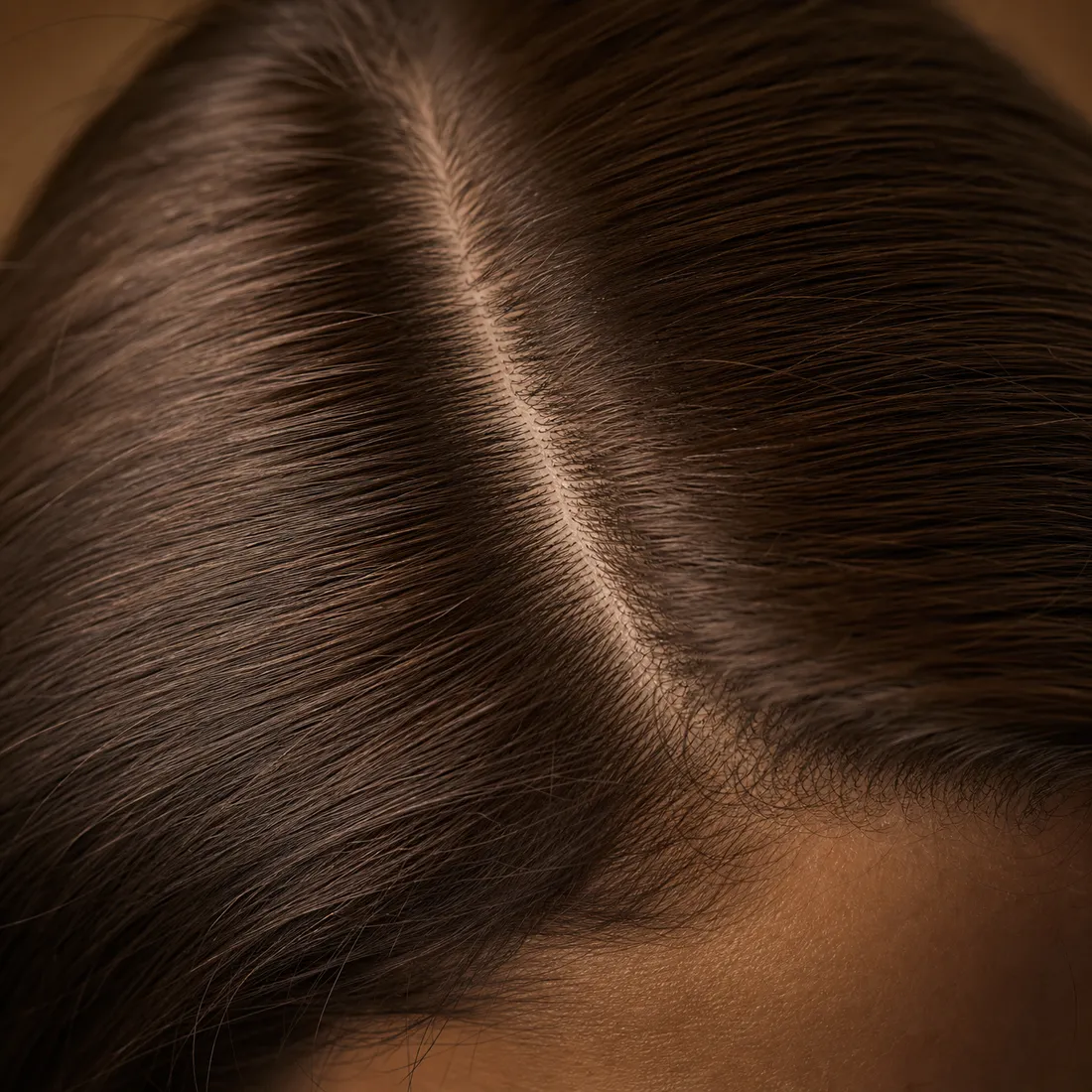
The work happens at depth. The signal placed stimulates scalp activity. It acts on the problem instead of hiding it, which is why we talk in years rather than weeks.
One session every 12 to 18 months, adjusted to how you're doing.
Under 35. Maintenance can often be spaced out further, every 18 to 24 months. The approach is preventive.
Between 35 and 50. Annual maintenance, with progression monitored.
Over 50. Annual maintenance, sometimes with a more sustained protocol.
In women, the hormonal cause is often settled with bloodwork (iron, thyroid and hormones). That's step 1 of our path for women.
Between 12 and 15 months. The effect is still very present. Between 18 and 24 months. The effect gradually decreases, but the hair gained remains. After 24 months. You slowly return toward the starting state, especially if the cause was never addressed.
Have you skipped maintenance, or are you thinking about it? We understand, and the return happens gently:

At 6 months. A first review of what's holding. At 12 months. The assessment that decides the first maintenance. At 18 months. We follow the natural course. At 24 months. We plan around what you want to do.
At each appointment, we take comparative photos under the same conditions and assess density. We also examine the scalp, and ask how you feel about shedding and the quality of your hair.
With exosomes alone. The starting protocol, then about four maintenance sessions.
With PRP and exosomes. The starting protocol, then four to eight sessions depending on your response.
Either way, the biggest spending happens in the first year, then it decreases and stabilizes. Prices are posted on every program page, taxes extra.
We advise you not to wait until every sign is there. Booked in time, maintenance takes one session, while it takes several to catch up once the effect has faded.
Can sessions be spaced out further? Yes, depending on your profile. Beyond two years, though, there isn't much left to maintain, and you're almost starting a full protocol again.
Is maintenance a full protocol? No. One to two sessions is enough, against four at the start.
Do the effects accumulate? Maintenance holds the gain, and sometimes improves it a little. It doesn't change your genetics.
Results last twelve to eighteen months, then one session a year lets you keep them. That's little upkeep to hold on to what you've gained.
We won't tell you it's yours forever, because no hair treatment is. If someone promises you that, ask them what they're basing it on.
To place your case, start with our hair page.
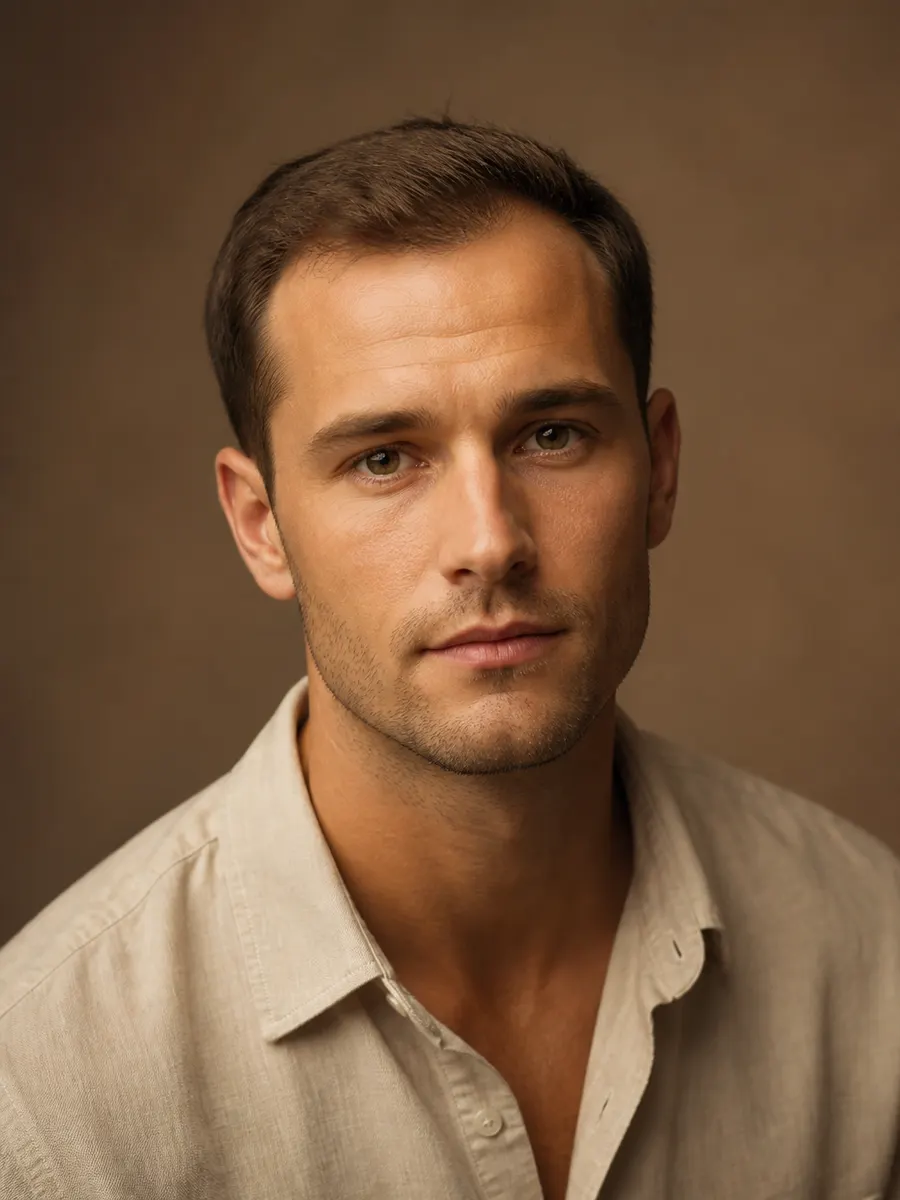
Temples receding in your twenties? What the AAD says, what changes depending on the stage, and how DC Prime works while the follicle still responds.

Hair that falls out after childbirth usually grows back by itself. When to worry, what we check, and what DC Bloom can do if it doesn't.
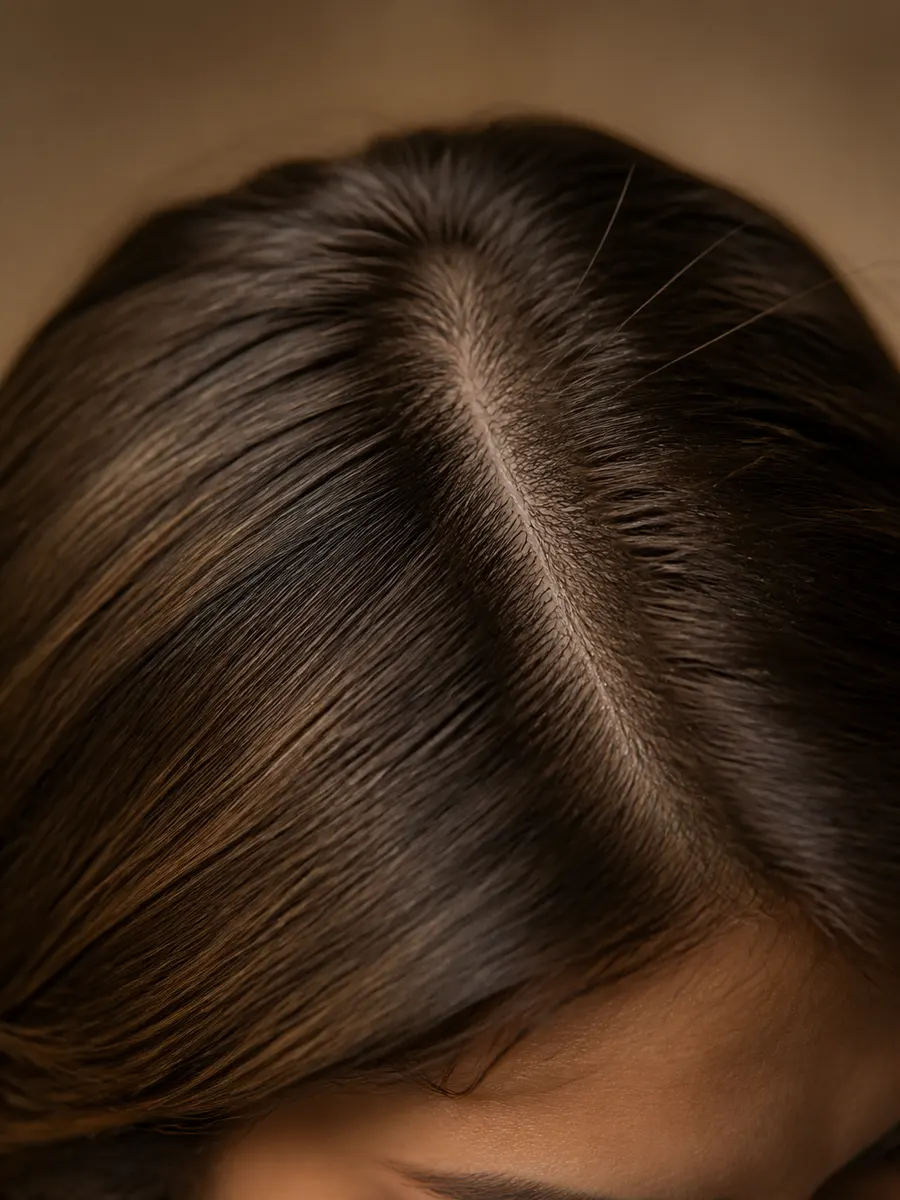
Why combine PRP and exosomes in one hair protocol, how the session goes, and our programs that bring both together.
The best plan starts with an assessment. We look at your skin and answer your questions, no obligation.

Hi, I am Stella. Ask me about a treatment, a price or the clinic, and I will point you to the right place.
Stella answers from the site. She does not diagnose and does not book. The conversation stays 24 hours on this device, and the clinic keeps a copy.