Before and After Your Radiofrequency Session: The Few Things That Actually Matter, and the Many That Don't
What we will ask you to set aside before a radiofrequency session, what we tell you on your way out, and why each one of those steps exists.

Pacemaker, metal in the area, pregnancy: what rules out radiofrequency, what only needs a check, and what is decided at your in-person assessment.


You have a pacemaker, a plate in your face, recent injections or a baby on the way, and you want to know whether a radiofrequency treatment like XERF is possible before you book. The short answer: we don't treat over a pacemaker or an implanted electronic device, during pregnancy, or on an active skin infection. Metal in the area and recent injections need a check. The rest is decided at the assessment, before the first session.
This article sorts these situations into three groups, explains the reason for each, and says what we ask you at the assessment.
The contraindication lists you find online put everything on the same level. They don't say why something is ruled out, or whether it is for good.
| Group | Examples | What it means |
|---|---|---|
| What rules out treatment | Pacemaker or other implanted electronic device, pregnancy, active skin infection in the area | We don't treat, or we postpone |
| What needs a check | Metal in the treated area, recent injections | We look at where, what and when |
| What is decided at the assessment | Your skin that day, your medications, your file | We discuss it with you |
This list is not exhaustive. Your file is always reviewed before we start.
Radiofrequency passes a current through the tissue. A pacemaker, defibrillator or cochlear implant also reads electrical signals. The treatment's current could scramble what the implanted device measures.
That is a different order of risk from redness. Clinical trials of aesthetic radiofrequency exclude people who carry an active implanted electronic device. So we don't treat over such a device.

A plate, pins or a screw in the face are not electronic devices. The question is where they are. Metal conducts heat and current differently from skin, and it matters in the treated area.
So we check for metal implants in the area at the assessment. A dental implant, a plate placed after a fracture: each file is looked at one by one. We don't settle any case in an article.
No study has evaluated aesthetic radiofrequency during pregnancy. A review published in Dermatologic Surgery in 2013 recommends postponing elective cosmetic procedures until after the birth, for lack of controlled trials. A 2022 review in the Journal of Cutaneous and Aesthetic Surgery lists these procedures among those that can be deferred.
The postponement comes from missing data, not from proven harm. The result for you is the same: we don't treat during pregnancy. Breastfeeding, we discuss at the assessment.
We postpone during pregnancy because no study exists, not because harm has been shown.
An active skin infection in the treated area rules out the session until it has healed. A wound, irritated or freshly tanned skin is looked at on the day: we treat differently, or we postpone.
This is not a contraindication for good. Once the skin has healed, the schedule resumes.
Recent injections don't rule you out. It is a question of order and timing. For a dermal filler, the clinic follows these intervals, always confirmed at the assessment:
For other injections, the interval is set at the assessment. The injection itself is done by a nurse; the radiofrequency, by a medical esthetician. The order of treatments is explained in combining radiofrequency, injectables and laser.
Before the first session, we go over with you:
You tell us your medications. The decision to stop one belongs to your doctor, never to us.
If you want to know whether the treatment suits you beyond these safety questions, read am I a candidate. What can happen after a session is in radiofrequency side effects, and the full details on the XERF page.

No, not to our knowledge: we don't treat over an implanted electronic device. Your file is reviewed before we start, and we tell you at that point.
Yes, if they are in the treated area. We check where they are at the assessment, and decide with you.
We discuss it at the assessment. No study covers aesthetic radiofrequency during breastfeeding, and we don't settle your case in an article.
It depends on the order. After a dermal filler, we wait at least 3 to 4 weeks before radiofrequency. For other injections, the interval is set at the assessment.
We check it at the assessment, like any metal near the treated area.
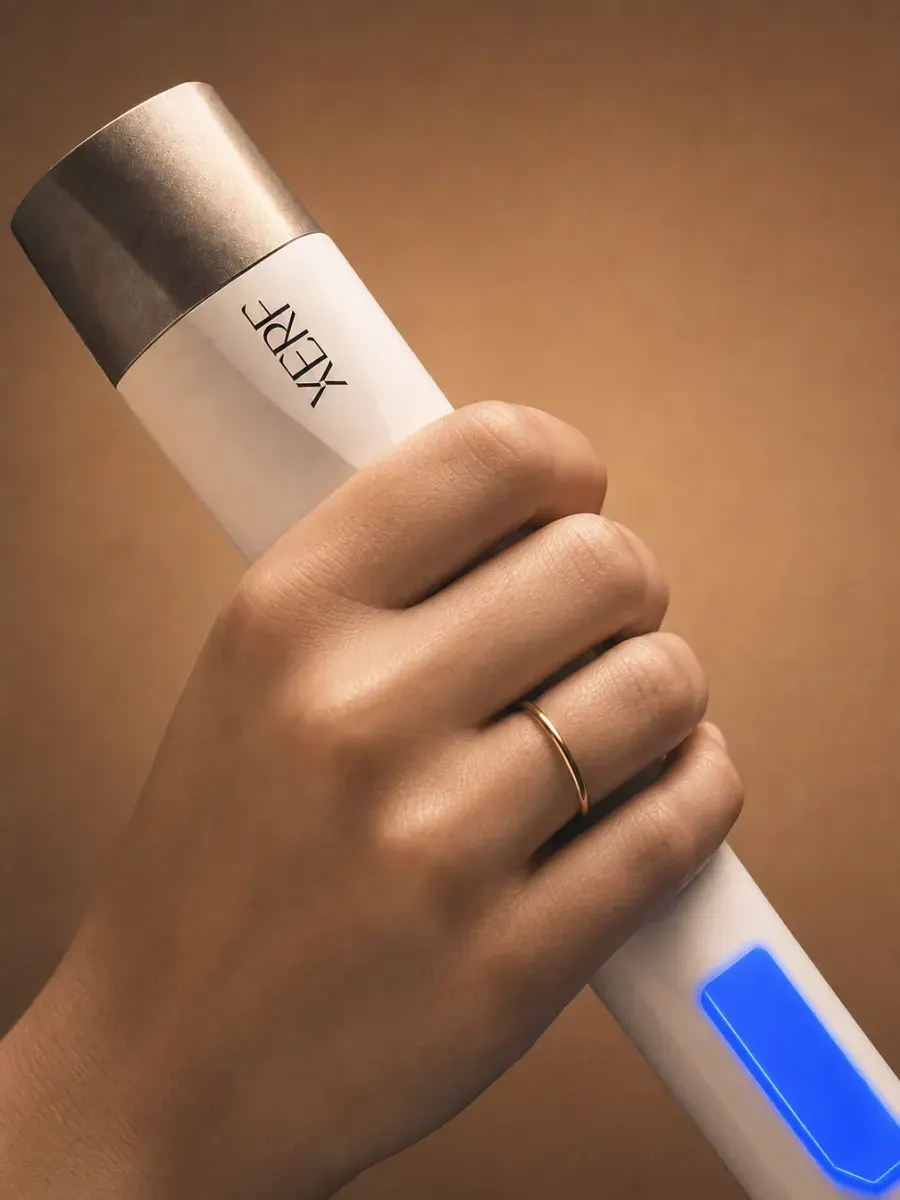
What we will ask you to set aside before a radiofrequency session, what we tell you on your way out, and why each one of those steps exists.
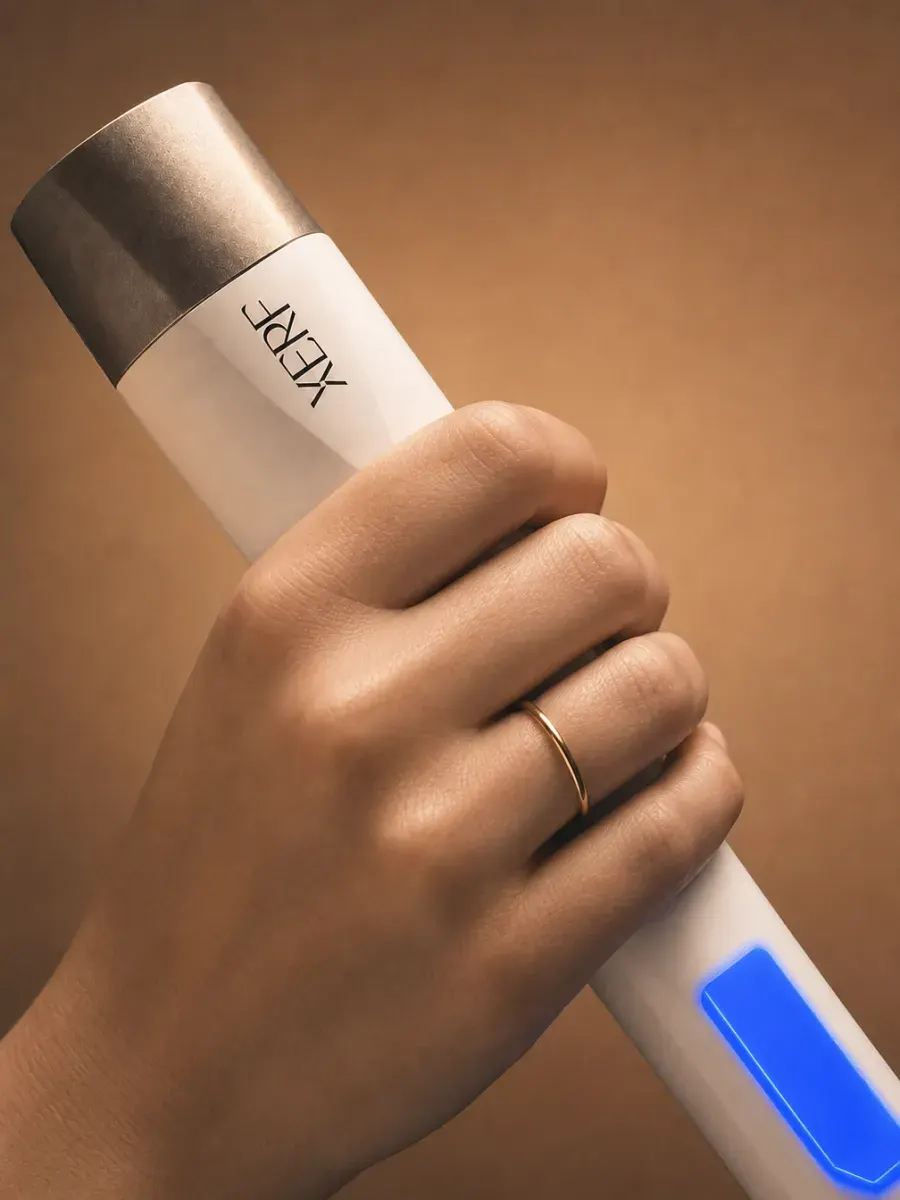
XERF and Thermage belong to the same radiofrequency family. What sets them apart in plain facts, and the admission that no study compares them.

A home radiofrequency device does not do the same job as a medical one. Why that is, what it can still offer you, and where the line sits for safety.
The best plan starts with an assessment. We look at your skin and answer your questions, no obligation.

Hi, I am Stella. Ask me about a treatment, a price or the clinic, and I will point you to the right place.
Stella answers from the site. She does not diagnose and does not book. The conversation stays 24 hours on this device, and the clinic keeps a copy.