HIFU or Radiofrequency: Which One to Choose to Firm the Face
HIFU concentrates heat into points, radiofrequency spreads it through a volume. What that changes during the session, and who each one is for.

XERF radiofrequency firms mild to moderate laxity, with no needles. How it works, and when a facelift is still the better option.


Can radiofrequency firm the face without surgery? Yes, when the laxity is mild to moderate. When there is marked excess skin, no: a facelift is then still the better answer.
You may have noticed it in the mirror: the lower face is softening, the jawline is less defined, the neck "drops" a little. It’s often the first sign of aging people see, and it’s normal to wonder whether you’re already at the surgery stage. Not necessarily. Here’s how XERF works, who it suits and where its effects stop.
Over time, the skin makes less collagen and elastin, the fibres that keep it taut. It gets thinner and softer, and gravity does the rest. Laxity comes from the deep structure of the skin, not just its surface.
That’s why creams eventually stop changing anything. Radiofrequency works on that deeper structure.
XERF sends a radiofrequency current that heats the deep dermis in a controlled way. That heat has two effects:
So the result sets in two stages: a light tightening effect at first, then firmness that improves gradually as the collagen rebuilds.
Radiofrequency heats through the tissue’s own resistance, without targeting a pigment. It suits every skin tone, without the risk of spots that some lasers carry on darker skin.

No. Most people describe a pleasant warmth, close to a warm massage. There’s no needle and no anesthesia, and the intensity is adjusted to your comfort throughout the session. No downtime either: some light redness can show up, then you go back to your day.
Can XERF replace a facelift? Not in every case. A lot of people have been let down because they were promised otherwise, and we don’t want that to happen to you.
If your laxity is advanced, we’ll tell you at the consultation, even if it means XERF isn’t the right choice for you.

We clean the skin and apply a conductive gel. Then we pass the handpiece zone by zone, raising the heat little by little. A face and neck session takes about 90 minutes. You feel the warmth build, without pain.
We plan two sessions, then one upkeep session a year. Collagen rebuilds slowly, and aging keeps going after the treatment, which is why there’s upkeep. Results vary from one person to the next and show over several weeks.
XERF pairs well with a skin-quality treatment like LaseMD Ultra. XERF works on firmness deep down, LaseMD Ultra on glow and texture at the surface.
When it’s well indicated, it can bring tone back to the skin and make the jawline look more defined. It can also push back the moment you consider heavier procedures. We check with you, at the consultation, whether it’s the right choice in your case.

HIFU concentrates heat into points, radiofrequency spreads it through a volume. What that changes during the session, and who each one is for.

Radiofrequency tightens skin that has lost its spring, but it doesn't remove skin. The signs that a surgical facelift is still the better option.
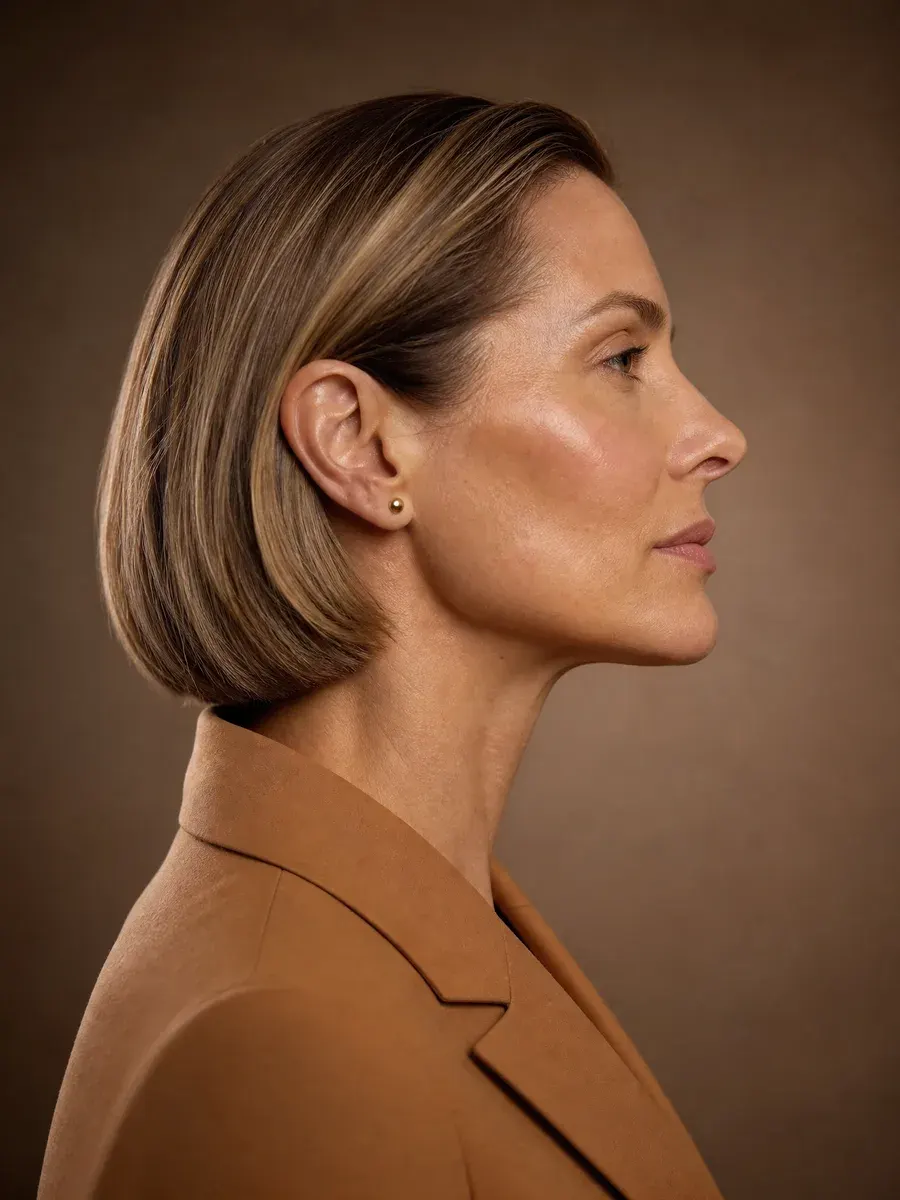
What heat, light and ultrasound can tighten without injecting anything, what none of them does, and how to tell whether you are a good candidate.
The best plan starts with an assessment. We look at your skin and answer your questions, no obligation.

Hi, I am Stella. Ask me about a treatment, a price or the clinic, and I will point you to the right place.
Stella answers from the site. She does not diagnose and does not book. The conversation stays 24 hours on this device, and the clinic keeps a copy.