Face-Tightening Cost: What You're Really Paying For, and Why Two Bills With the Same Name Differ
One word, three technologies, very different bills. What changes the price of a face-tightening treatment, and where you can read our own prices.

The same day, after a few weeks, over the months: what changes and when, and why booking three weeks before a big event is a bad idea for your skin.


On the day of your session, your skin may look a little tighter. Then, for the first few weeks, almost nothing shows, and that's normal. The real gain builds over the months that follow, while your skin makes new collagen.
You have a session in mind, or already booked, and you want to know when you'll see something. Here are the stages in order, what makes them vary from one person to the next, and what we recommend if an event is coming up.
Radiofrequency heats the deep layers of the skin. Under that heat, the collagen fibres already there contract, which is why skin can feel a little tighter on the way out. Reviews of facial radiofrequency describe this immediate effect as modest.
Is that the result? No. It's a preview. Temporary redness is possible, and you go back to your day right away. A XERF session lasts 90 min for the full face and neck.

After the heat, skin follows the same path it takes after any small injury: an inflammation phase, then a phase where it builds up and prepares new fibres. According to patient resources on wound healing, the remodelling phase starts around the third week and carries on for months.
During this stretch, the tightening from day one fades, and the new collagen isn't far enough along to show. Many people look in the mirror at two weeks and decide nothing happened. We get it. This is exactly when not to judge.
This is when the work shows. New collagen settles in, the skin gains firmness, and the jawline looks more defined. The change is gradual: people often notice it by comparing with a photo taken before the first session, more than by looking every morning.
A prospective randomized study on a monopolar radiofrequency device (a different device from ours) measured improvements at one, three and six months after a single session, with no significant drop between one and six months. It's a different device and a single trial, so we use it to understand the curve, not to promise you a date.
| Stage | What's happening in the skin | What you see |
|---|---|---|
| Session day | Existing collagen contracts under the heat | Slightly tighter skin, possible redness |
| First few weeks | Skin repairs and prepares new fibres | Little change, and that's normal |
| The months that follow | New collagen settles in | Firmness building, a more defined jawline |
| After the series | The gain holds, then aging picks up again | One upkeep session a year |
Here, we plan two sessions at minimum, 4 to 6 weeks apart. We can do more if your skin calls for it. The second session lands while the skin is already rebuilding, and it extends that work. There's more on this in our article on the number of sessions.
After that, one upkeep session a year helps hold the effect, because aging keeps going. Results can last up to 12 to 18 months after a full series, and that varies from person to person.
Session day gives you a preview. The result is judged months later.
Two people who have the same session on the same day won't see the difference at the same time. What changes the timeline:

If your event is three or four weeks away, you'll be right in the stretch where skin is repairing without showing it yet. You'd have spent your session at the moment it shows the least. We'd rather tell you up front.
Ideally, start several months before the date, so there's time for both sessions and for collagen to do its work. For a December event, our article on radiofrequency before the holidays does the countdown. At your assessment, bring your date: we count back from it.
At two or three weeks, seeing nothing is expected. It isn't a failure, it's your skin's normal timeline. We judge after the second session, once the months have done their work.
If, long after the series, you still see nothing, we talk it over at the clinic. We look at your skin, compare it with your starting LINE VU 3D skin analysis, and tell you plainly whether another approach suits you better. Marked laxity, with excess skin, sometimes calls for surgery: no radiofrequency removes skin.
No. At two weeks, your skin is in the middle of repairing and the new collagen isn't visible yet. The result is judged months later, after the second session.
Two at minimum, 4 to 6 weeks apart, then you let the months do their work. Judging after a single session is judging too early.
We advise against it if you're hoping for a result on that day. The day-one tightening is modest and redness is possible. Better to start several months ahead.
Usually yes, depending on your skin: you go back to your day the same day, and some passing redness is possible. We confirm it at the end of your session.
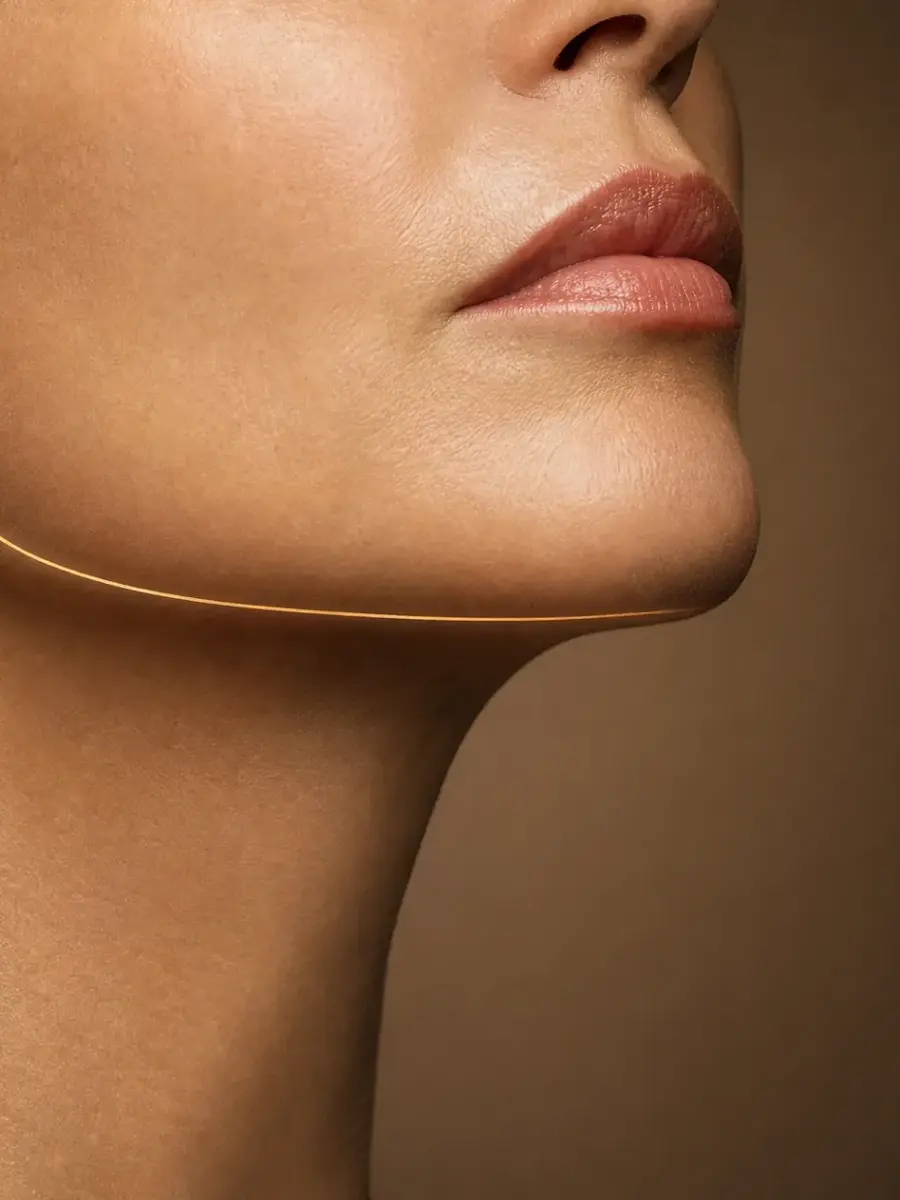
One word, three technologies, very different bills. What changes the price of a face-tightening treatment, and where you can read our own prices.

Pacemaker, metal in the area, pregnancy: what rules out radiofrequency, what only needs a check, and what is decided at your in-person assessment.
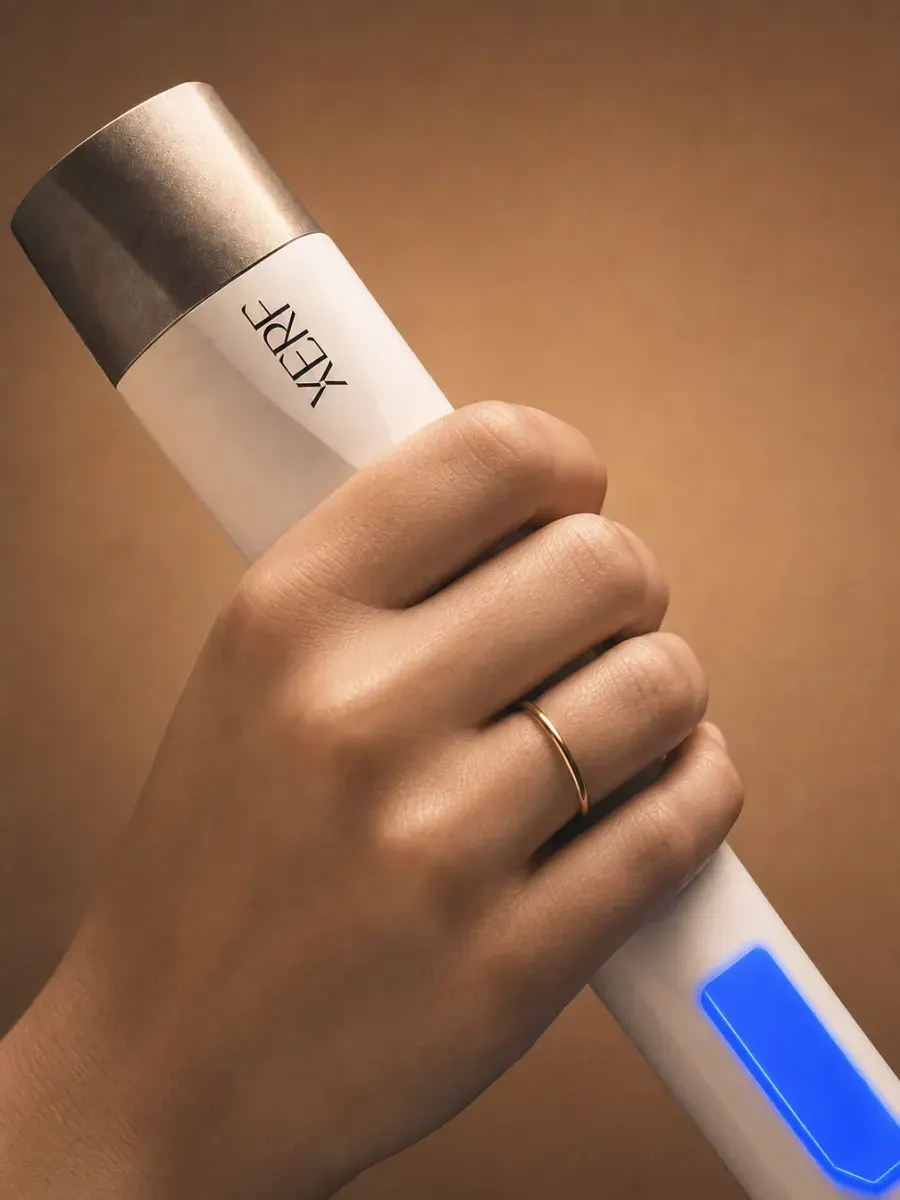
What we will ask you to set aside before a radiofrequency session, what we tell you on your way out, and why each one of those steps exists.
The best plan starts with an assessment. We look at your skin and answer your questions, no obligation.

Hi, I am Stella. Ask me about a treatment, a price or the clinic, and I will point you to the right place.
Stella answers from the site. She does not diagnose and does not book. The conversation stays 24 hours on this device, and the clinic keeps a copy.