Coloured Tattoos: Can Laser Remove Yellow, Green and Blue Ink?
Black fades most easily. Red, orange, yellow, green and blue go through the colour handpiece, and more sessions. Why that is, and what to expect for a coloured tattoo.

Picosecond, Q-switched, excision or dermabrasion: what each method does to the ink and the skin, and what a picosecond laser changes for your tattoo.

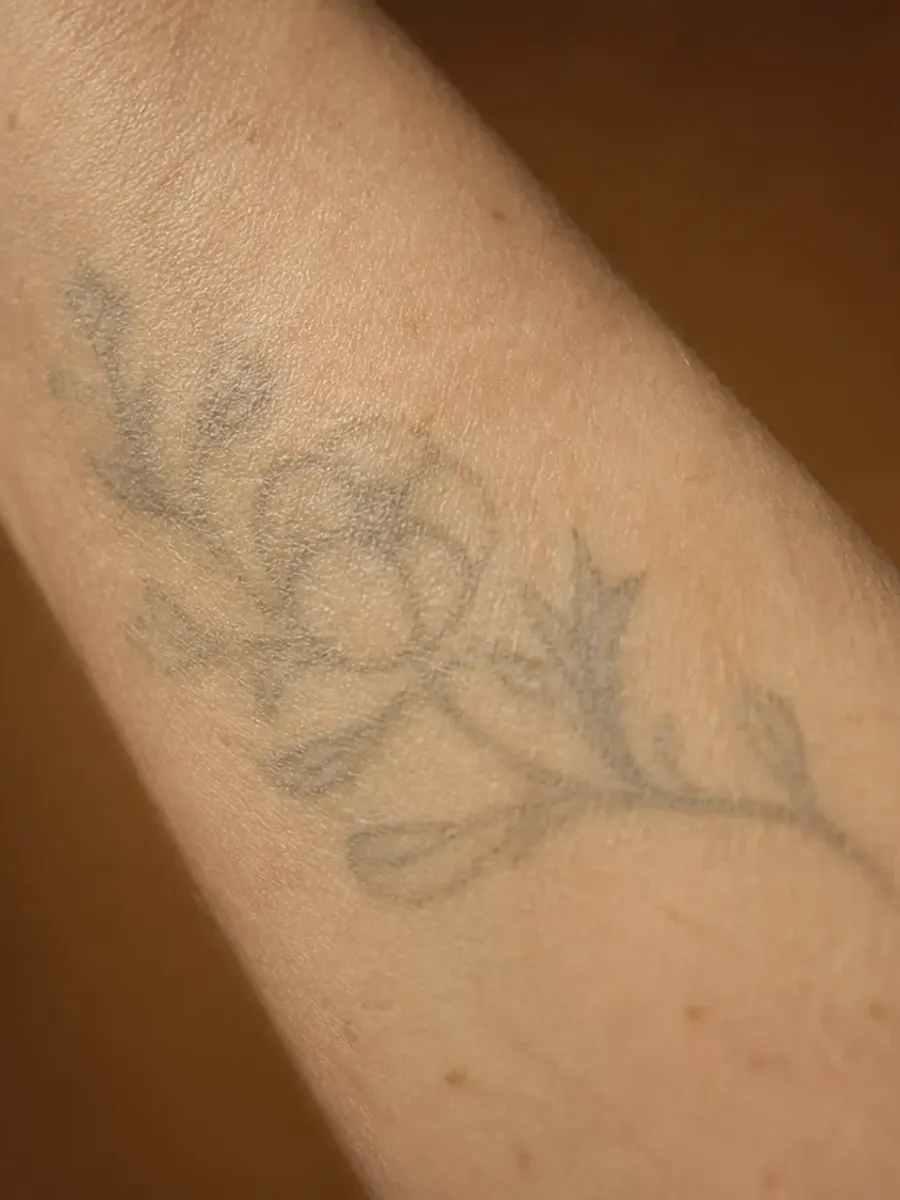
The picosecond laser sends out shorter pulses than the older laser, called Q-switched or nanosecond. According to its manufacturer, that brevity breaks up the ink with a shock wave rather than heat, which spares the skin around the tattoo. It does not change the fact that you need several sessions, and a well-tuned older laser still clears black ink.
Here we compare the four ways to remove a tattoo, what each does to the ink and the skin, what the picosecond adds, and what no laser settles.
There are four methods for erasing a tattoo:
The first two are lasers: the skin stays in place. The other two remove skin.
A laser does not remove the ink. It breaks it into particles fine enough for your immune system to clear over several weeks. Excision and dermabrasion remove the skin that holds the ink.
| Picosecond | Q-switched | Excision | Dermabrasion | |
|---|---|---|---|---|
| How the ink goes | Shock wave, no cutting | Heat, longer pulses | Cut out with a scalpel | Skin is sanded off |
| Scarring risk | Low, non-surgical | Low | A scar every time | High, risk of marks |
| Pain | Tolerable, small snaps | Tolerable, a bit warmer | Anesthesia, then soreness | Painful, raw wound |
| Recovery | Minimal, a few days | Minimal to moderate | Stitches, weeks | Open wound, weeks |
| Sessions | Several, often fewer | Several, often more | One procedure | One or two |
| What it suits | Most sizes and colours | Broad, colour-dependent | Small tattoos only | Small areas |
This table follows the one on our tattoo removal page. Sessions and results vary with the ink, the size and the skin.
Between the two lasers, the difference is heat and number of sessions. Between the lasers and the rest, it is scarring.
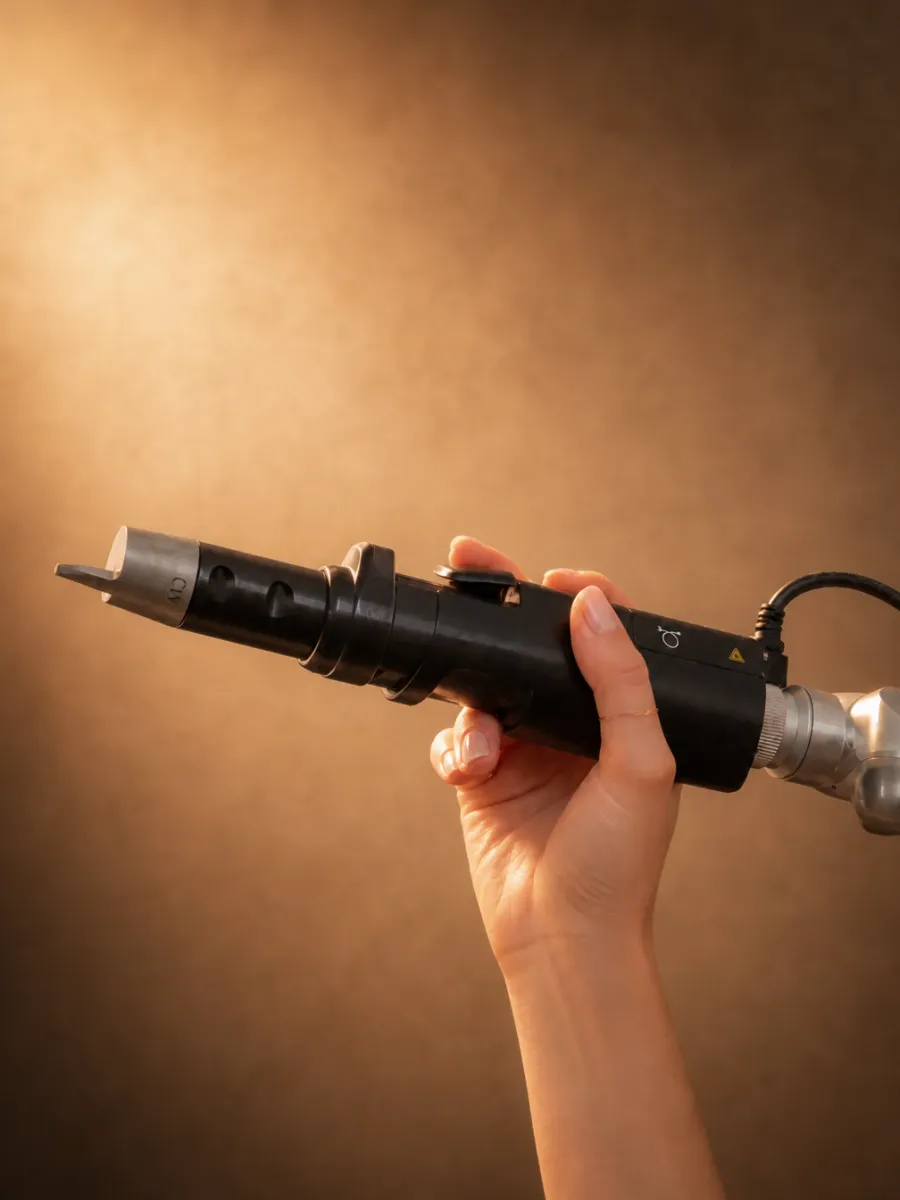
An older laser heats the ink particle until it bursts, and that heat spreads to the skin around it. The picosecond shortens the pulse so much that the particle is shaken apart and breaks before the heat spreads, according to the manufacturer. Less heat around it means less risk to the skin.
Does it take fewer sessions? Often, according to the manufacturer and to our comparison, but we do not promise it. At the clinic, the course is 8 to 10 sessions, sometimes more, 6 to 8 weeks apart: your body clears the fragmented ink, and no laser works faster than it does.
And the older laser? The clinical update by Ho and Goh (2015) presents it as the established method, before picosecond lasers arrived. Well tuned, it is still effective on dense black ink. The picosecond did not make that method useless; it mainly adds a margin for the neighbouring skin. The possible complications of each technique are reviewed in a paper by Kassirer et al. in the Journal of the American Academy of Dermatology in 2025.
Excision removes the tattoo along with the skin that carries it, then the wound is closed with stitches. It always leaves a scar and only suits small tattoos. In return, it is all done in one procedure. If your tattoo is small and a thin scar bothers you less than ten sessions would, the option exists.
Dermabrasion sands the skin until the ink leaves with it. The wound is raw and heals over weeks, with a high risk of marks. It is meant for small areas, in one or two sessions.
The American Academy of Dermatology titles its page on the subject "Tattoo removal: Lasers outshine other methods," which points the same way as the table above.

Four things stay true with any laser:
No method, laser or surgical, guarantees complete removal.
At Clinique DC, tattoo removal is done with the PicoSure, by a medical esthetician, under medical supervision. A session lasts 15 to 30 min.
At the assessment, we look at the size, the inks and the depth, then give you a number of sessions to aim for and what could move it. The tattoo removal page gives the price list by size, and the PicoSure page explains the device.
No. It is the previous generation, and it still clears black ink. The picosecond shortens the pulse, which heats the neighbouring skin less, according to the manufacturer. Here, tattoo removal is done with the PicoSure.
Yes, it is done in one procedure. It does leave a scar every time, it only suits small tattoos, and recovery means stitches for weeks. A laser takes several sessions, but the skin stays in place.
It is meant for small areas. On a large tattoo, the raw wound would be the size of the design, with weeks of healing and a high risk of marks. For a large tattoo, the laser is the route to discuss.
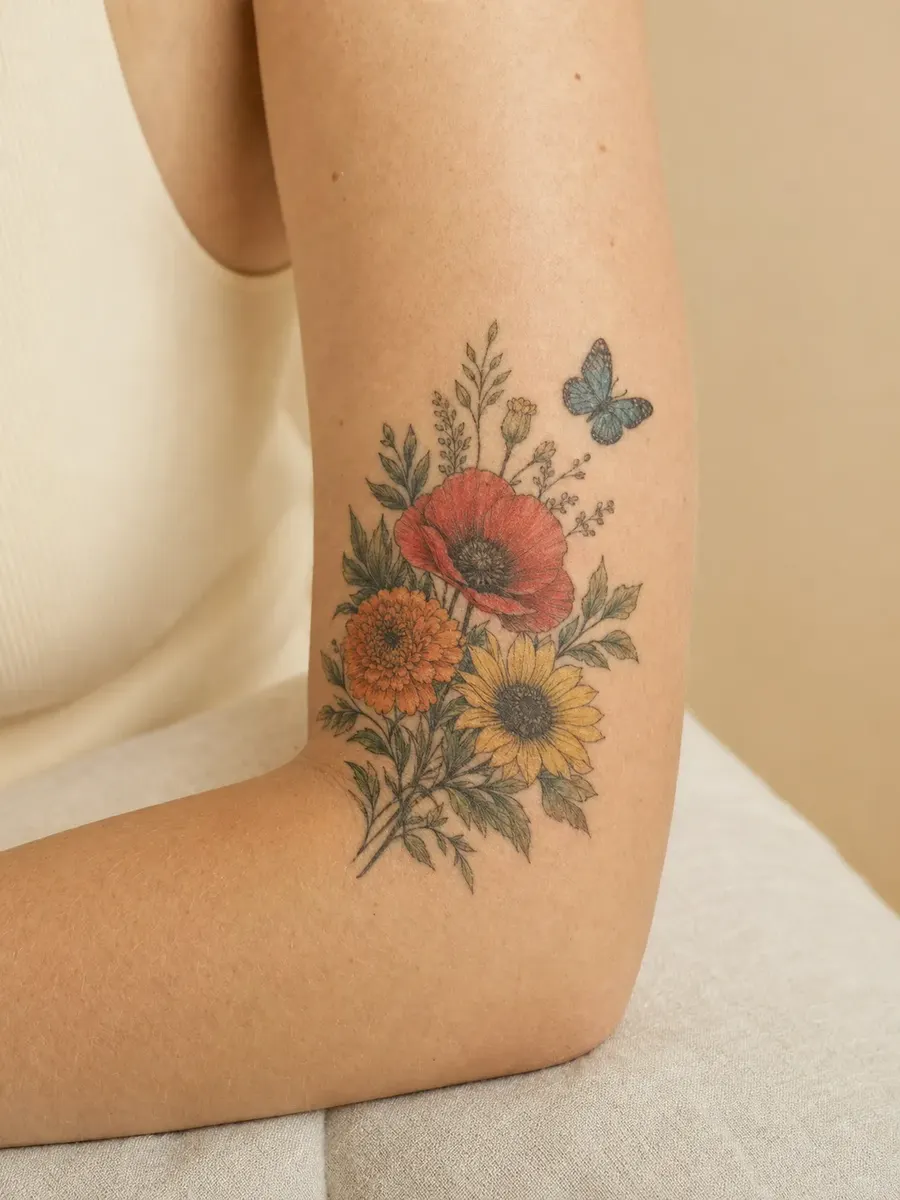
Black fades most easily. Red, orange, yellow, green and blue go through the colour handpiece, and more sessions. Why that is, and what to expect for a coloured tattoo.
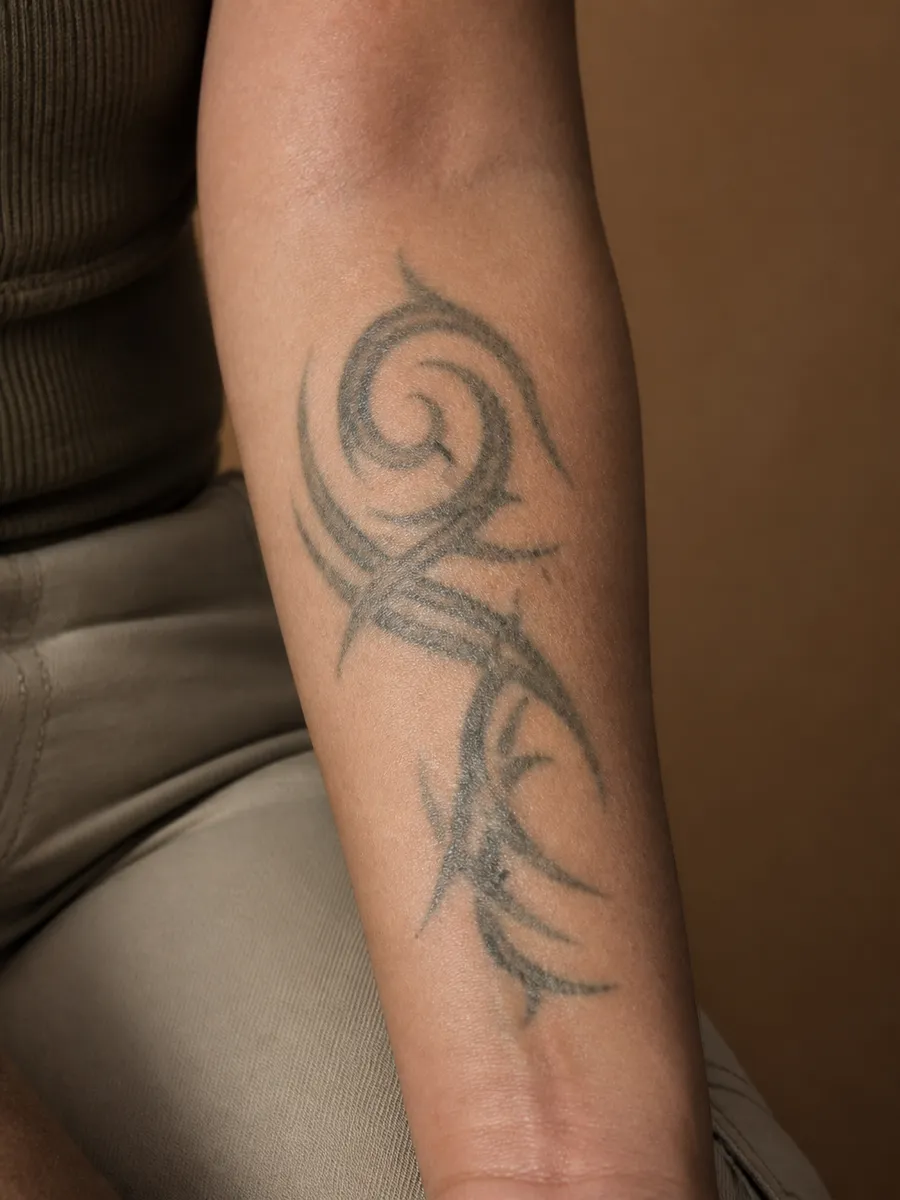
Laser tattoo removal in Laval: the device, who uses it, session count, price and what we turn down. Our answer to each one.
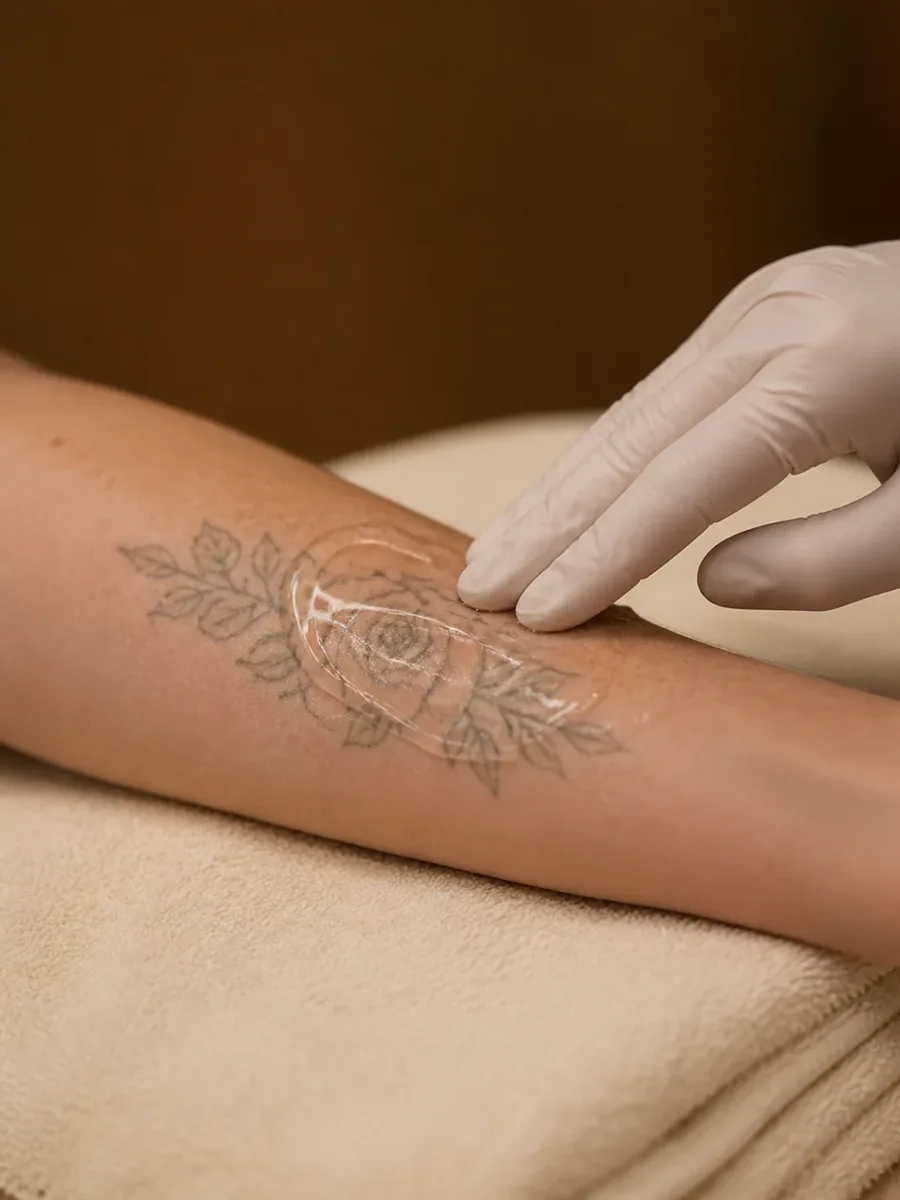
Most often 8 to 10 sessions, sometimes more, 6 to 8 weeks apart. What changes that number for your tattoo, and why websites disagree.
The best plan starts with an assessment. We look at your skin and answer your questions, no obligation.

Hi, I am Stella. Ask me about a treatment, a price or the clinic, and I will point you to the right place.
Stella answers from the site. She does not diagnose and does not book. The conversation stays 24 hours on this device, and the clinic keeps a copy.