PRP and Exosomes Together: What the Combination Changes for Your Hair
Combining PRP and exosomes in one hair protocol: what exosomes add, and our programs that bring both together.

Shedding slows by 4 to 8 weeks, first regrowth around 3 months, peak density between 6 and 12 months. The realistic timeline, no false hope.

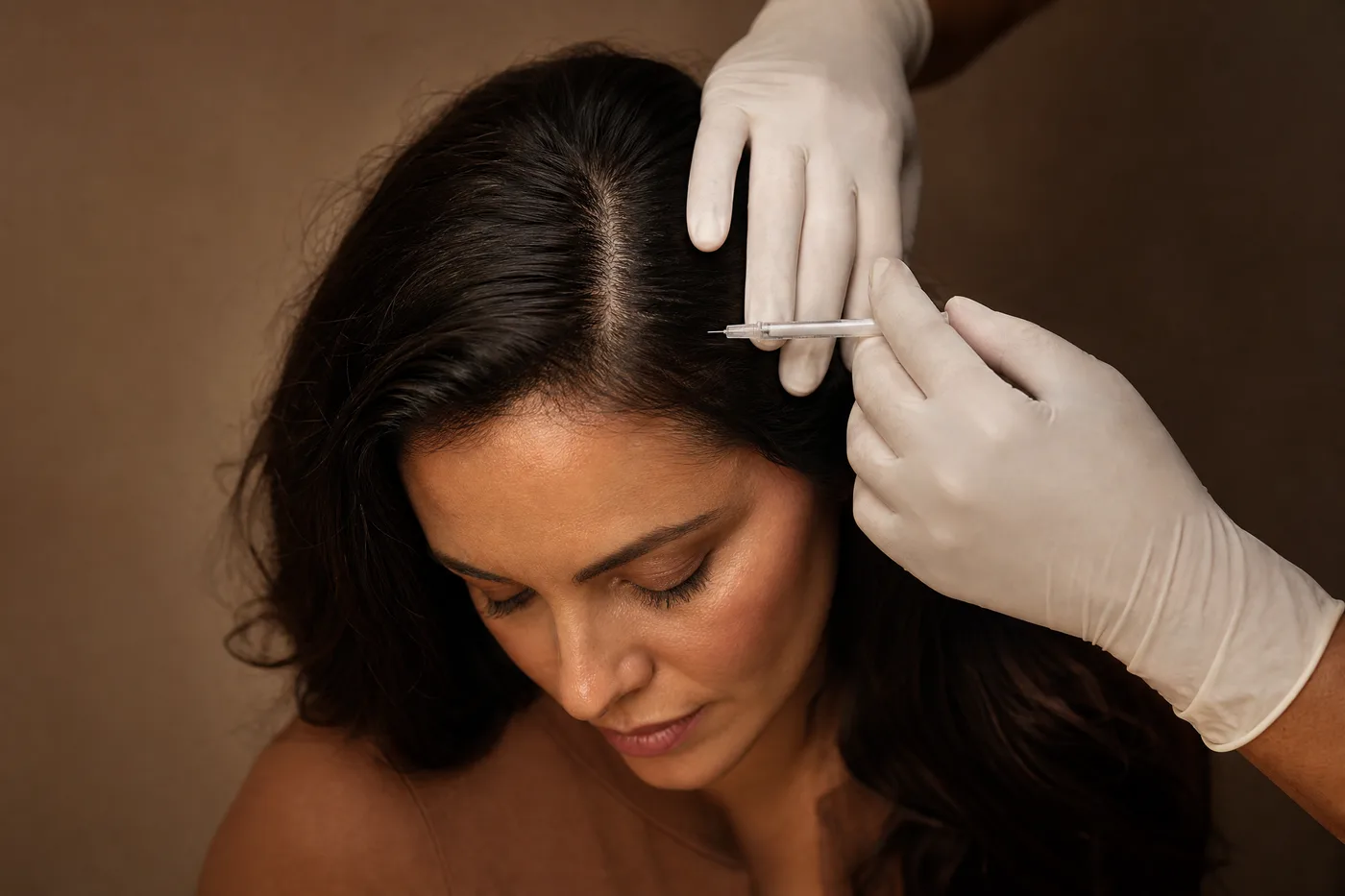
The first signs come quickly, real regrowth takes its time: shedding slows from 4 to 8 weeks, new hairs become visible around 3 months, and the result is full between 6 and 12 months. Hair PRP is your platelets concentrated and placed back into the scalp.
We get asked this every morning that follows a first session. We understand: you scan your reflection looking for the smallest sign.
So let us say it right away: this takes patience. PRP does not work like a haircut. Here is the real timeline, without false hope.
PRP masks nothing: it works on the follicle, at depth, at the biological pace of hair. And nobody speeds that pace up.
The hair cycle:
PRP first has to wake the dormant follicles, then carry them into a new cycle. The work starts immediately; it is the visible sign that takes a while.
The markers below describe a typical progression. The response varies from person to person, and nobody can guarantee you a result.
What happens without your seeing it:
What you might notice:
Do not be discouraged if nothing jumps out. At that stage, there is normally nothing to see.
The earliest and most encouraging sign: shedding drops.
Alongside that, hair thickens to the touch, texture changes, and the scalp is less sensitive.
That is when most people regain confidence. It is not regrowth yet, but it is the sign that the follicle is responding.
Finally. At three months, you should start to see:
And on quality: clearly thicker hair, shine returning, better hold when styled.
Why three months? Because that is the minimum time for a new hair to travel through the scalp and become visible. It is not about the product, it is about biology.
And shedding stabilizes, hair holds up better.
That is where you collect everything:
Past that point, the question is no longer "does it work" but "how do I keep it". That is what maintenance is for, covered in this article.
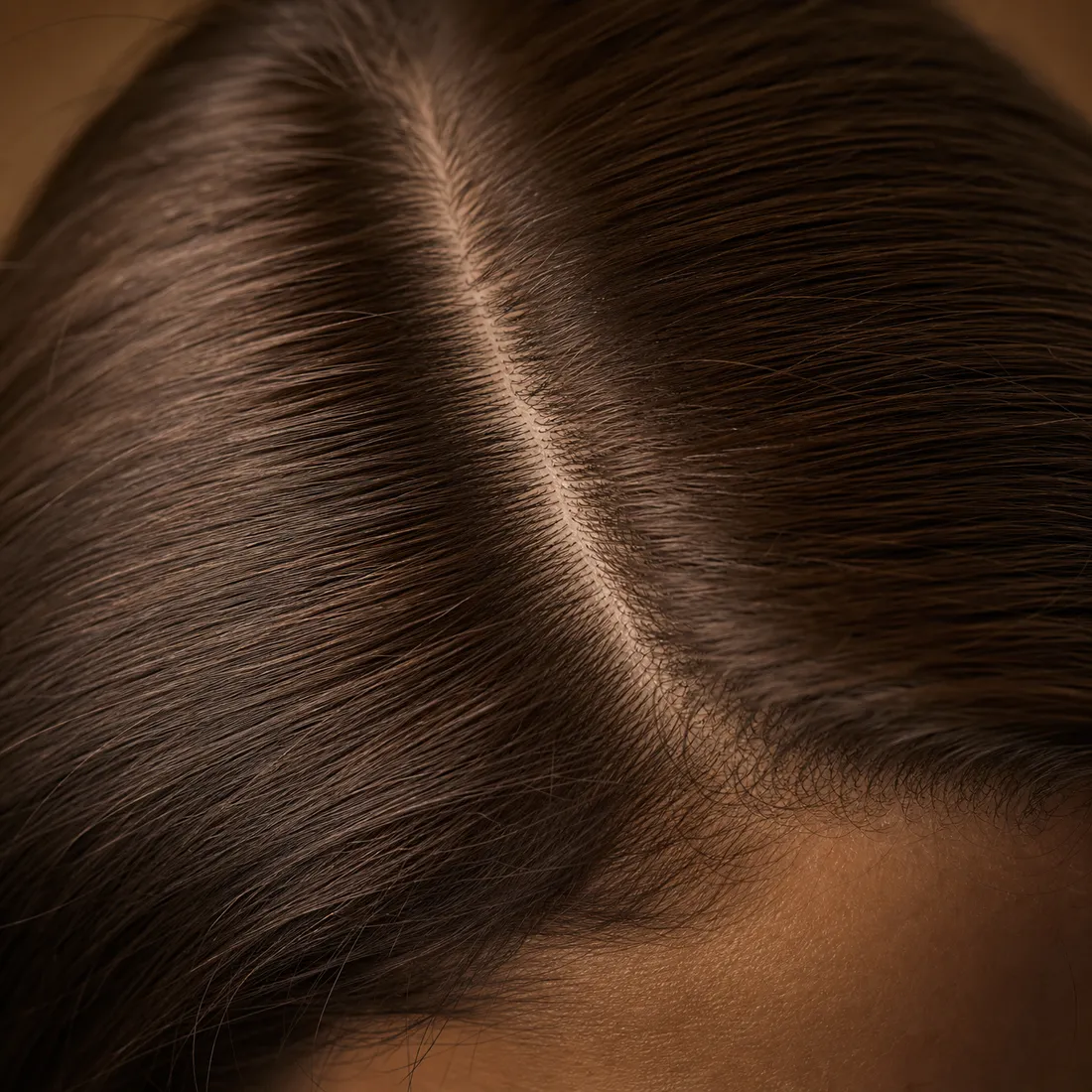
When you look at yourself daily, you do not see gradual change. It is like watching a child grow: the transformation escapes you precisely because you are there every day.
At the start: standardized shots of every area, same lighting, several angles, front, profile and crown.
At 3, 6 and 12 months: exactly the same conditions, for a comparison that actually means something, with a density measure if needed.
What it gives you: objective proof of progress, a real marker during the wait, and enough information to adjust the protocol if the response is not there.
Photos often reveal improvements the person had not noticed themselves.
Every morning at the mirror, you look for a change that is still a few weeks away. You have invested time, hope and money: that impatience is completely normal.
Tend the ground: gentle shampoos, a scalp massage, a protein-rich diet, water.
Document it: take your own photos every month, in the same conditions. It is the best cure for the feeling that nothing is happening.
Your profile: being younger, having recent or moderate loss, being in good general health.
Your habits: a nutrient-rich diet, 7 to 8 hours of sleep, managed stress, physical activity.
Drink water, correct deficiencies if bloodwork shows them, protect the scalp from the sun, avoid aggressive chemical treatments, and above all keep the session schedule. That is the number one factor, ahead of everything else.
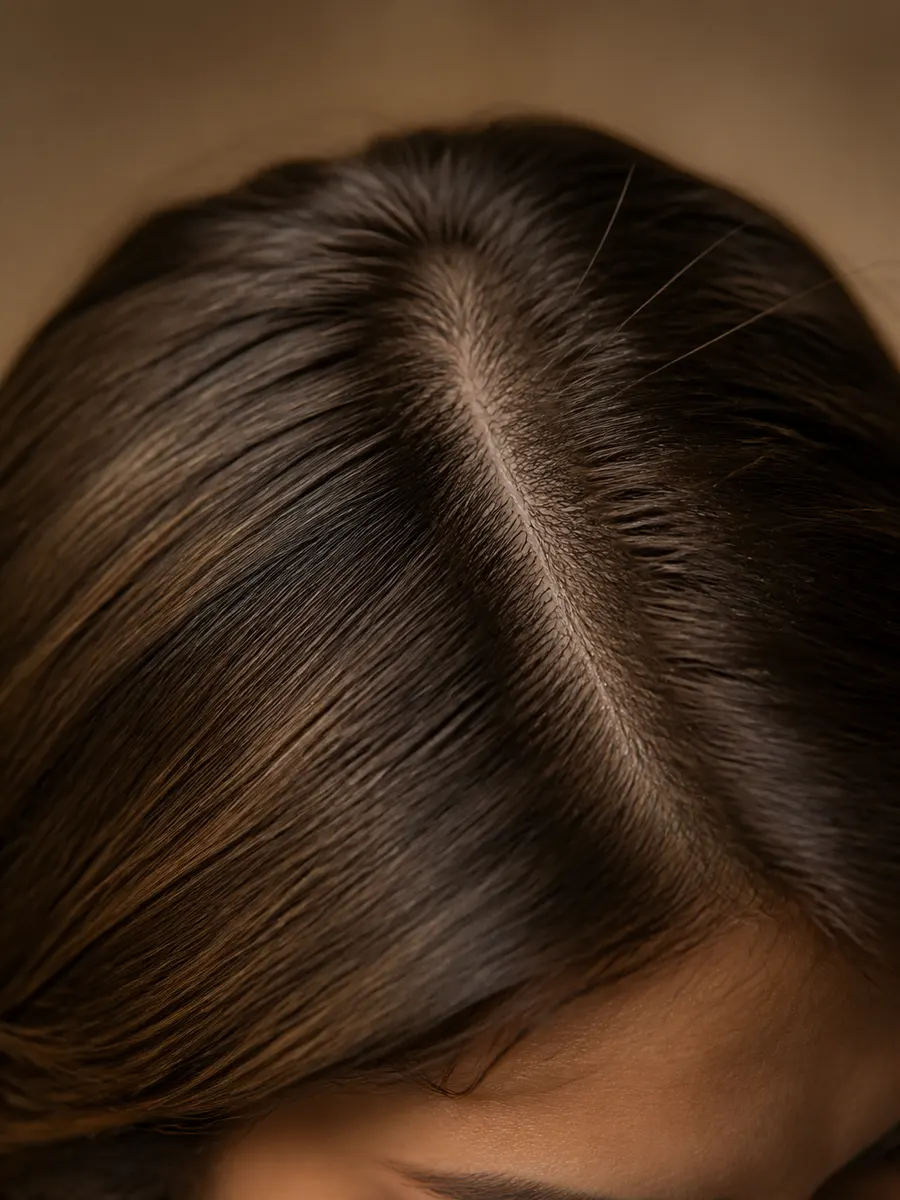
In that case, we will not let you keep paying for nothing.
A reassessment at 4 months. We look at the quality of your PRP, your individual response, the lifestyle factors that might be limiting it, and whether the protocol needs adjusting.
What we can propose next:
And if nothing can work in your case, we will tell you rather than sell you one more session.
The result is natural. There is no break between before and after: the regrowth blends into what you already have, and nobody guesses there was a treatment.
It holds. Once obtained, the gain lasts 12 to 18 months, and one maintenance session a year keeps it.
And it is not only regrowth: the scalp is healthier, the hair holds up better, shines more and styles more easily.
Patience here is not passive waiting: it is the time a follicle takes to restart. Nothing speeds it up, and anyone promising you something visible in three weeks is selling something else.
What matters is knowing when to look, and what to look for. Now you do.
To place your case, start with our hair page.
Combining PRP and exosomes in one hair protocol: what exosomes add, and our programs that bring both together.

PRP for hair reinjects your platelets’ growth factors to wake follicles that are still alive. Here is how it works, step by step.

The evidence on hair PRP is decent but variable. We explain honestly who it works on, and who it does not.
The best plan starts with an assessment. We look at your skin and answer your questions, no obligation.

Hi, I am Stella. Ask me about a treatment, a price or the clinic, and I will point you to the right place.
Stella answers from the site. She does not diagnose and does not book. The conversation stays 24 hours on this device, and the clinic keeps a copy.