HIFU or Radiofrequency: What Actually Changes for Your Skin
Two ways of heating skin to firm it, two sensations and two depths. What each one targets, and how to tell which is meant for you.
 ZuhalMedical esthetician
Which treatment suits me? Which technology is best? Is this right for my age? You have already asked yourself these. The guide answers them, decade by decade, with the price of every treatment so you can compare before you pay.
The guide gives you the map. The articles below go into the detail, one subject at a time.


Hi, I am Stella. Ask me about a treatment, a price or the clinic, and I will point you to the right place.
Stella answers from the site. She does not diagnose and does not book. The conversation stays 24 hours on this device, and the clinic keeps a copy.
32 articles
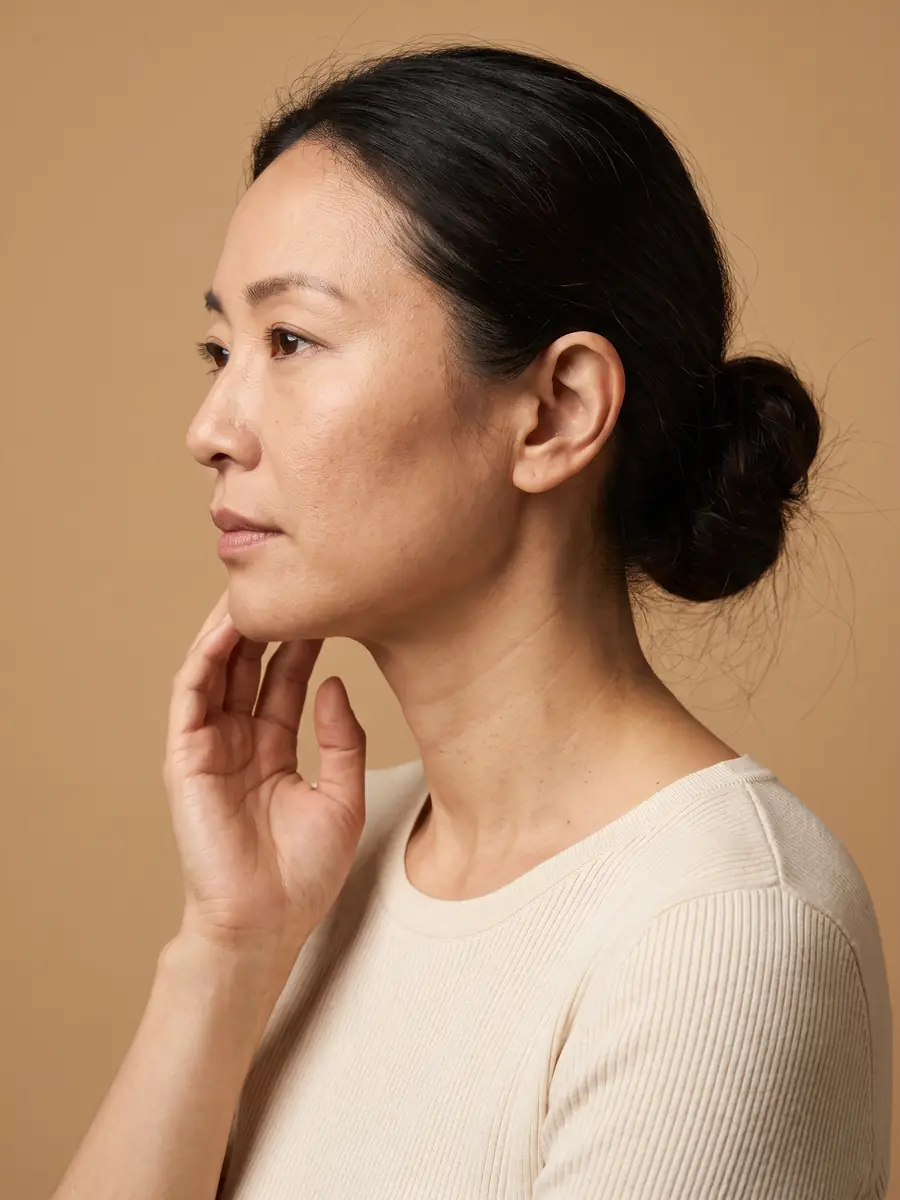
Two ways of heating skin to firm it, two sensations and two depths. What each one targets, and how to tell which is meant for you.
ZuhalMedical esthetician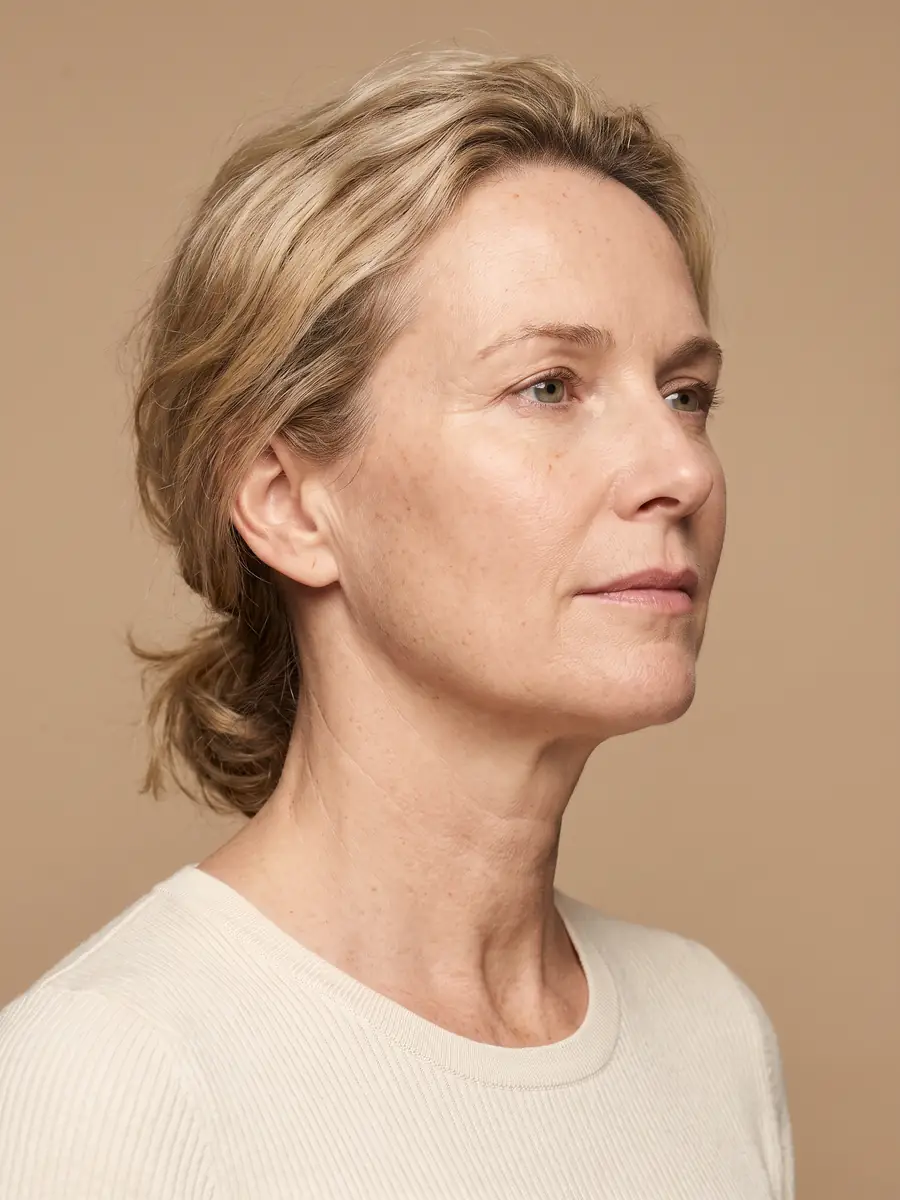
What radiofrequency can firm, what it will never lift, and the signs that say a surgical facelift is still the better answer for you.
 TugceMedical esthetician
What science actually documents after years of neuromodulator, the myths to set aside, and Health Canada’s safety benchmarks.
 Sarah-Donia CherifClinical nurse
What really drives the price of a filler, our starting rates, and why the cheapest often costs more.
 Megan Lefebvre-MonetteNurse injector
Under the eye, it all depends on the type of line. A mirror test is often enough to see which of the two treatments is yours.
Megan Lefebvre-MonetteNurse injector
What the neuromodulator can and can’t do, its true safety margin, and how to get a natural result instead of a frozen face.
Sarah-Donia CherifClinical nurse
Two injectables, two different jobs. The neuromodulator relaxes movement, filler restores volume. How we choose with you, without selling you both by reflex.
Megan Lefebvre-MonetteNurse injector
How radiofrequency tightens skin and restarts collagen, who it is really for, and where surgery stays the better answer.
ZuhalMedical esthetician
How a neuromodulator works, the difference between Botox and Dysport, the right time to start, and why looking natural is a question of dosing.
Megan Lefebvre-MonetteNurse injector
Combining PRP and exosomes in one hair protocol: what exosomes add, and our programs that bring both together.
 Rosalie ThibodeauLicensed practical nurse
PRP for hair reinjects your platelets’ growth factors to wake follicles that are still alive. Here is how it works, step by step.
Rosalie ThibodeauLicensed practical nurse
The evidence on hair PRP is decent but variable. We explain honestly who it works on, and who it does not.
Rosalie ThibodeauLicensed practical nurse
Two approaches to support hair density. What really sets them apart, what the science says, and how we choose based on your profile.
Rosalie ThibodeauLicensed practical nurse
Hair PRP works best on recent or moderate loss with follicles still alive. Here is how to tell if that is you.
Rosalie ThibodeauLicensed practical nurse
What a hair PRP session at Clinique DC actually looks like: before, during, after, in 30 to 45 minutes.
Rosalie ThibodeauLicensed practical nurse
The truth about hair PRP discomfort: real sensations, comfort options and what to expect at Clinique DC.
Rosalie ThibodeauLicensed practical nurse
The contraindications to hair PRP, what we check at your assessment, and alternatives like exosomes, at Clinique DC.
Rosalie ThibodeauLicensed practical nurse
Plan for 3 to 4 close sessions to kick-start regrowth, then about one maintenance session a year. Here is why hair needs consistency.
Rosalie ThibodeauLicensed practical nurse
The gain holds 12 to 18 months on its own, then fades. One maintenance session a year keeps it. Here is why, plainly told.
Rosalie ThibodeauLicensed practical nurse
The price of hair PRP at Clinique DC, what makes the bill vary elsewhere, and our programs. Taxes extra.
Rosalie ThibodeauLicensed practical nurse
Rule out a treatable cause like low iron, then tend to your terrain around the sessions: here is what maximizes your PRP results.
Rosalie ThibodeauLicensed practical nurse
Shedding slows by 4 to 8 weeks, first regrowth around 3 months, peak density between 6 and 12 months. The realistic timeline, no false hope.
Rosalie ThibodeauLicensed practical nurse
Exosomes are tiny cellular messengers. Here is a plain-language look at how they speak to your follicles, with no promises attached.
Rosalie ThibodeauLicensed practical nurse
An honest look at how well exosomes work: what early data shows, and what it does not show yet.
Rosalie ThibodeauLicensed practical nurse
Safety and sourcing of exosomes: what we check, the mild expected effects, and our candor about a still-recent approach.
Rosalie ThibodeauLicensed practical nurse
No, most people tolerate it well. What you actually feel, and why there’s no blood draw involved.
Rosalie ThibodeauLicensed practical nurse
First signs around 3 to 4 weeks, real regrowth near 3 months, full effect over 6 to 12 months. An honest timeline.
Rosalie ThibodeauLicensed practical nurse
What we see in clinic: hair exosome gains hold for roughly a year, then fade gently without maintenance.
Rosalie ThibodeauLicensed practical nurse
The DC protocol for hair exosomes: a starter series of 4 sessions, then maintenance, and why consistency changes everything.
Rosalie ThibodeauLicensed practical nurse
Yes, pairing exosomes, PRP and the LaseMD Ultra laser can revive density. Here is what each tool brings and how we build the right mix for you.
Rosalie ThibodeauLicensed practical nurse
How the laser targets hair, who it truly works on, and what to expect session after session. No inflated promises.
 SelenaMedical esthetician
We’re in Sainte-Rose, Laval, right next to Montreal. Dual-wavelength laser for every phototype and an Unlimited Zones plan. What sets us apart.
SelenaMedical esthetician